Basketry
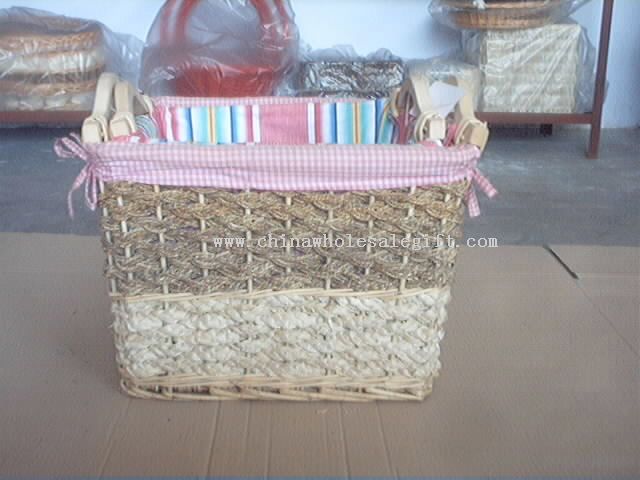
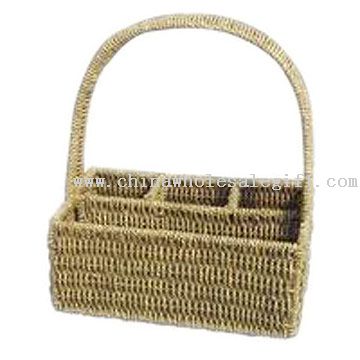
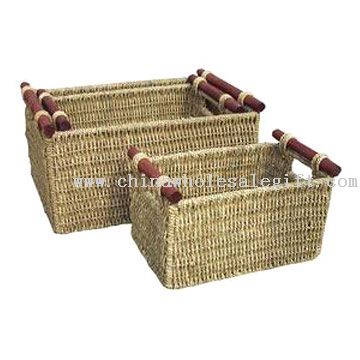
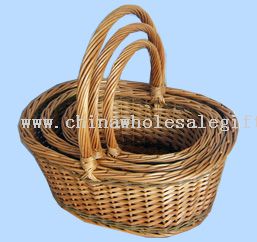
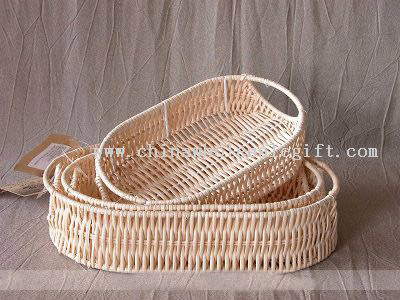
A woven rattan basket sits on a linen runner, holding folded towels and a small potted fern. Basketry covers this kind of handmade vessel and the wider family of woven artworks: shallow trays, lidded containers, wall pieces, and sculptural forms worked from natural fibers. Each piece is shaped by hand, so the weave, rim finish, and overall proportion vary from one unit to the next.
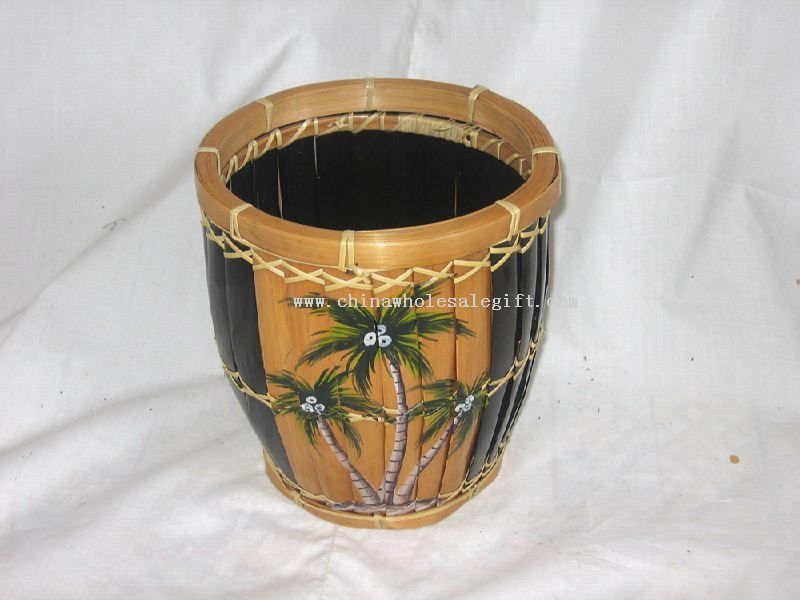
Construction follows traditional methods. Makers split, soak, and bend cane, reed, seagrass, or bamboo, then build the form through plaiting, coiling, or twining before trimming and binding the edge. Surface treatments range from bare natural tones to stained and painted finishes. Buyers should check weave tightness, rim binding, and moisture content, since loose strands or damp fiber shorten the useful life of a piece.
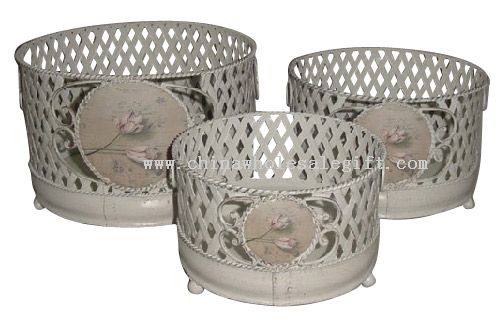
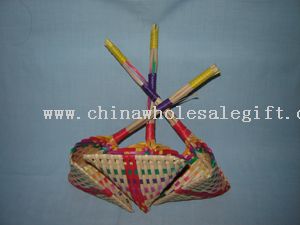
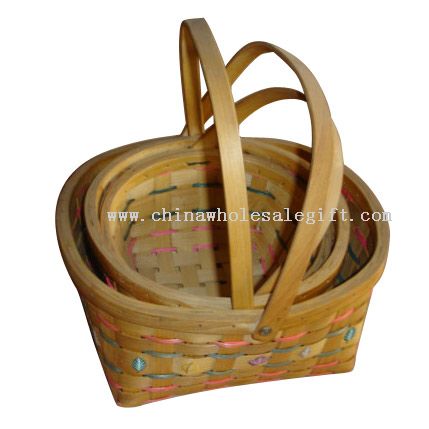
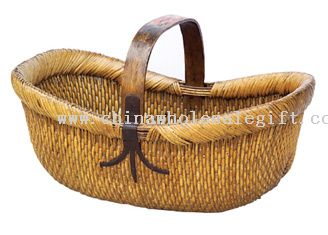
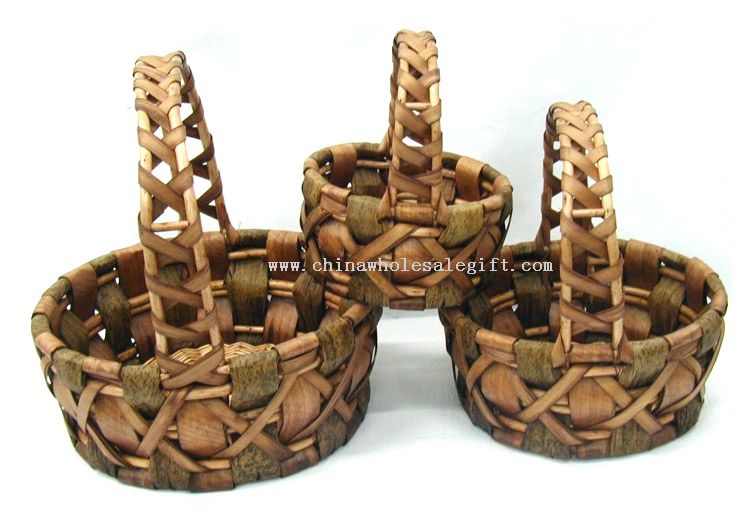
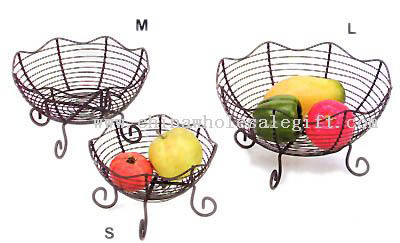
Mid-range pricing reflects the labor behind handwork and the durability of good material. Promotional suppliers favor small baskets and gift basket shells for corporate sets, while importers stock larger floor and storage pieces. Event planners order wedding basket styles for favors and table displays, and retailers mix in a rattan basket or metal basket frame to broaden the shelf beyond natural fiber alone.
End users treat basketry as everyday storage and as decor. A shopping basket moves from market to kitchen counter, a lidded container tidies shelves, and a sculptural piece anchors a hallway console. Shoppers respond to visible handwork, consistent color across a set, and the sense that the object will hold up to regular handling rather than sit untouched.
Wholesale buyers should inspect a sample for strand uniformity, dye lot consistency, and structural rigidity under load. Confirm fiber type and finish, ask how pieces are packed to prevent crushing, and compare unit weights across sizes. Ordering a mixed assortment spreads risk across price points while keeping the natural texture that gives the category its pull.
69 products · page 1 of 5
Featured Products
Popular Products