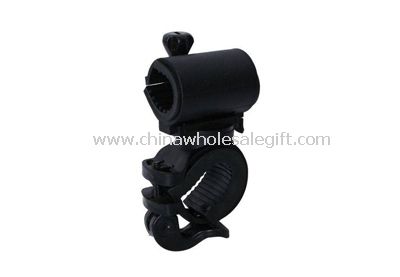
Bicycle Bracket
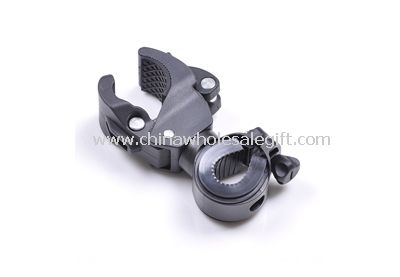
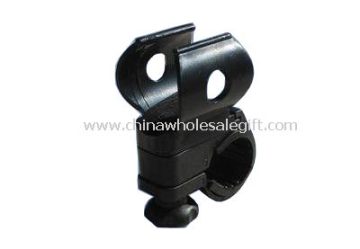
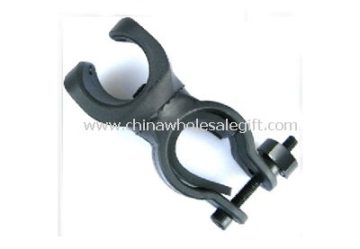
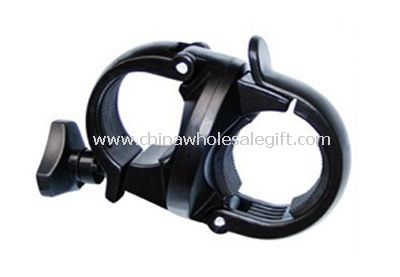
A bent steel clamp and a rubber shim are small parts, yet they decide whether a light, speedometer, or bottle cage stays put on a rough commute. This shelf gathers the mounting pieces riders reach for when a frame has no spare bolt holes, covering five bracket variants that adapt bars, stems, and seat posts to the accessories sold beside them.
Each bracket is built around a clamping body, usually molded ABS or formed alloy, paired with straps or bolts that grip without crushing thin tubing. The all-powerful bracket style adjusts across several diameters, while fixed versions favor one handlebar size. Shims protect painted finishes, and metal hardware resists the vibration that loosens cheap plastic over a season.
Promotional suppliers and distributors buy these in mixed assortments because they pair naturally with bicycle lights and cycle computers on the same order. Shops stock them as add-on pieces for customers who already own a lamp but lack a mount. End users are commuters, weekend riders, and delivery cyclists who switch accessories between bikes and want a spare fitment on hand.
Buyers checking a sample should confirm clamp travel against common handlebar and seat post diameters, test the bolt threads for smooth engagement, and flex the body to judge whether the plastic whitens under load. Look at how the strap or band seats in its slot, whether the shim stays captive, and if the mounting face accepts standard light and speedometer bases without wobble.
Weight and profile matter too: a low bracket keeps a head lamp clear of cables, and a compact tail light mount leaves room for a saddle bag. Ask suppliers for the range of tube sizes each model grips, request mixed color options for retail display, and compare packing so small parts arrive sorted rather than loose in a carton.
5 products