Body Board
Body boards sit at the tide line, where the sand is still wet and the shore break rolls in shallow and fast. This shelf gathers four ride-on boards built for that zone, not the long rails and pointed noses of a surf board. They favor soft decks, rounded outlines, and enough buoyancy to catch a wave on the belly or knees.
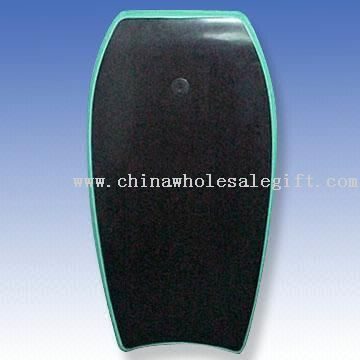
The construction splits along foam and skin. The EPS Body Board uses a molded expanded polystyrene core that keeps the deck light and stiff, while the EVA Body Board pairs that core with a textured ethylene-vinyl acetate surface for grip and a softer landing on the chest and hips. Riders notice the difference in the pop off the lip and the comfort during a long session.
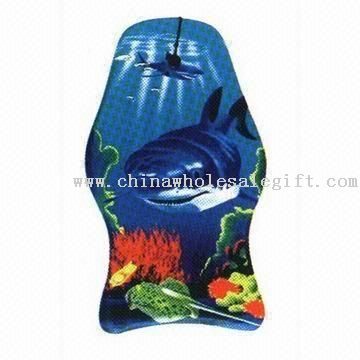
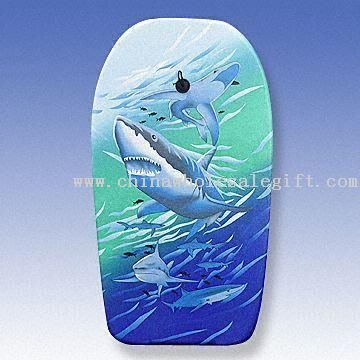
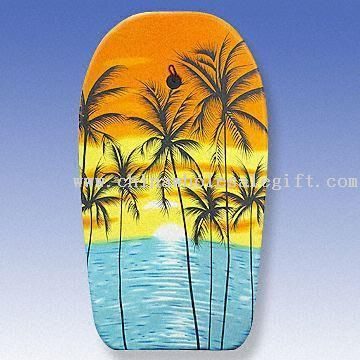
Shape and graphics do the rest of the selling. The Beach Bodyboard leans on bright, sand-and-sun colors that photograph well on a rack or in a resort shop, and the Ocean-Themed EPS Body Board carries wave and coastal artwork suited to coastal kiosks and travel retail. Wholesale buyers should check deck traction, rail finish, and leash plug placement across the range.
These boards suit rental counters, hotel beach clubs, surf schools running entry lessons, and promotional suppliers building summer gift programs. End users are beginners, casual vacationers, and kids trying a first ride in the shallows. Distributors often pair them with a skim board on the same display, since both serve the same shore-bound crowd with a different style of riding.
Practical sourcing checks start with the core density and skin thickness, which determine flex and how long the board holds its shape. Confirm the printed graphics sit under a durable layer rather than on top, and inspect edge seams for clean bonding. Sizing across the four models should run from smaller youth decks to adult lengths, so buyers can stock a coherent mid-range range.
4 products