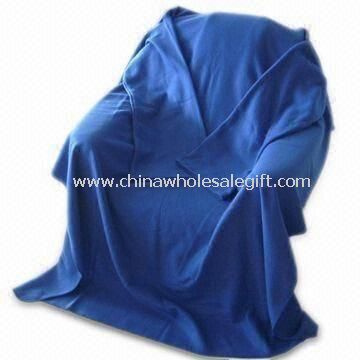
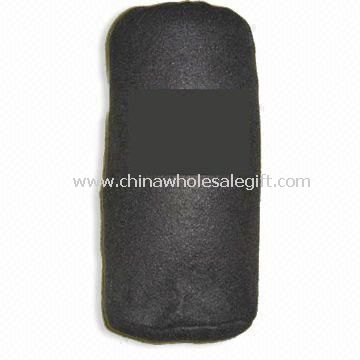
Brushed Blanket
Brushed blankets sit at the soft end of the clothing and home textile aisle, where a raised nap turns a simple woven or knit base into a surface that feels warm against the skin. The brushing process lifts fine fibers across one or both faces, giving the fabric a velvety hand and a slightly duller color that reads as cozy rather than crisp.
Construction begins with a base cloth, often a polyester or acrylic blend, that is passed over wire brushes to tease out the fibers. Makers can brush a single side for a smoother reverse or both sides for maximum loft. The result drapes loosely, traps air well, and suits decorative throws as readily as it suits a fleece blanket used on a sofa or a travel blanket folded into a carry bag.
For wholesale buyers, the family covers a mid range price band, so sourcing checks should focus on fabric weight, nap density, and how the brushed face holds up after repeated laundering. Request a hand sample to judge softness, confirm whether edges are bound, whip-stitched, or simply overlocked, and review color consistency across dye lots. Two direct products anchor the range, kept intentionally tight.
End users meet these blankets in everyday settings: a picnic blanket spread on grass, a hospital blanket folded at the foot of a bed, a baby blanket tucked into a stroller, or a home blanket layered over a duvet in cool months. The brushed surface resists the chill of a plain weave and feels gentler than a standard wool blanket against bare skin.
Promotional suppliers and distributors can position brushed styles alongside electric blanket and hotel blanket lines, using the softer hand to differentiate. Buyers should verify fiber content labels, shrinkage after washing, and packaging suited to retail or gifting. Because the nap can flatten in transit, confirm how items are folded and protected before committing to a seasonal program.
2 products