Calendar Clock
The calendar clock category covers the simplest marriage of date and time: one desktop or wall unit that shows both without asking the owner to configure anything elaborate. For importers and promotional distributors, it is a dependable, high-turnover desk line whose appeal does not depend on fashion cycles.
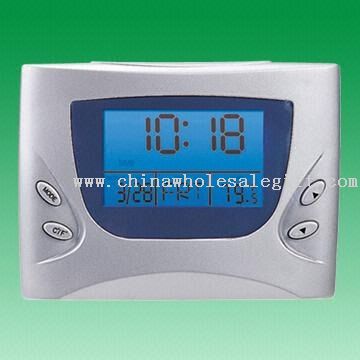
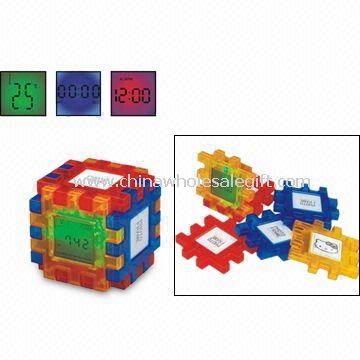
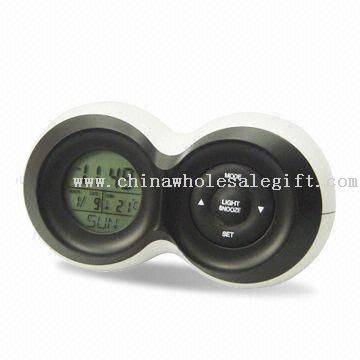
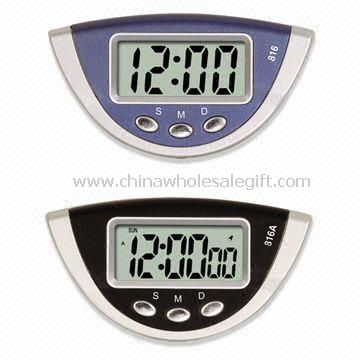
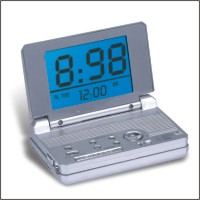
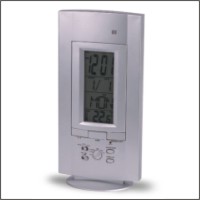
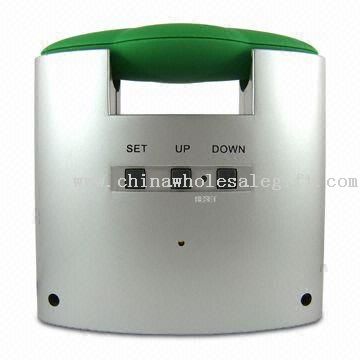
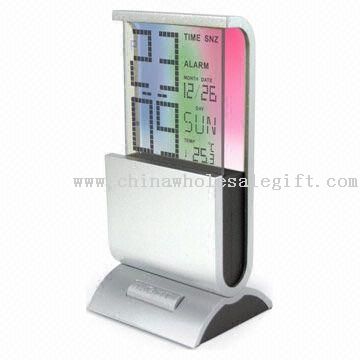
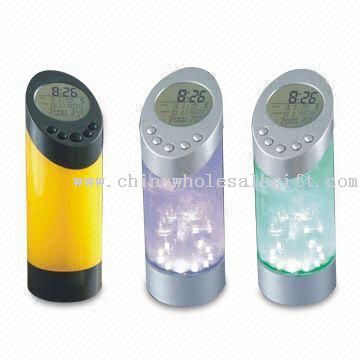
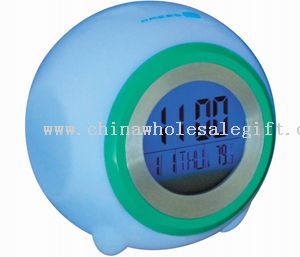
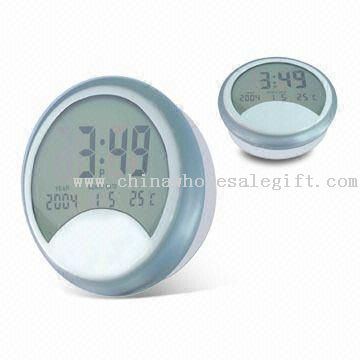
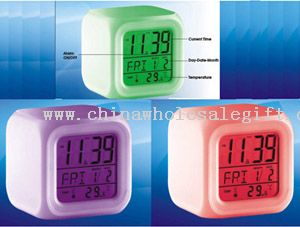
The assortment runs from plain perpetual-calendar desk pieces to LCD versions with alarm functions, backlit displays, temperature readouts, and built-in timers. Traveling models fold or clasp for luggage, while bathroom variants resist steam and mount with suction or adhesive. A few units add soft color lighting, nudging the product from utility toward novelty.
Plastic dominates this price class, with acrylic-faced displays and matte or high-gloss cabinets depending on the setting. Traveling versions favor slim profiles and shock-absorbing shells, and bathroom models rely on sealed buttons and gasketed seams. Print quality on the date dial matters most, since buyers judge legibility at arm's length.
Typical placements are office desks, reception counters, hotel nightstands, dormitory shelves, and family kitchens. The alarm-and-timer combination suits bedroom and bathroom use, and temperature display adds everyday usefulness that keeps the item on the desk rather than in a drawer. Corporate buyers hand these out at year-end and at trade-fair booths.
Branding is straightforward: pad-printed logos on the cabinet face, full-color printed inserts behind clear dials, or molded colorways matched to a client palette. ODM requests often adjust button layout, the language of the weekday display, or alarm tone, all low-cost tooling changes.
Light weight and mid-range pricing make the category economical to ship and easy to combine with other desk electronics in a mixed order. Standard packing is a white or printed inner box inside an export carton, with hanging versions blistered for pegboard retail.
Against siblings such as weather station calendar, multifunction calendar, and lcd calendar, the deciding factor is feature depth. Buyers who want sensing and stacking should move up a level; those who want a clean date-and-time desk piece at volume will find the depth of choice here.
12 products