Camo tent
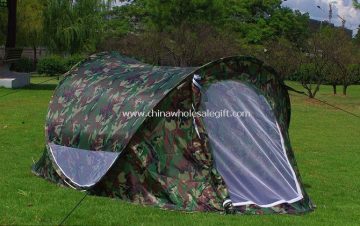
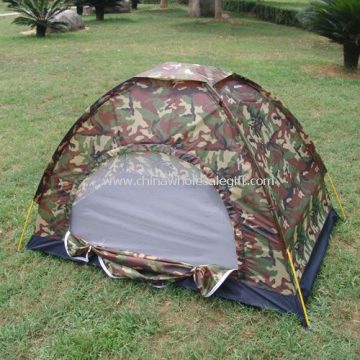
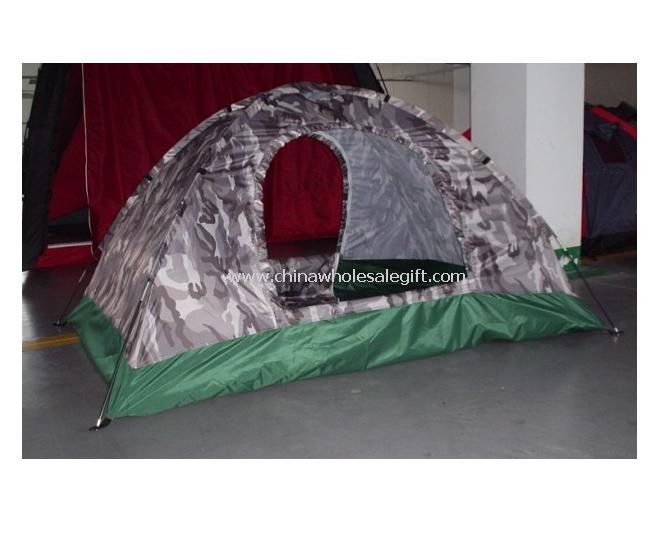
A camo tent blends into the treeline at dawn, when the forest is still gray and the first light has not yet reached the clearing. This shelf gathers four camouflage shelters built for hunters, anglers, weekend scouts, and anyone who prefers a low-profile pitch. The patterns range from classic woodland to digital camo, so a buyer can match a program to regional terrain rather than settle for a single look.
Construction favors practical camping details: coated polyester flysheets that shed rain, taped or sealed seams, mesh vents for airflow, and shock-corded aluminum or fiberglass poles. Doors typically include a full panel plus a mesh layer for warm nights. Each camouflage camping tent in the group packs into a carry bag with stakes and guy lines, keeping setup simple for users who arrive after dark.
Wholesale buyers should read the shelf as a compact, focused assortment. Promotional suppliers can pair a camouflage family camping tent with branded coolers and lanterns for outdoor-themed campaigns, while importers stock the smaller models for retail shelves and rental outfits. Ask suppliers about packed size, pole diameter, and fabric weight before committing to a volume order.
End users care about weather protection and floor space. A camo tent suits deer season base camps, lake weekends, and festival trips where a subdued color is welcome. Shoppers should confirm capacity ratings against real sleeping pads and gear, check that the rainfly covers the door, and test the stakes in loose soil before trusting a forecast.
For sourcing, request fabric swatches to judge how the camouflage print reads in daylight and shade, since patterns vary between production runs. Confirm pole replacements are available and that stuff sacks include a repair kit. Compare this shelf against a dome camping tent or pop up camping tent when buyers need faster pitch times or broader color choices.
4 products