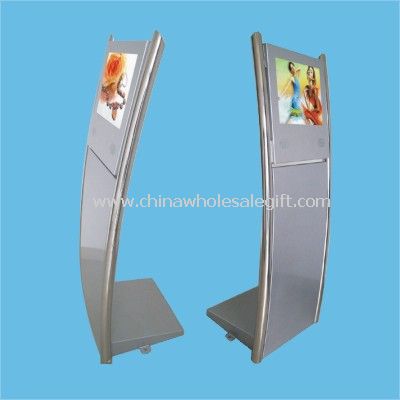
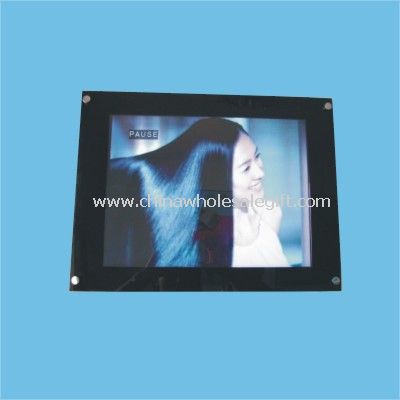
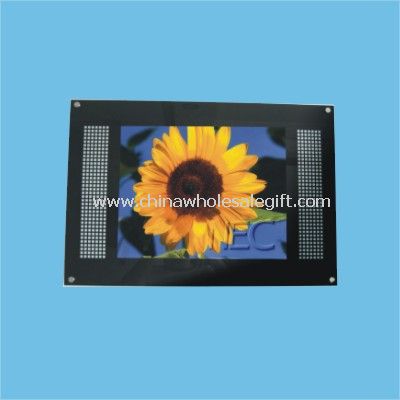
Card Advertising Player
Memory cards carry the content in Card advertising player, the standalone branch of the advertising player family. Listings in this grouping read from removable storage, the compact-flash and secure-digital formats common in commercial signage, so playlists move from an office computer to a lobby screen without any infrastructure beyond the card itself.
That distribution model defines the customer base. Single-location venues, franchisees without central IT, exhibitors who ship content together with the hardware, and installers who service several sites on a weekly route all benefit from a workflow where updating a screen means swapping a card. The absence of network dependence also removes connectivity costs and configuration work from the quote.
The assortment skews toward mid-size TFT panels, the workhorse format for point-of-sale counters, restaurant menu rails, clinic waiting areas, and small retail windows. Buyers will notice similar panels in the general digital signage grouping; the difference is the feed method, not the picture.
Simplicity is the category's strength and its limit. Hardware is inexpensive, failure modes are few, and staff can be trained in minutes, but multi-location rollouts quickly become labor-heavy, which is why buyers with chain clients usually steer those projects toward the network-player categories and reserve card players for standalone sites.
Evaluation should cover card-slot durability, supported file formats, and whether playback resumes automatically after power interruptions, a small detail that separates professional units from repurposed consumer gadgets. Vibration and heat tolerance matter in enclosed mounts.
Customization runs to splash artwork, enclosure finishes, and pre-loaded content cards, and units leave the factory in padded cartons that consolidate neatly onto mixed pallets. Offering a content-loading service turns the card into a recurring revenue line for distributors.
3 products