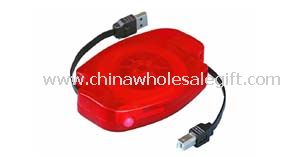
Category 6 Cables
Category cables run through the walls and racks of nearly every office network, carrying voice and data between patch panels, switches, and workstations. This entry gathers twisted-pair cabling built to a specific performance class, the kind of structured wiring that keeps a building's cabling plan consistent from floor to floor. Buyers sourcing for installation projects treat it as the backbone stock that everything else connects to.
Construction favors solid copper conductors for longer permanent runs inside walls and ceilings, while stranded versions suit shorter patch cords that flex. Foil or braid shielding appears on some builds to curb interference in electrically busy spaces. Jackets come in several colors so installers can code zones or services at a glance. Each reel or box should be labeled with its performance rating, conductor gauge, and length so crews can match stock to the wiring schedule without guesswork.
Promotional suppliers and electrical distributors stock this cabling because it sells alongside connector cables, patch panels, and faceplates in the same order. Contractors and IT departments are the everyday users, pulling runs during fit-outs and repairs. Keep a modest inventory of common jacket colors and lengths; the low-to-mid range price band makes it an easy add-on that rounds out a network accessories catalog without tying up much capital.
Related lines help buyers build a complete network package. Category e cables serve projects that specify an enhanced performance tier, while fiber optic cables cover backbone links over greater distances. Simple connector cables handle short equipment hookups, and patch cords finish the run at the desk. Offering several tiers together lets a buyer serve both budget-conscious fit-outs and higher-specification installations from one supplier relationship.
Before ordering, confirm the performance class printed on the cable and check that the conductor type matches the intended use, solid for permanent runs and stranded for flexible cords. Ask how lengths are measured and whether the jacket material suits the installation environment. Inspect a sample for consistent twist and clean stripping. Distributors should verify that labeling, color options, and reel packaging align with what their contractor customers expect on site.
1 products