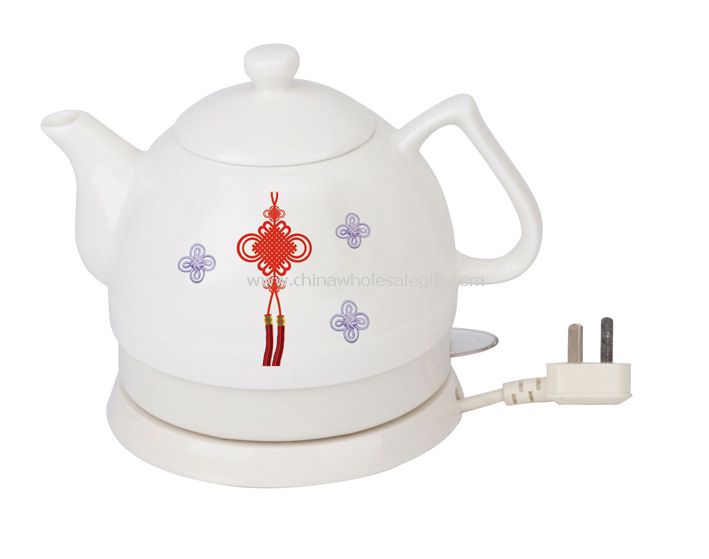
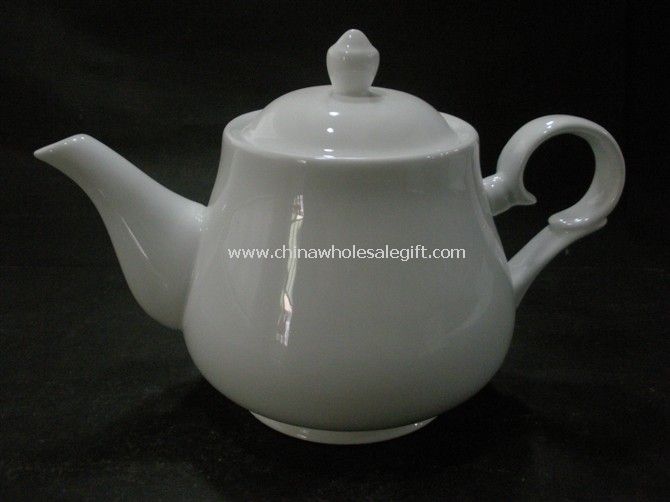
Ceramic water bottle
A ceramic water bottle sits on a desk or in a tote with a weight and cool touch that glass and metal cannot match. This shelf carries two items, and both belong to the same family of glazed, reusable drinking vessels. Buyers sorting through plastic and stainless steel options often pause here when a client wants something with a handmade, table-ready feel.
Construction favors stoneware or earthenware bodies fired with a food-safe glaze inside and out, usually finished with a silicone or cork-lined cap. The ceramic wall keeps drinks cool and holds temperature longer than thin plastic. Because the material is brittle, most designs add a protective sleeve or a thick rim. A ceramic jug set on the same shelf shows how the category pairs with pouring and serving pieces.
End users reach for these bottles at home offices, studios, and slow mornings where presentation matters. The heft feels deliberate in the hand, and the glaze palette suits gift bundles, wedding favors, and corporate welcome kits. Promotional suppliers like the lasting quality of fired clay, since a logo applied under glaze stays readable through repeated washing.
Wholesale buyers should verify glaze safety documentation, confirm the lid seal and thread pitch, and ask how each unit is packed for transit. Drop testing matters more with ceramic than with silicone or aluminum. Check carton dividers, replacement cap availability, and whether the exterior glaze tolerates commercial dishwashing before committing to a seasonal program.
Merchandising works best when the bottle is shown beside a matching cup or pitcher, encouraging add-on purchases rather than single-unit sales. Display a cutaway or a cross-section photo so shoppers understand the wall thickness, and note capacity in liters and ounces on the shelf card. Importer and distributor accounts will want consistent color across restocks.
2 products