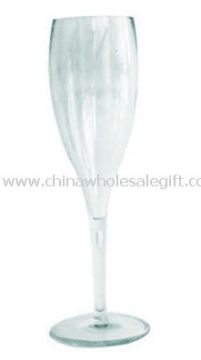
Champagne glass
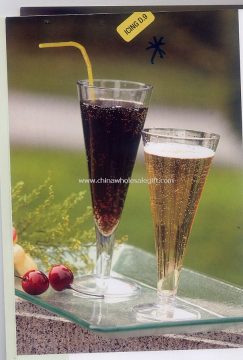
A champagne glass is shaped for the moment the cork releases: a narrow bowl that gathers bubbles, a stem long enough to keep a warm hand away from the liquid, and a rim thin enough to disappear against the lip. This shelf collects five stemmed champagne glasses in the mid range, positioned for buyers who want a celebratory piece without moving into luxury crystal territory.
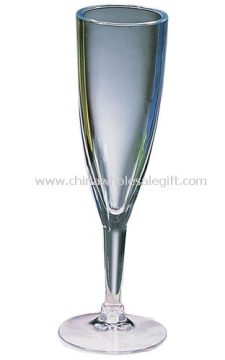
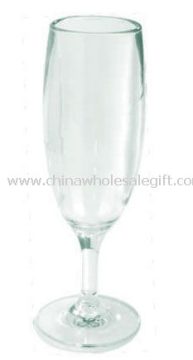
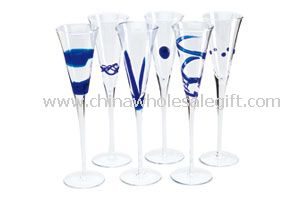
Construction follows the classic flute silhouette, with clear glass walls that let the bead and color of the pour show through. The stem and foot carry the balance, so a filled glass stands steady on a banquet table or a tray of passed canapes. Buyers should check foot diameter for wobble, rim finish for chips, and whether the bowl is genuinely seamless at the join.
These glasses suit corporate anniversaries, hotel turndown gifts, wedding favor programs, and promotional bundles built around a toast. Distributors often pair them with coasters napkins disposables to create a ready-to-set table package, while event suppliers order in volume for galas and award nights. End users are hosts, newlyweds, and guests who take the glass home as a keepsake.
Toasting customs vary, and a flute serves the sparkling pour best, but the same shape works for mimosas, spritzers, and dessert wines. Buyers sourcing for mixed occasions may want a glass that reads as celebration without locking the recipient into one drink. Retailers can cross-merchandise with wine accessories gift sets or bar accessories to catch shoppers assembling a full home bar.
Practical sourcing checks matter more than appearance in a sample photo. Confirm the glass is dishwasher safe if that claim appears on the packaging, ask how the rim is fire-polished, and review packing density to estimate breakage in transit. Request a mixed pallet sample to compare clarity and weight across the range before committing a seasonal program.
5 products