Clip-on magnifier
A clip-on magnifier attaches to the frame of eyeglasses, a cap brim, or a clipboard and swings into place when small print needs a closer look. The format suits anyone who wears glasses daily and would rather keep magnification within reach than carry a separate handheld lens. These pieces sit in the mid range of the shelf, priced above simple cards and below illuminated desk models.
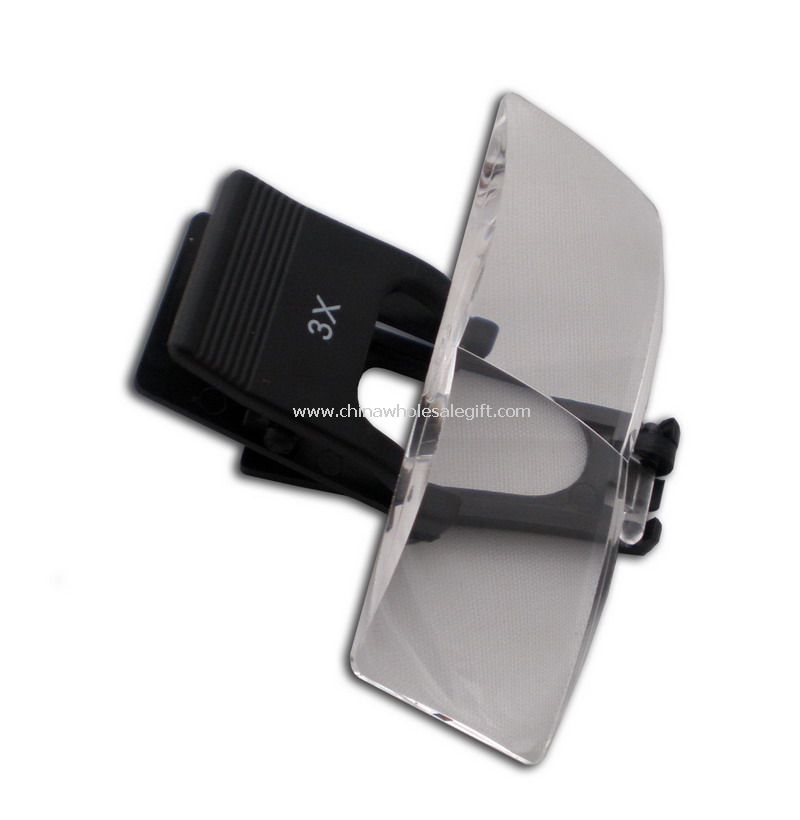
Construction is straightforward: a spring or friction clip, a short arm, and an optical lens in a protective rim. The lens tilts so the wearer can aim it at a label, a parts diagram, or a receipt without removing their spectacles. Buyers should confirm lens material, rim finish, and clip tension, since a loose grip lets the magnifier slide off during use.
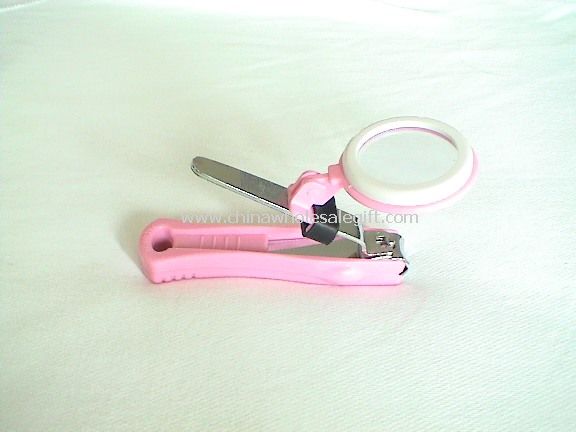
Demand runs through two channels. Promotional distributors favor the format because it decorates well and ships flat in bulk cartons. Hobbyist and craft retailers stock it beside a hobbyhorse clip magnifier and similar novelty pieces, where shoppers treat it as an inexpensive add-on rather than a serious optical tool. Separately, a nail clip with magnifier shows how the same clamping idea crosses into personal care.
The occasion drives the purchase. Readers, model builders, stamp collectors, and jewelry makers use a clip-on magnifier for steady close work while their hands stay free. Warehouse staff and repair technicians clip one to a safety glasses frame for reading tiny serial numbers. Promotional buyers often pair it with lanyards or keychains in event kits, so packability and weight matter as much as the lens itself.
Sourcing checks start with the clip. Ask how the jaw grips thin metal frames versus thick plastic temples, and whether a rubber pad protects the eyewear from scratches. Test the hinge for wobble, inspect the rim for sharp edges, and verify the lens surface is free of bubbles or distortion. Order samples across the color range, review retail packaging, and confirm carton counts before committing to a program.
2 products