Clip strip
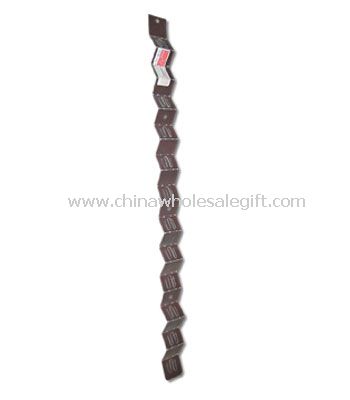
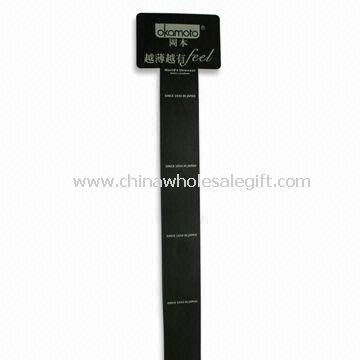
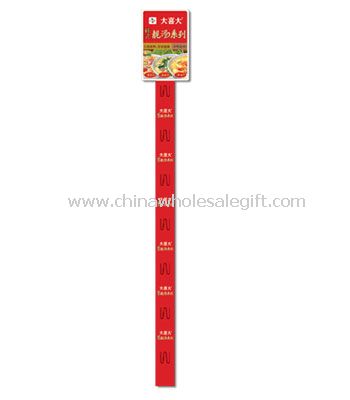
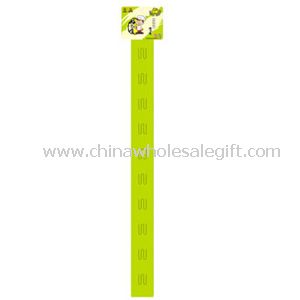
A clip strip turns a plain shelf edge into a vertical selling space, hanging carded goods from a row of spring clips so shoppers see more of the line at eye level. The format suits checkout lanes, aisle ends, and countertops where floor space is tight, and it lets a small assortment travel with a display rather than sit in a bin.
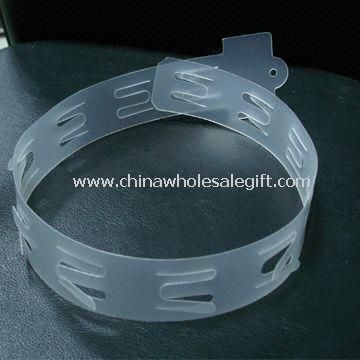
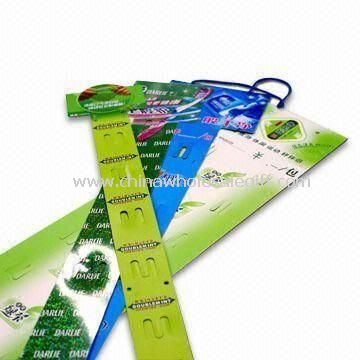
Build quality separates one style from another. A PP version is light and economical, while metal and plastic variants trade weight against stiffness. The UV printing promotional style lets a brand or retailer message ride along the header, and adhesive-backed strips fix to glass, laminate, or painted fixtures without drilling, which matters in leased retail space.
Retail goods and supermarket layouts favor the format because a single strip can carry a coherent grouping: snack packs, accessories, or impulse items arranged in a column. Buyers should confirm the fitting method, the clip spacing, and the strip length against the fixture depth they plan to use. Ad supermarket versions typically lean on header space for campaign artwork.
Distribution moves in two directions. Promotional suppliers and importers place the clip strip in catalogs alongside binder clip and memo clips assortments, ordering in mixed cartons to balance the range. Store owners and merchandisers buy it as a low-commitment display upgrade. End users, from gift shop staff to event organizers, value the way it reseats carded products quickly after a busy day of handling.
Practical checks before committing to a run: verify the adhesive grade for the surface it will touch, test clip tension with the heaviest item planned, and confirm header dimensions allow legible artwork. Ask whether the strip is reusable and how the clips are fastened to the backing. Matching strip color to the fixture or the brand palette keeps the display tidy.
7 products
Featured Products