Closet organizers
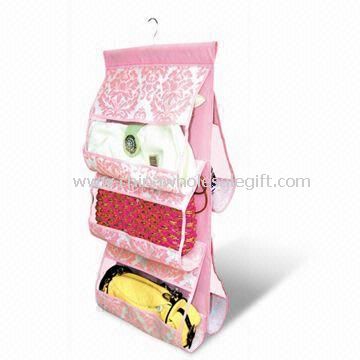
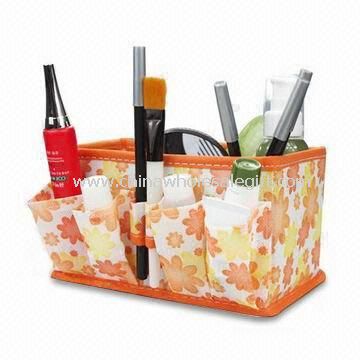
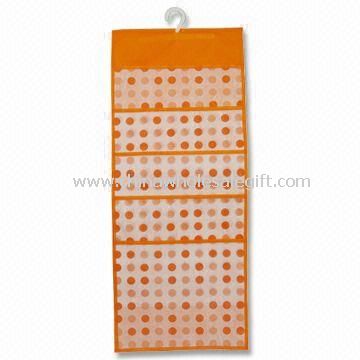
A closet organizer turns a crowded rod and a single shelf into a working system for folded stacks, off-season clothing, and the small items that otherwise drift across the floor. This shelf gathers three mid-range pieces under the office stationery gifts path, each designed to bring order to the wardrobe rather than to the desk. Buyers browsing desk organizers often need the same discipline applied to storage at home.
Construction follows the task. Non-woven fabric bodies keep weight low and fold flat when empty, while rigid panels hold their shape on a shelf through daily loading. Soft-sided bins slide into cubbies, and structured frames support heavier stacks without sagging. Each piece is built for assembly without fuss, so a buyer can move from a jumbled closet to a sorted one.
Wholesale buyers reach for this group as a natural extension of stationery and desk organization ranges, adding a home-storage option that ships alongside notebooks, trays, and pen cups. Promotional suppliers favor the non-woven storage box because it takes print and suits gift-with-purchase programs. Retailers stocking leather organizer lines can place cloth and rigid units at a similar mid-range shelf position without splitting the display.
End users are typically households sorting a bedroom closet, a hallway coat area, or a rental flat with limited built-in shelving. They want containers that fit standard shelf depths, carry handles that survive a full load, and lids or open tops that match how often they reach inside. Students packing for a move and families rotating seasonal clothing are steady users of the format.
Sourcing checks center on stitching at the handle joints, the stiffness of base inserts, and whether fabric panels hold color after repeated folding. Ask for a sample load test on the rigid storage box and confirm the packed dimensions against common shelf heights. Consistency of panel thickness across a production run matters more than surface decoration for repeat orders.
3 products