cooler fan
Two cooling jobs share the cooler fan heading, and both appear in the sample range. One branch chills a machine, the other cools people and rooms, and a buyer should decide early which half of the shelf they intend to serve.
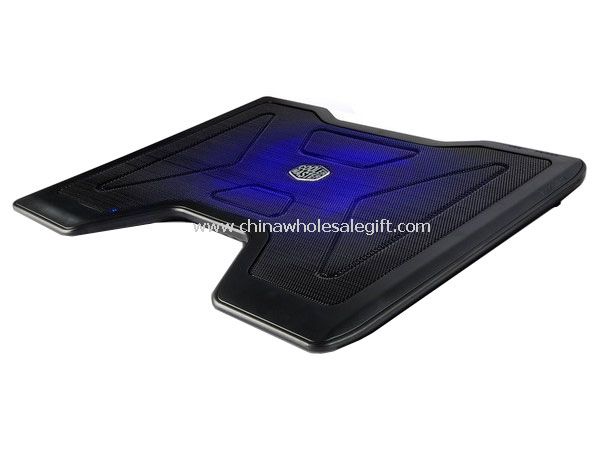
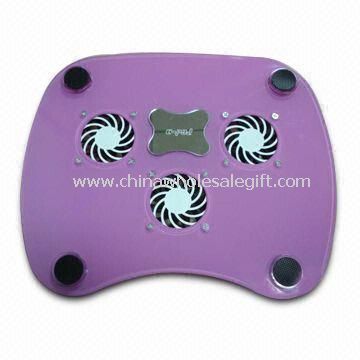
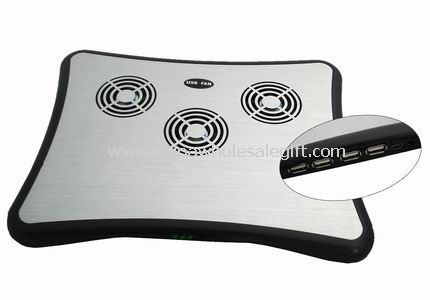
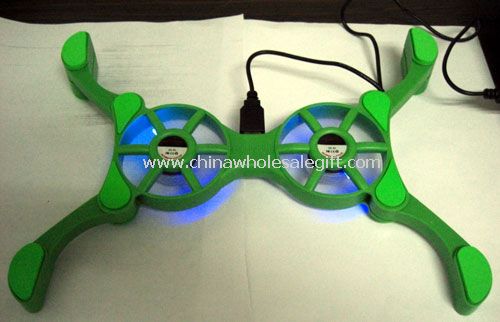
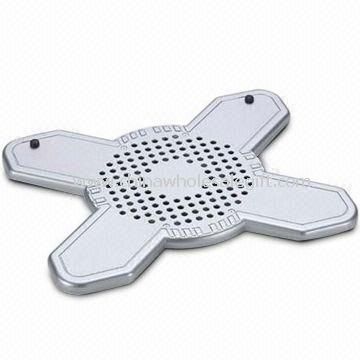
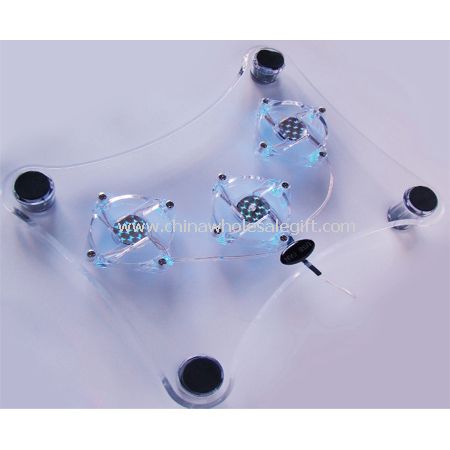
The device-cooling side covers notebook stands and cooling pads built to sit under a laptop. A pad lifts the chassis off the desk, draws air through vents, and pushes it across the base of the machine, which keeps processors from throttling during long sessions. Some versions add small fans, a hub, or an adjustable stand angle, and the better ones use aluminum for the deck so heat spreads away from the electronics.
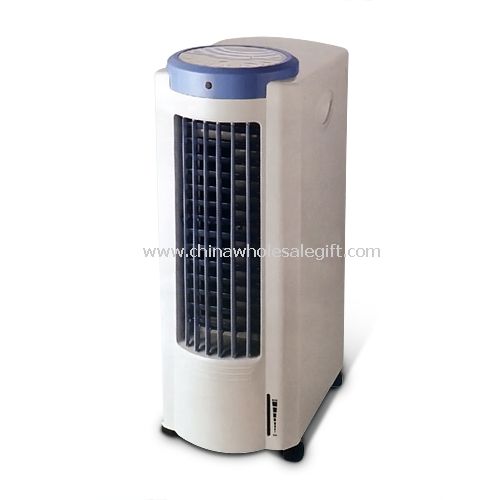
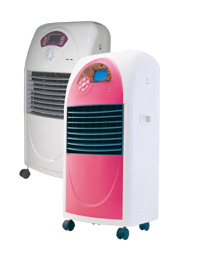
The room side covers air coolers that pair a fan with a moistened pad. Air is pulled across the pad, picks up moisture, and leaves the unit cooler than the surrounding air, which suits a hot dry climate far better than a humid one. Water tank size, pad material, and swing range are the variables that decide how much space one unit can serve.
Buyers include computer accessory wholesalers, office furniture suppliers, appliance importers, and promotional distributors who want a practical summer item. Notebook pads sell steadily through the year, while air coolers concentrate into the warm months, so the two halves balance each other across a calendar.
Sample checks should cover airflow noise at the lowest setting, the stability of the stand under a loaded machine, and the fit of the vents against common chassis shapes. On the room units, look at how easily the pad can be cleaned and how the tank is filled and drained.
Branding options include deck color, printed graphics on the plastic shell, and tailored packaging. Mixed orders that combine both halves let a distributor offer a complete warm-weather program from one source.
9 products