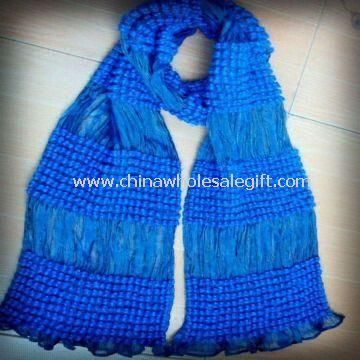
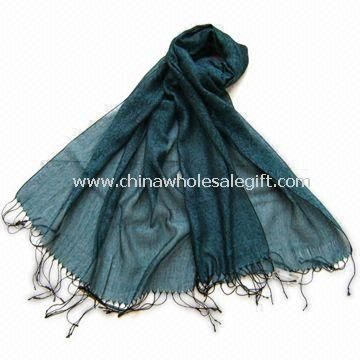
Cotton scarves
Cotton scarves begin with yarn: combed or carded cotton spun into a fine thread, then woven or knitted into a fabric that breathes against the skin. The weave determines the hand feel, from airy gauze and crinkle muslin to denser twill and jersey. Buyers ordering for spring and summer assortments favor lightweight constructions, while cooler months pull toward brushed and interlock weights.
Construction details separate a durable scarf from a disposable one. Look at the selvedge, the finished ends, and whether hems are stitched or hand-rolled. A square scarves format often carries a printed border and a neatly folded edge, while long scarves rely on straight grain lines to hang without twisting. Screen printing, block printing, and plain dyed scarves each demand different fastness checks.
Wholesale buyers should request a swatch card before committing to a run. Check shrinkage after washing, color consistency across dye lots, and the GSM of the fabric against the sample. Promotional suppliers often specify a woven label and a simple poly bag, so confirm trim placement, label wording, and packing method. Inspect stitch density at the hems, since loose finishing is the most common fault in cotton scarves.
End users reach for cotton scarves as a transitional layer: a light wrap over a tee, a head covering on a windy day, or a soft accessory knotted at the neck. The fiber takes dye well, so a fashion scarf in a seasonal color sits comfortably beside silk scarves and hijab scarves on the same rack. Easy laundering and no special care make them a practical everyday choice.
Merchandise the category by weight and format rather than by trend alone. Set gauze and muslin near knitted scarves for texture contrast, and place printed styles next to plain dyed scarves so color stories read clearly. Reorder based on sell-through by size and print, and keep a neutral core alongside the statement designs to balance the assortment across the season.
2 products