Calculator
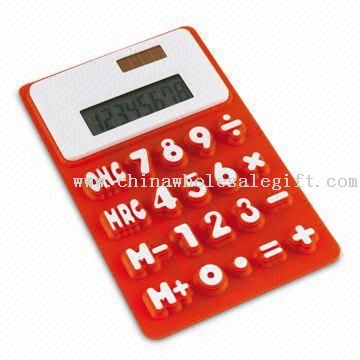
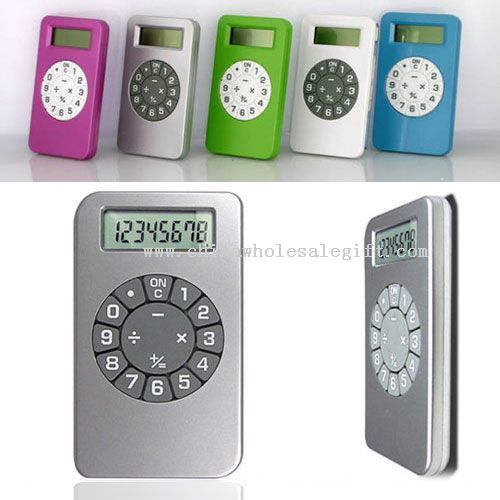
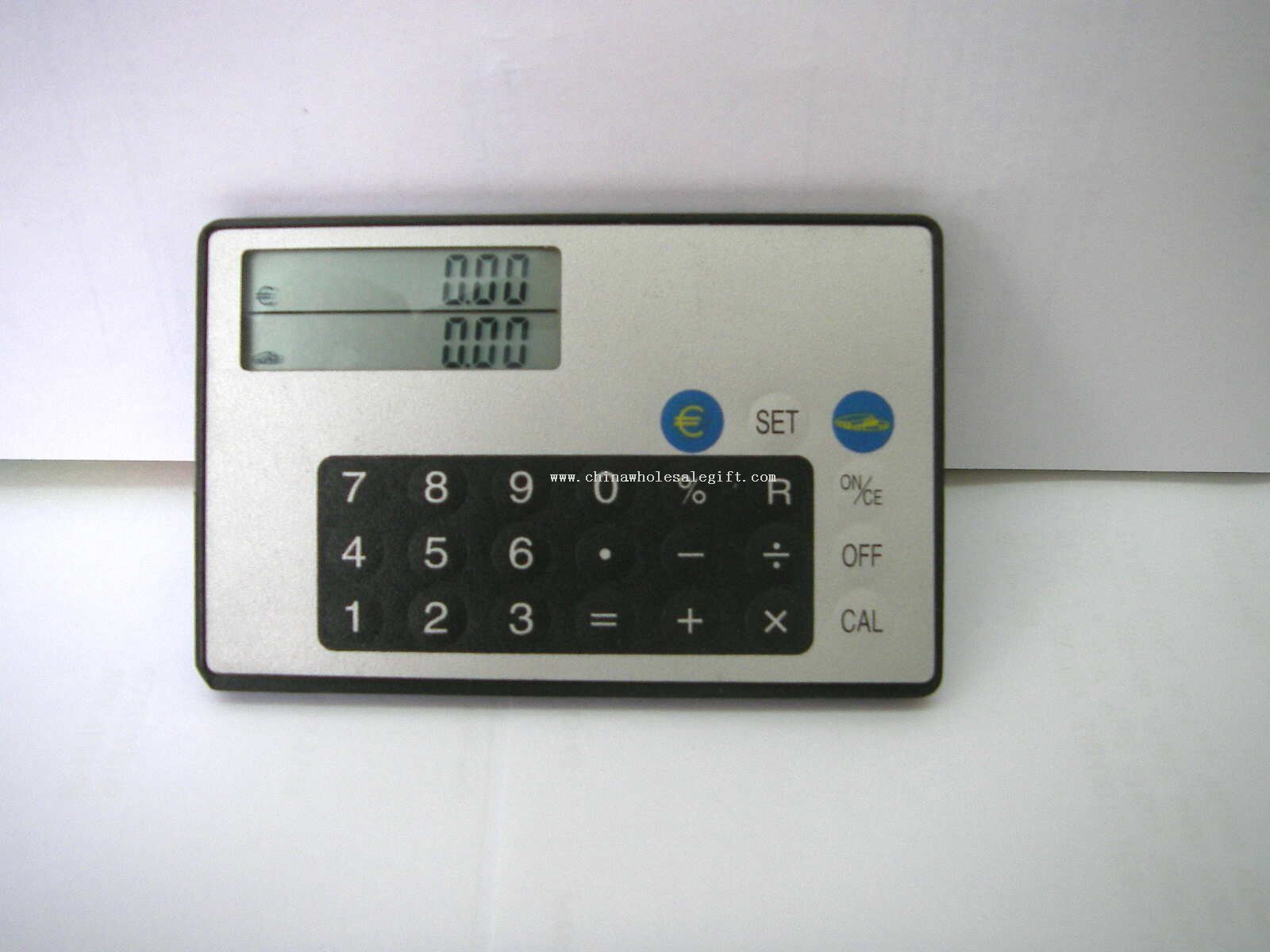
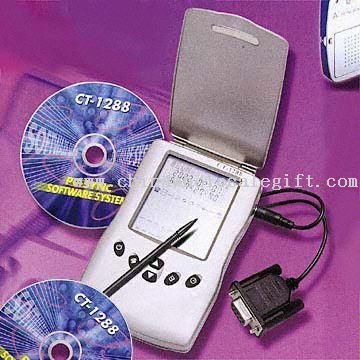
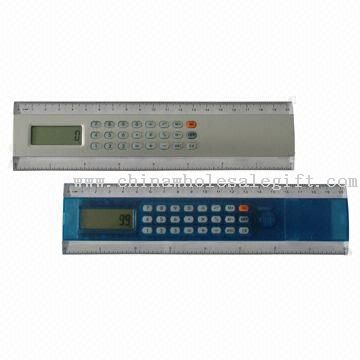
A calculator earns its place on a desk when the buttons feel right under the thumb and the display stays legible under office lighting. This shelf gathers the whole family, from pocket models that slip into a shirt pocket to desktop units with oversized keys, alongside solar dual power versions that draw on ambient light when a battery runs low.
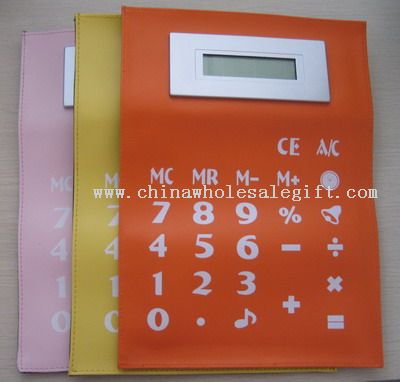
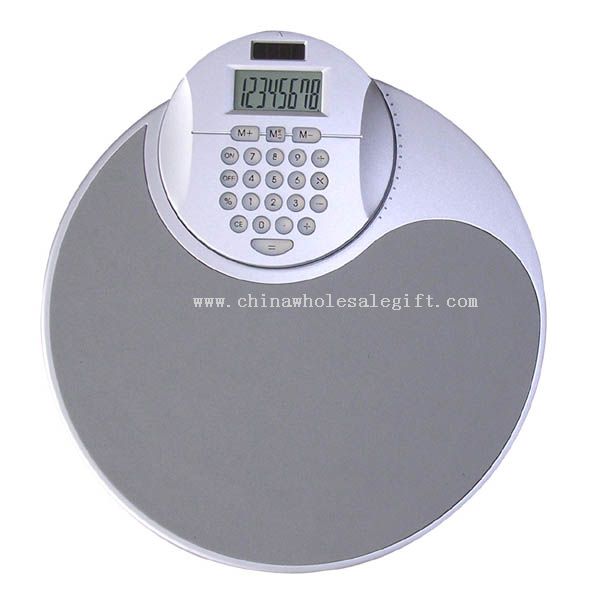
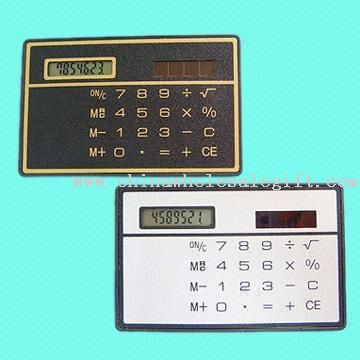
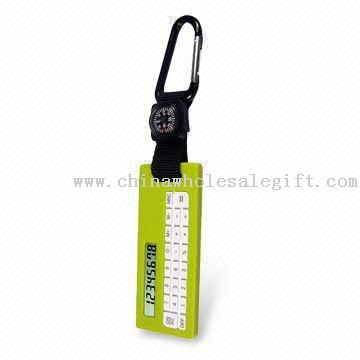
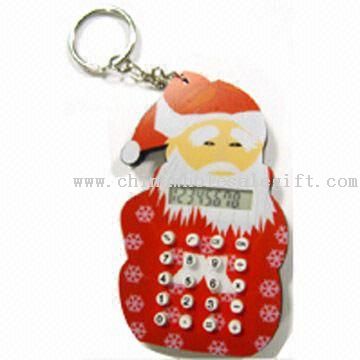
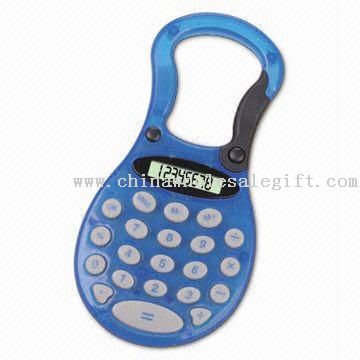
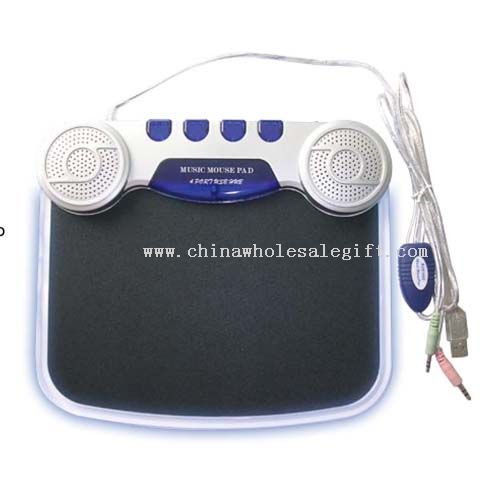
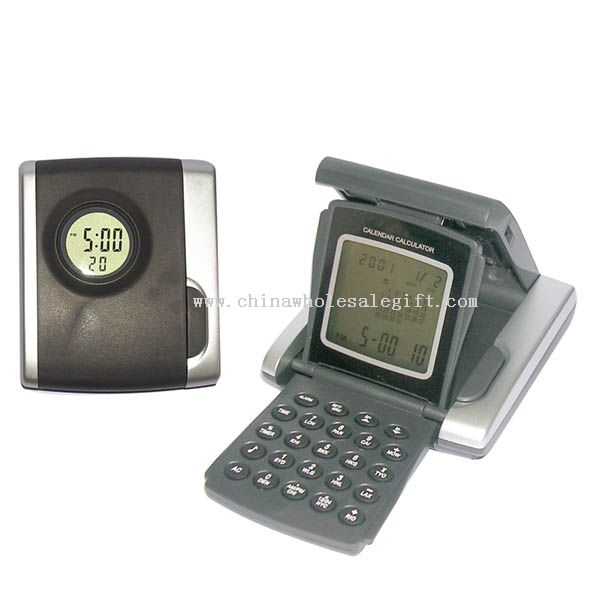
Construction shifts with the format. Pocket and keychain sizes favor a slim plastic shell with a hinged lid, while desktop calculators add a tilted body, rubber feet, and a wider keypad that resists double presses. Scientific models carry rows of function keys for students and engineers, and multifunction units fold in a calendar or clock. Several entries pair the keypad with a mouse pad, giving the desk one coordinated surface.
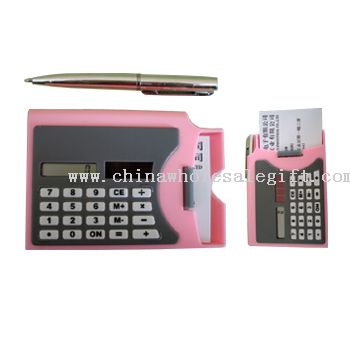
Buyers sourcing for promotional programs usually start with the promotional and gift calculators, where a printed logo sits cleanly on the housing or the mouse pad beside it. Importers and distributors serving offices tend to weight their orders toward desktop calculators and handheld models, since replacement demand is steady. School suppliers and stationery chains favor pocket calculator and scientific calculator lines timed to the academic calendar.
Practical checks begin with the key action: press a few keys and confirm the travel is even, with no wobble on the edges. Read the display at an angle to judge contrast. On solar dual power units, confirm the panel sits flush and the battery compartment opens without tools. For calculator and mouse pad sets, check that the pad lies flat and the printed surface survives a rub with a thumb.
End users care about the small things: a screen that stays readable in a dim room, keys that do not stick after months of daily use, and a footprint that leaves room for a keyboard. Buyers should handle samples across the size range, compare key spacing between portable and office calculators, and confirm packaging protects the display in transit.
15 products
Subcategories
Featured Products
Popular Products