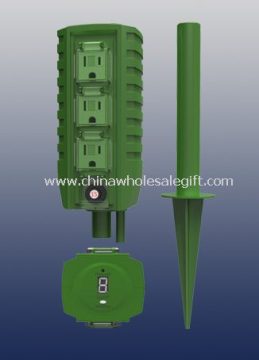
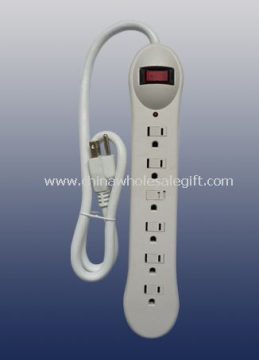
Electrical outlet
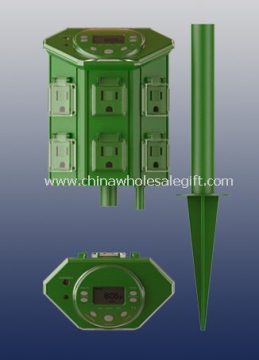
A traveler reaches for a wall socket in a hotel room and finds the prongs will not match, which is exactly the problem this shelf solves. Electrical outlets here are the receiving half of the plug adaptor chain, built to accept a familiar plug pattern and pass current through to the local supply. Each unit is a compact, self-contained block rather than a rewirable fixture.
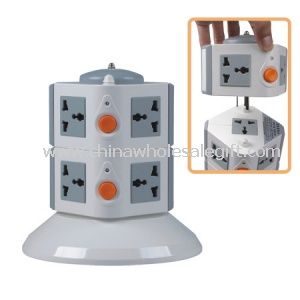
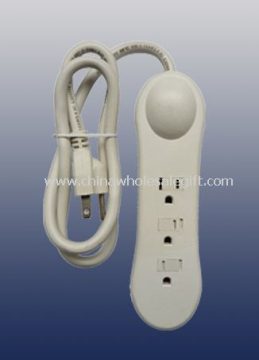
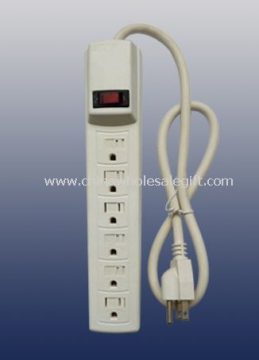
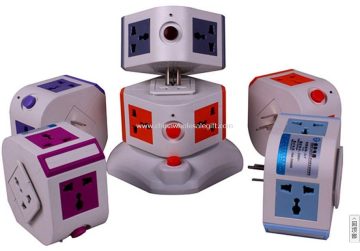
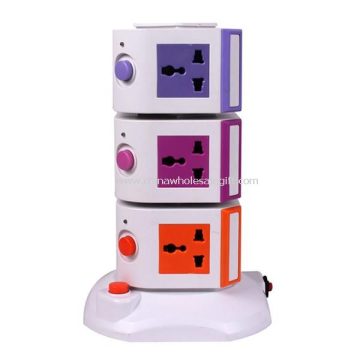
Construction favors molded housings in flame-retardant plastic, with brass or copper alloy contacts seated deep enough to grip a plug firmly and resist loosening after repeated insertion. Many designs combine an outlet face with a converter function, so a device rated for one voltage can run from another. Buyers should confirm contact material, socket depth, and the rated current before committing to volume.
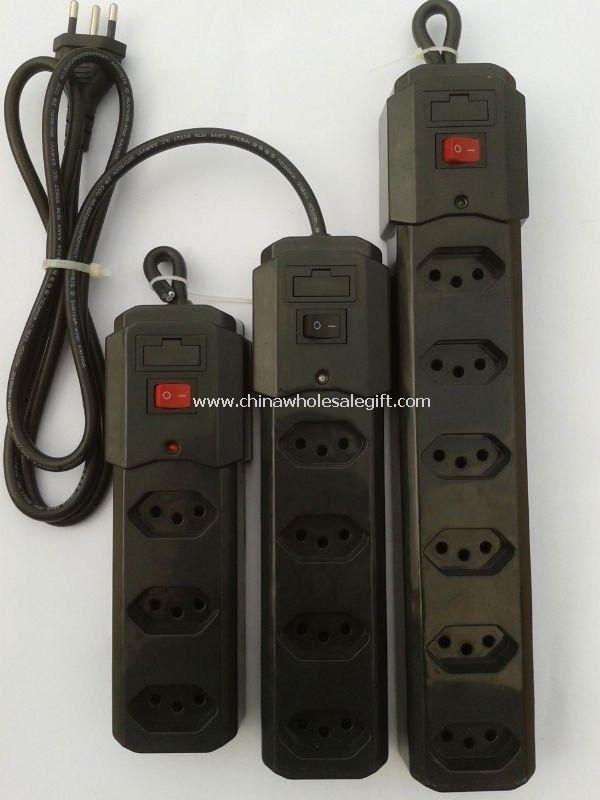
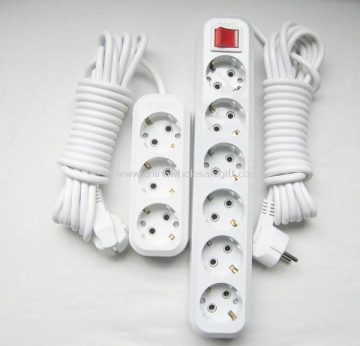
Within this subtree, the range splits by destination. An EU outlet suits the recessed round-pin sockets common across continental Europe, while a Brazil electrical outlet matches the national standard used in that market. Both sit alongside a mini converter plug and a one to one plug adaptor for buyers who prefer a single-purpose unit over a multi-socket block.
Promotional suppliers and importers buy these in mixed assortments, often pairing outlet blocks with a universal converter adapter plug to cover several regions in one shipment. End users are largely traveling professionals, students abroad, and households hosting international guests. Practical checks include prong alignment, the fit of the plug into the recess, and whether the housing stays cool under load.
Shelf neighbors such as a travel adapter with usb output and a standard electric plug help buyers build a complete travel kit rather than a single item. Stocking an EU outlet beside the Brazil pattern lets a distributor serve both corridors without duplicating packaging. Before ordering, request samples, test insertion force, and verify that labeling matches the destination market.
10 products