electronic pedometer
Where the simpler counters stop at step tallies, the electronic pedometer line within the broader step-counter range reaches toward richer health sensing. Importers, fitness-accessory sellers, and wellness-focused promotional buyers stock this group when their customers want extra readings such as heart rate or pace alongside the basic step count.
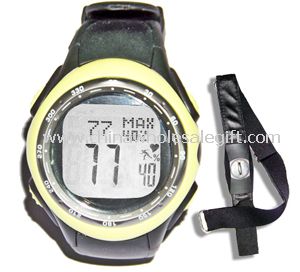
The electronics here rely on sensing elements that respond to motion and, in some models, to the wearer's pulse. A compact module processes those signals and feeds a readable display, while a clip, strap, or belt mount keeps the unit steady during exercise. Housings mix rigid plastic frames with rubberized edges to absorb knocks from active use.
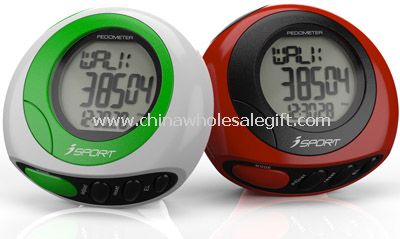
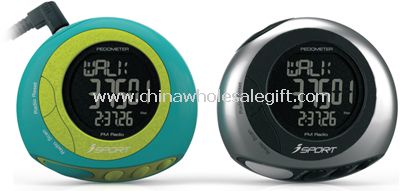
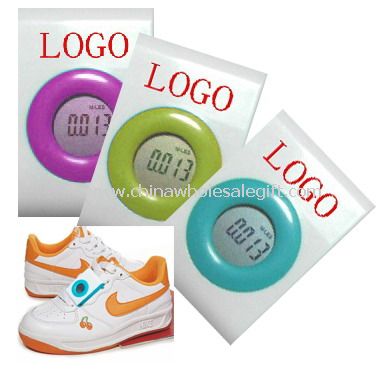
Feature sets spread across a spectrum. Entry-level pieces count steps and show a simple total, mid-range units add a heart-rate reading or a distance estimate, and broader models fold in a radio with earphones or a small timer. This spread lets one category answer shoppers at different commitment levels without forcing a buyer to stock several unrelated lines.
End users include joggers, gym members, cyclists, hikers, and rehabilitation patients working under light exercise plans. The health angle also suits pharmacy chains, health clinics, and corporate wellness campaigns, where a device that reads body signals carries more persuasive weight than a bare step counter.
Wholesale assortments generally combine a straightforward sensing model with a fuller health-tracking style, keeping color choices conservative and packaging clear so shoppers can distinguish the tiers at a glance. Because the sensing module is the core value, buyers often steer shelf talkers toward the health readings rather than the outer styling.
4 products