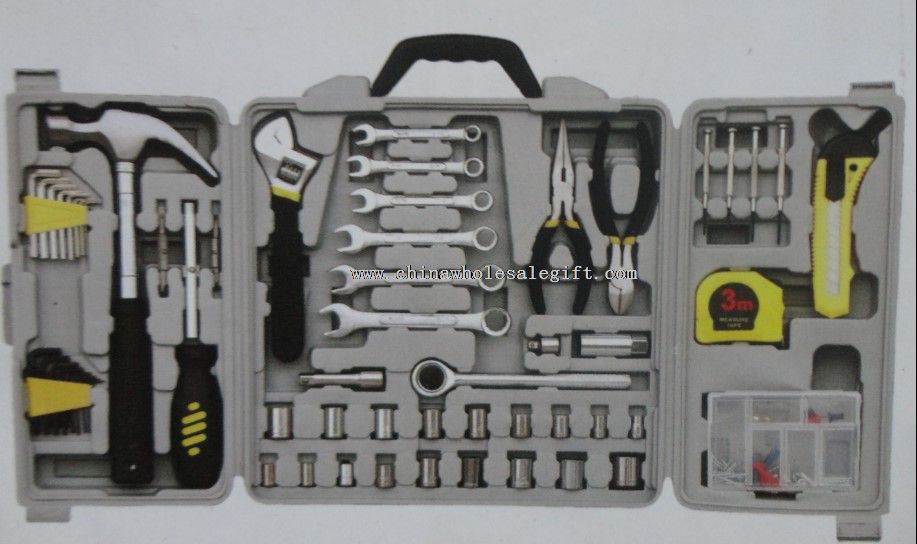
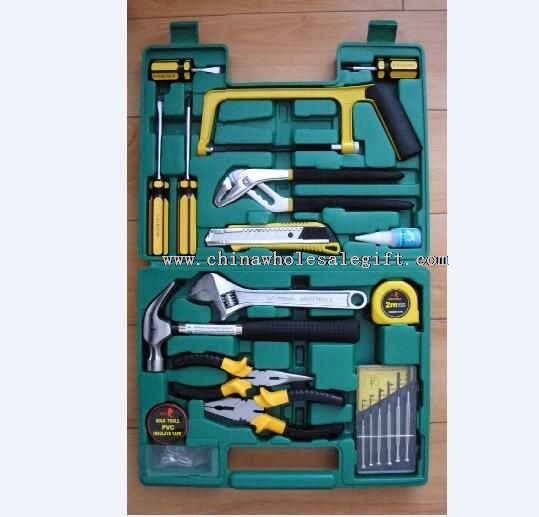
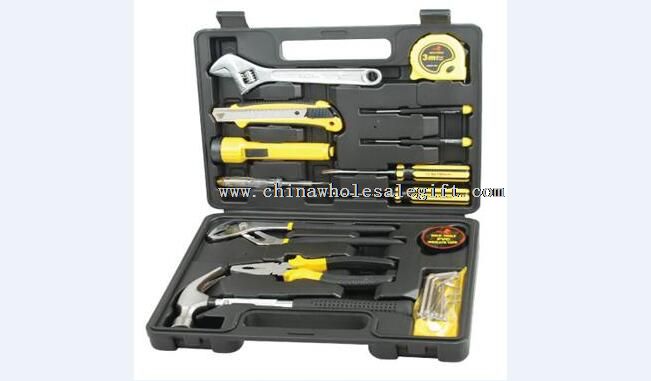
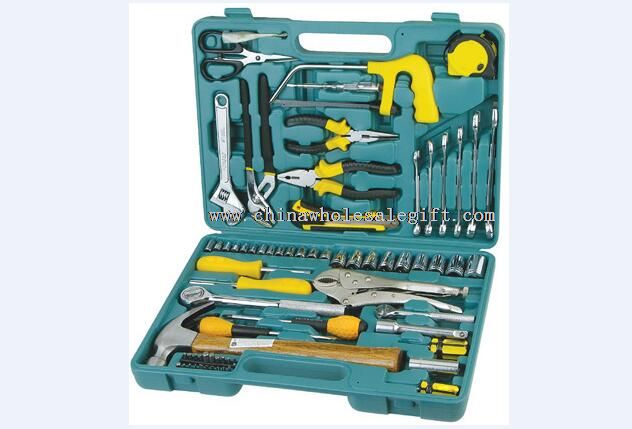
Emergency Tool Set
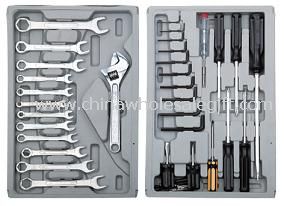
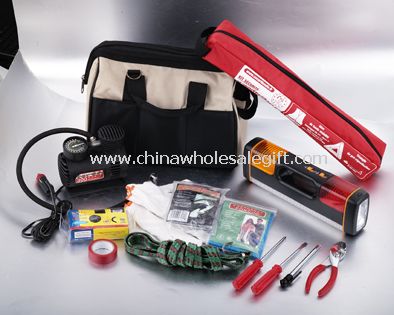
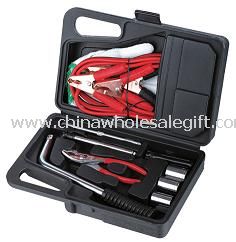
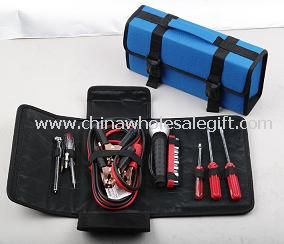
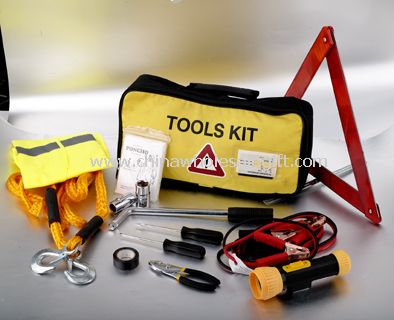
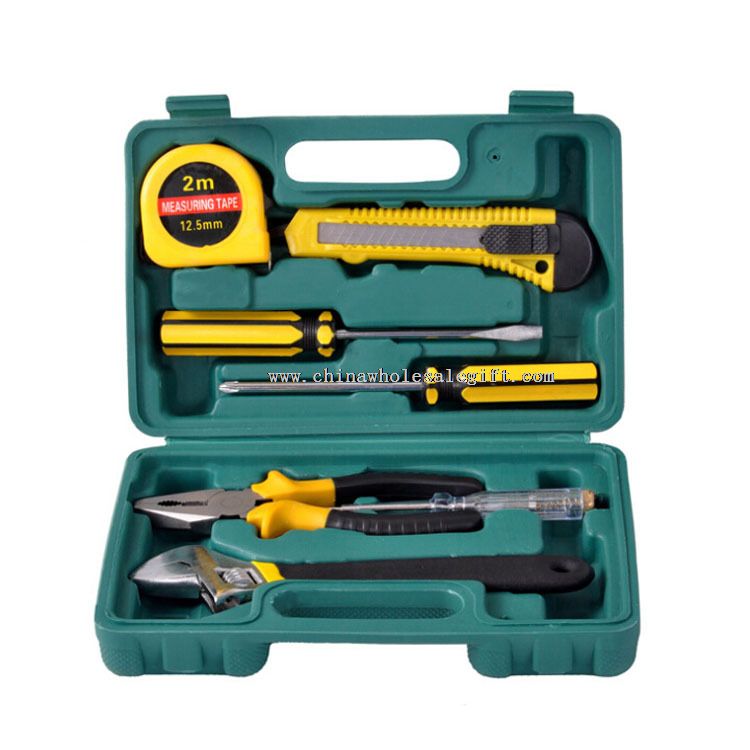
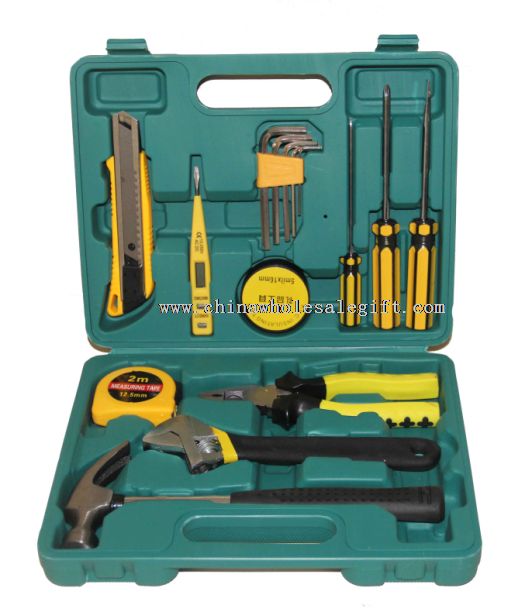
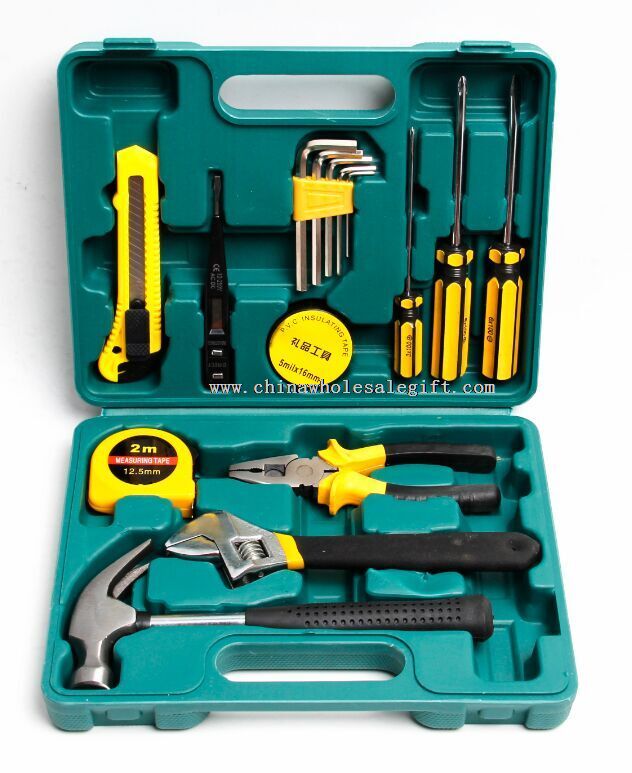
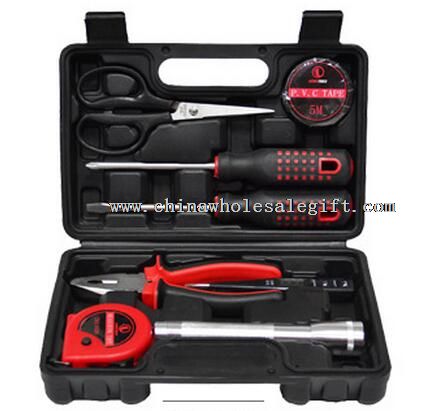
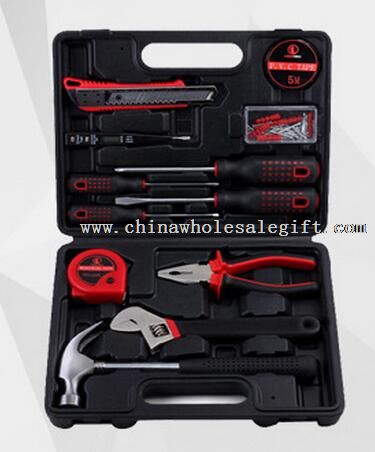
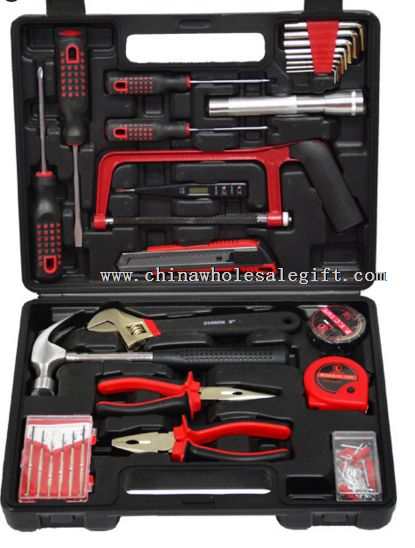
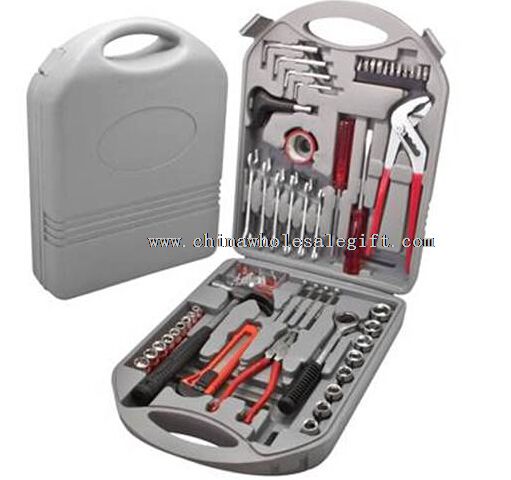
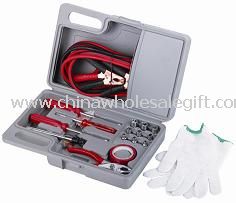
A glove box, a trunk, or a desk drawer is where most emergency tool sets earn their keep, tucked within reach for the flat tire, the loose battery terminal, or the stalled engine that interrupts an ordinary day. This shelf gathers forty-eight of them in a mid-range band, sized for roadside fixes, household outages, and the small repairs that never announce themselves.
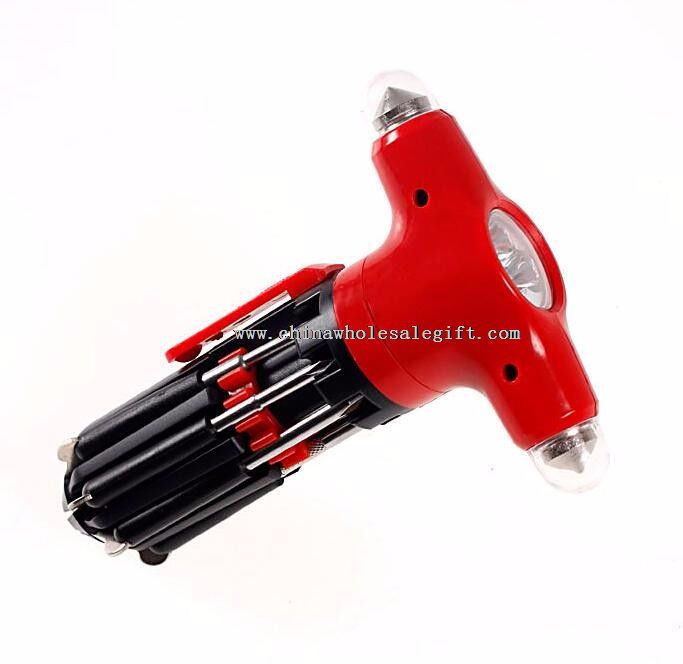
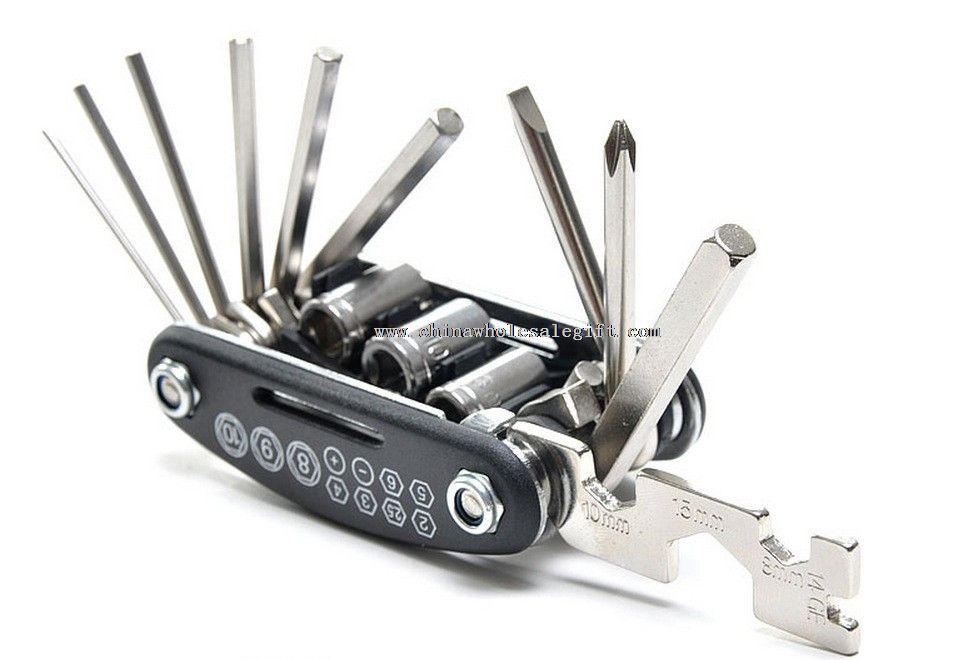
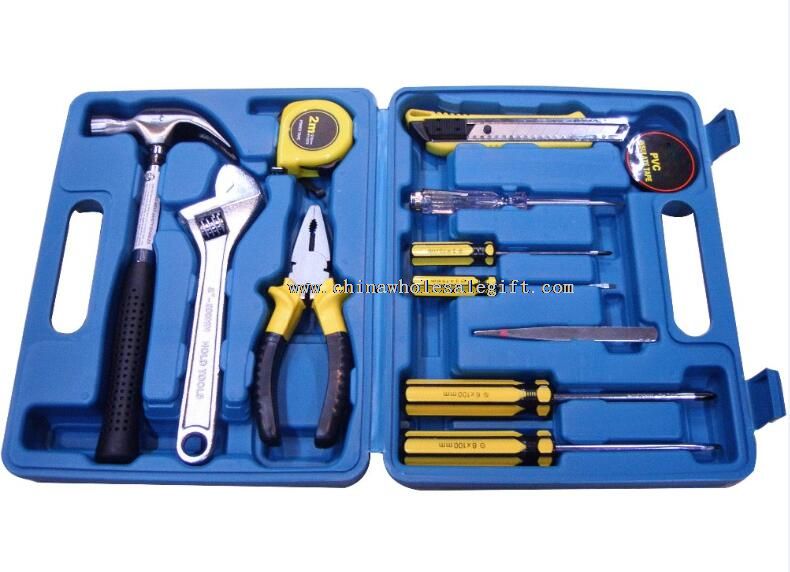
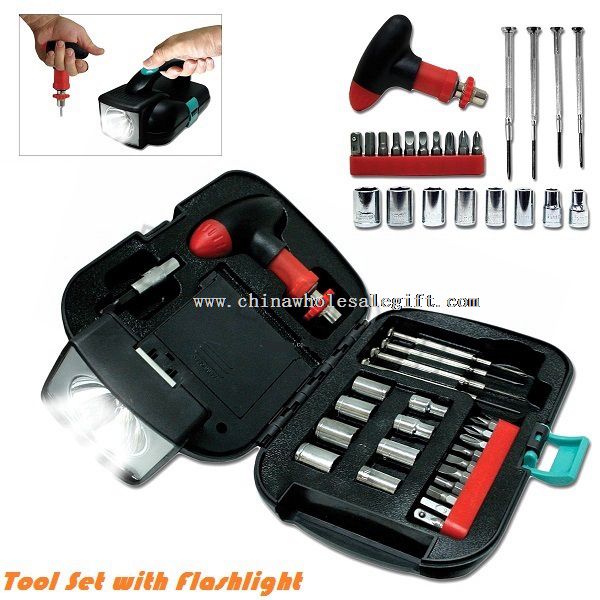
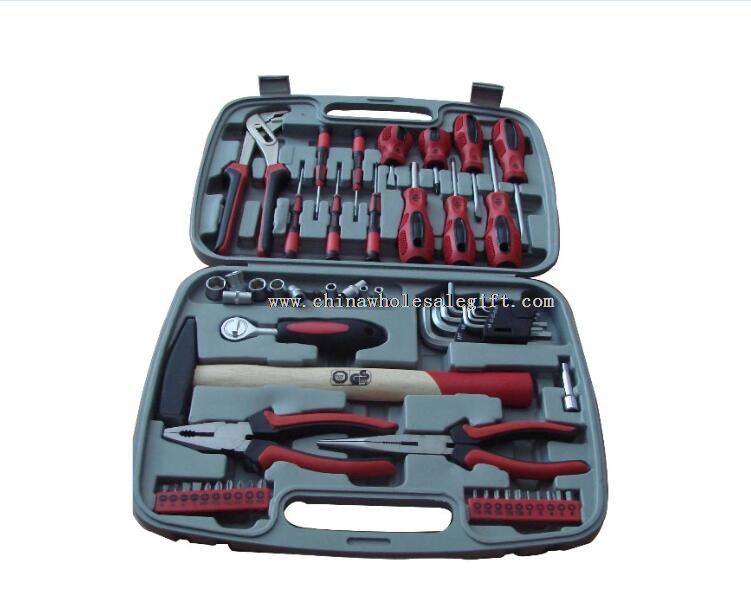
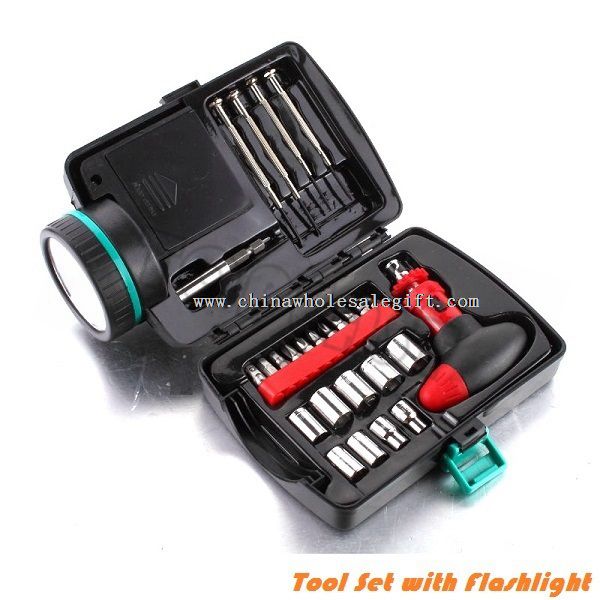
Build is the first thing a buyer should weigh. Most sets combine a folding screwdriver with interchangeable bits, a compact flashlight, and a pouch or molded case that holds each piece in place. Plastic handles should feel solid at the joint, bit tips should seat without wobble, and the flashlight body should survive a drop onto pavement. Inspect the case hinge and the strap loop, since those fail before the tools do.
Buyers sourcing for distribution or a promotional program favor these kits because they pack flat, stack in a warehouse, and suit corporate gifting, safety incentives, and auto accessory aisles. Matching the kit to the channel matters: a slim pouch fits a glove box pitch, while a rigid case reads as a more substantial gift. Confirm case dimensions, tool count, and battery type before committing a container load.
End users judge the set in the moment it is needed. A driver who can change a bit by feel, a camper who wants light without hunting for a lantern, or a homeowner facing a dark stairwell all value the same things: labeled compartments, a case that closes with one hand, and a flashlight that turns on without a struggle. Keep the carded shelf nearby for impulse buys.
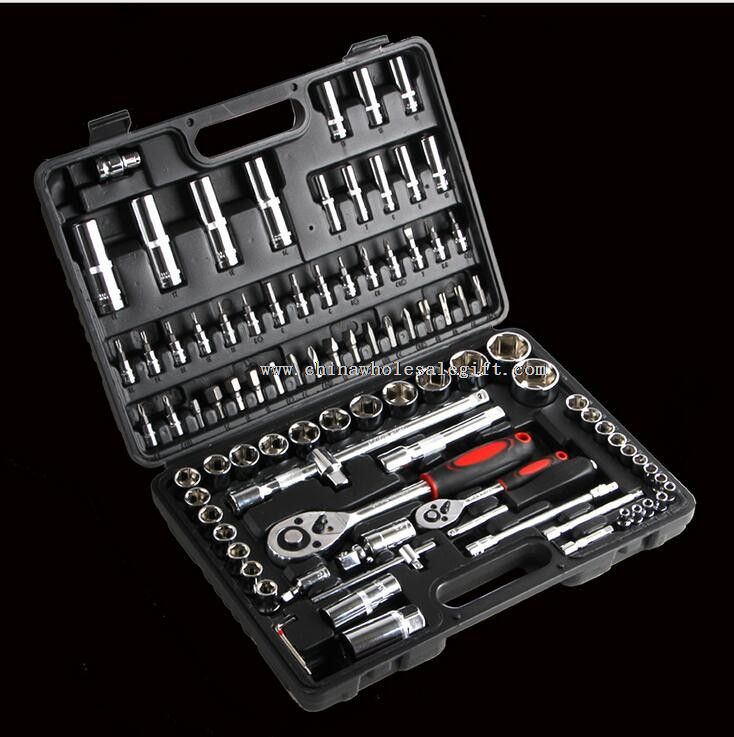
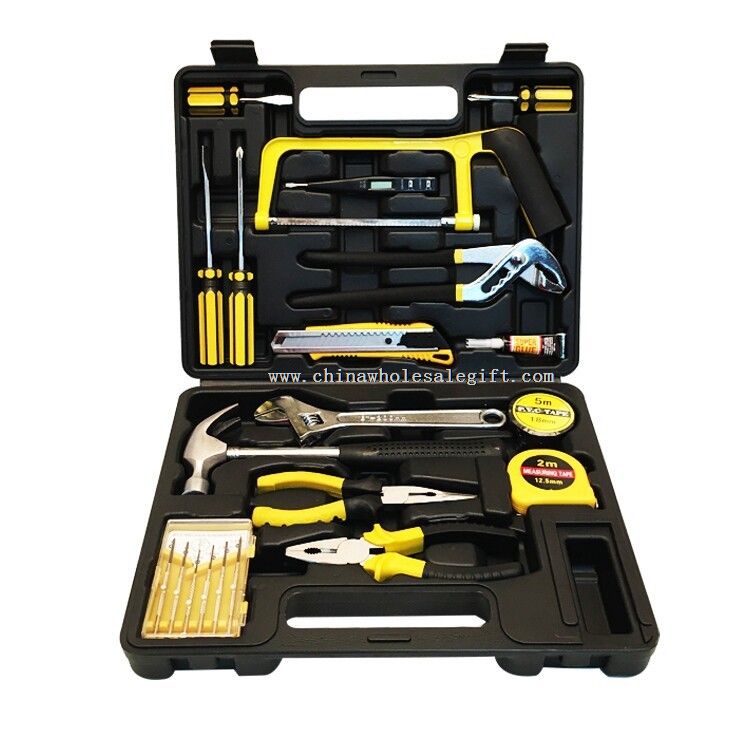
Practical checks round out a sourcing review. Ask how the bits are finished, whether the pouch is stitched or heat-sealed, and how the kit travels in bulk cartons. Compare against the household tool set, screwdriver set, socket set, and blister card tool set on neighboring shelves so the assortment covers distinct jobs rather than overlapping ones.
48 products · page 1 of 4