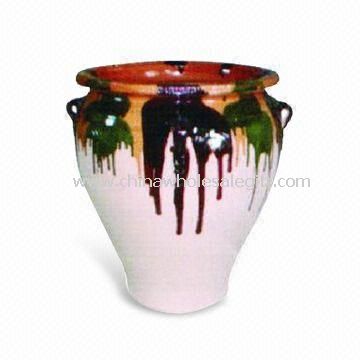
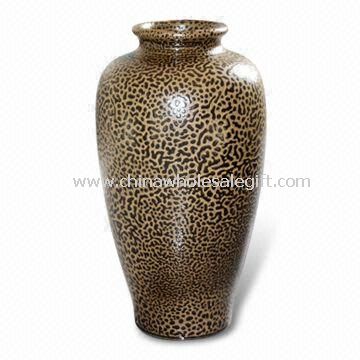
Enamel Vase
Enamel vase displays begin with a fired glass coating over a metal or clay body, and the surface is where the character lives. The finish can be glossy and opaque, softly matte, or cracked like crazed porcelain, and each look changes how a shelf reads. Buyers sorting this mid range category should judge glaze depth, edge coverage, and how evenly the color sits around the shoulder of the form.
Construction separates the formats on this shelf. A cloisonne enamel vase builds color inside fine wire cells, so the pattern sits crisp and raised. A clay ceramic vase with an enamel exterior fuses the coating to a molded body, which favors rounded profiles and simple silhouettes. Handmade porcelain vases with cracked enamel show deliberate fissures that add texture and a vintage temper.
For wholesale buyers, the practical checks are straightforward: run a fingertip along the rim and foot for chipped enamel or exposed metal, tip the piece to confirm it stands level, and inspect the interior for a smooth, sealed lining. Packed in master cartons, the pieces should sit in molded inserts with clearance at the lip. Confirm the box drop rating and how mixed assortments are boxed before committing to a program.
Promotional suppliers favor this group because enamel carries color faithfully, so brand hues reproduce well on a small run of corporate gifts. Distributors stock it beside metal vases and glass vase lines to give retail buyers a range of finishes at one price band. Gift shops pair it with flower vase sets, and souvenir buyers choose motifs that speak to a destination or an anniversary.
End users place these vessels on consoles, entry tables, and mantels, often with a single stem or a dried arrangement. The coating wipes clean with a damp cloth, but the surface will chip against hard contact, so a coaster or felt pad under the base helps. Buyers should confirm the enamel is fired rather than painted on, ask how the pieces are cushioned, and request a sample for finish inspection.
3 products