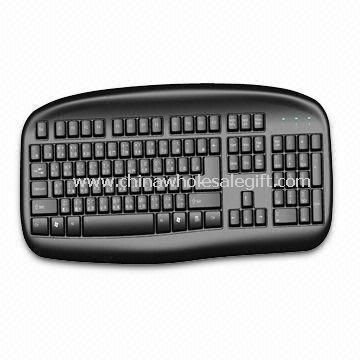
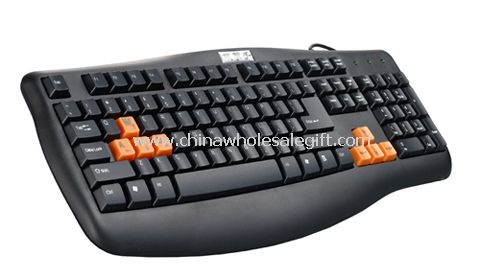
Ergonomics Keyboard
Wrists rest lower and shoulders drop away from the ears when a keyboard is shaped to follow the natural line of the arm. This shelf gathers that idea into a compact niche: ergonomics keyboards built to ease the strain of long typing sessions without abandoning the familiar key layout most offices already know.
The family here centers on two direct entries, the PC Ergonomics Keyboard and the Ergonomic Designed Standard Keyboard. Both take the standard keyboard footprint and rework its geometry rather than its function, so trained typists keep their muscle memory while the board itself redirects the hands into a more relaxed position across a full workday.
Construction favors split or angled key fields, raised centers, and wrist-friendly front edges, giving each board a shape that supports the forearms instead of fighting them. Buyers sourcing for resellers or corporate programs should check key travel, casing finish, and how the layout handles the number row and modifier cluster before committing to a run.
Promotional suppliers frequently place these boards in workplace wellness kits, home-office bundles, and staff appreciation packages, where a standard keyboard feels generic but an ergonomic one signals care. Distributors serving ergonomics-focused catalogs also stock them as the mid range step between basic input devices and full specialty setups.
End users are typically data entry staff, programmers, writers, and remote workers logging long hours. Practical checks include the angle of the key wells, the stability of the base, and whether the board suits both flat desks and adjustable trays, so the ergonomic favor shows up in daily use rather than only on the spec sheet.
2 products