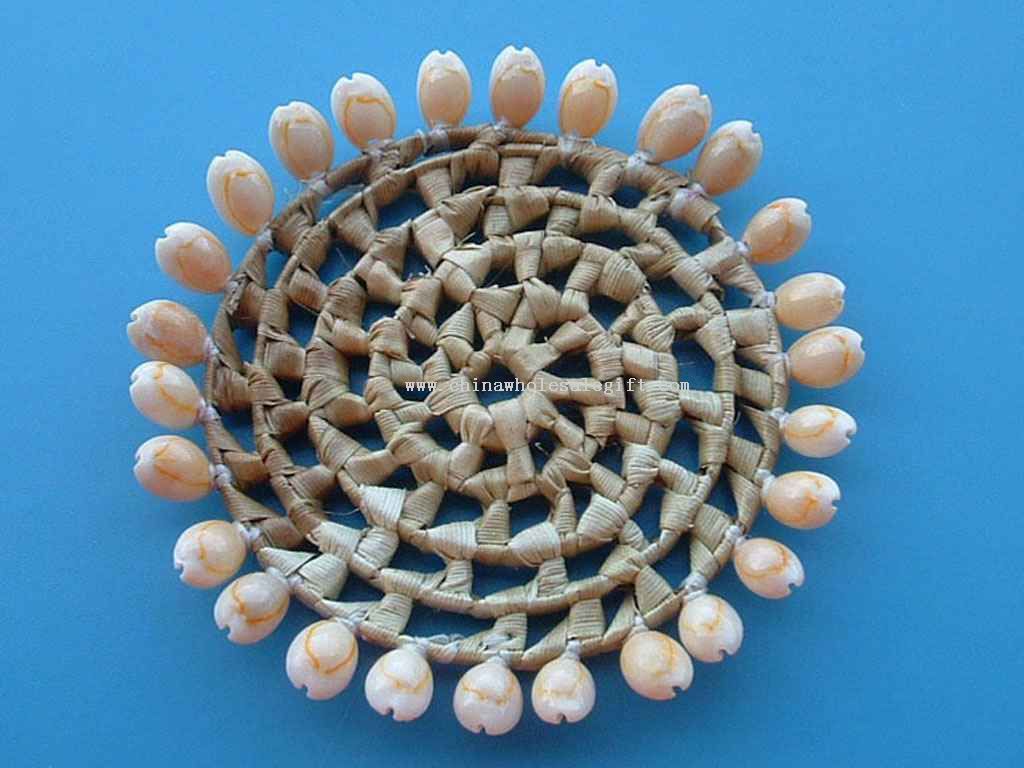
Fabric coaster
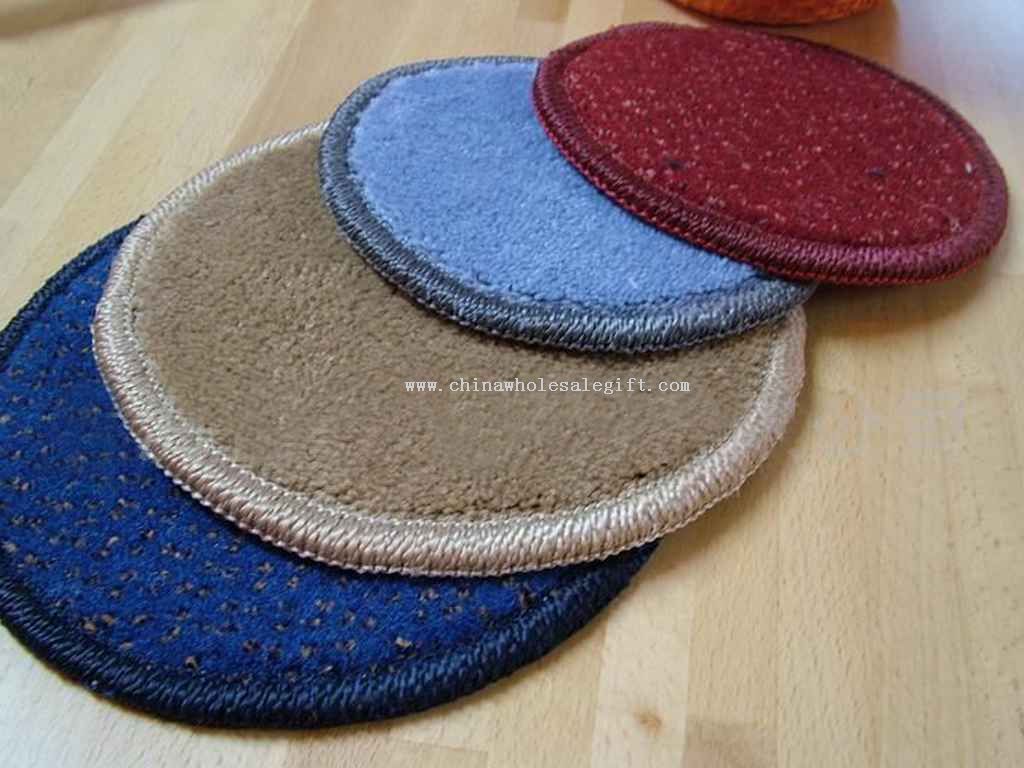
A fabric coaster sits between a hot mug and a tabletop, softening the landing and catching the ring of condensation before it spreads. These mats pair a woven or brushed textile face with a firm backing, so the surface feels warm under the fingers while the base stays flat. Buyers sorting through a mid range shelf will find the fabric version a distinct step up from the pvc coaster and the mdf coaster beside it.
Construction usually joins a printed or plain cloth top to a stiff insert, then binds the edge to stop fraying. That layered build gives the mat enough body to stay put when a cup is lifted, yet the cloth face absorbs small spills rather than letting them bead and run. A cup pad finished this way reads as homey and tactile, which suits both retail shelves and giveaways.
Wholesale buyers typically order these by the set, packing coordinated colors for gift boxes, coffee station bundles, and promotional programs tied to kitchenware themes. Importers and distributors check stitch density along the binding, backing adhesion, and how the textile behaves after repeated washing. Sampling the absorbency and the grip of the base matters more than the surface print for repeat orders.
End users reach for fabric coasters in living rooms, offices, and dining nooks where the look should match linens and upholstery rather than a bare desk. The cloth face muffles the clink of a ceramic mug, and the soft top treats delicate finishes kindly. Anyone comparing this family with a nearby cork coaster or leather coaster will notice the warmer hand and quieter feel.
Sourcing checks for this shelf include colorfastness after laundering, dimensional stability so the mat dries flat, and consistency of the bound edge across batches. Confirm the fabric content and backing material on the sample card, and organize a small pilot run before committing to a full catalog line. Pairing these with a matching cup pad keeps the shelf story coherent.
2 products