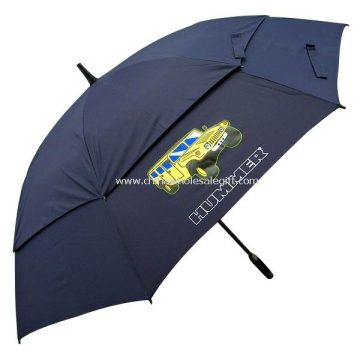
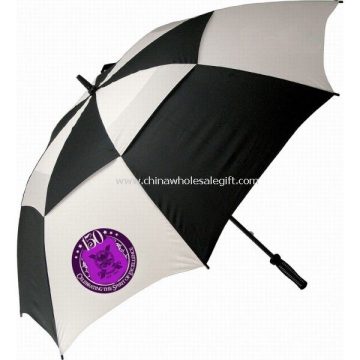
Fibreglass Umbrella
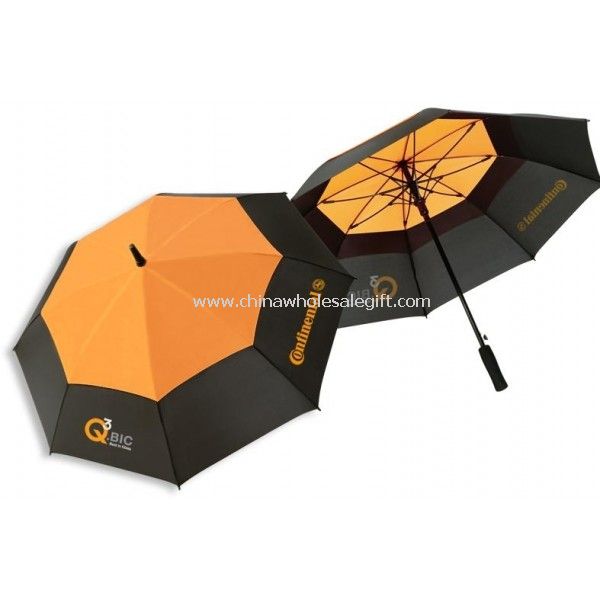
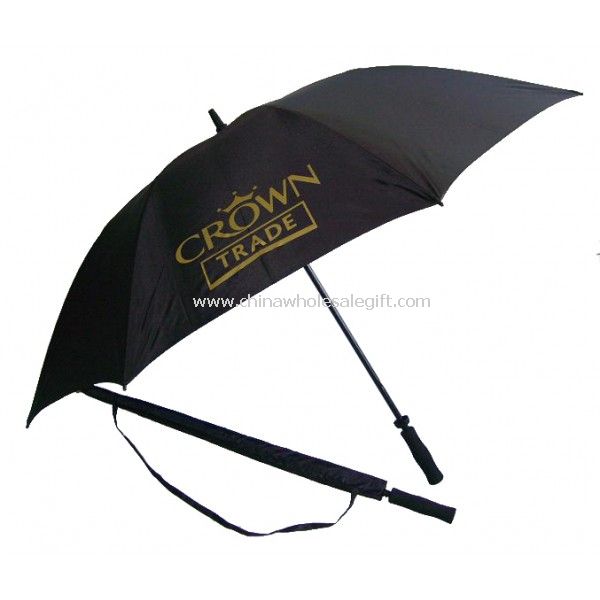
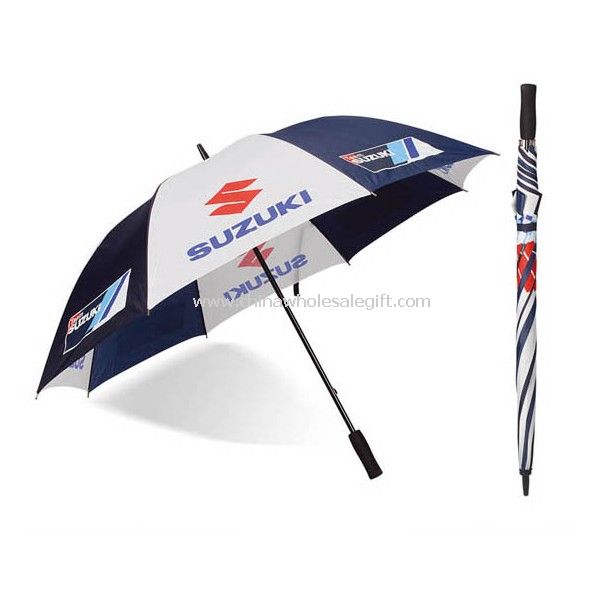
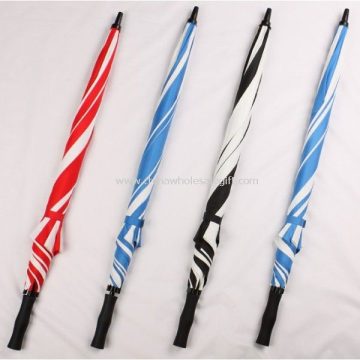
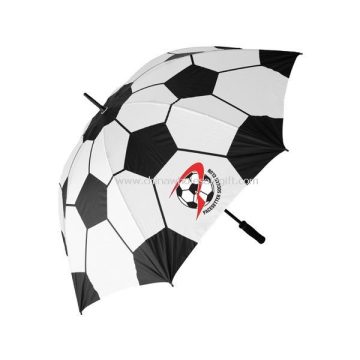
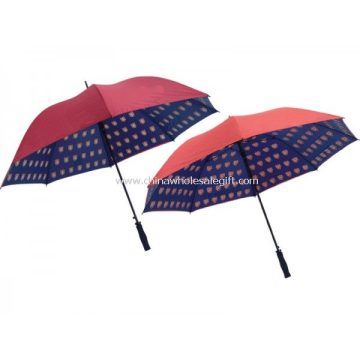
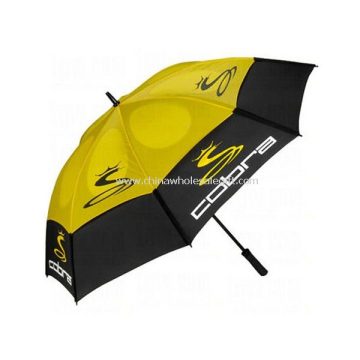
A fiberglass umbrella earns its place on the golf course, the resort terrace, and the trade-show stand because its frame flexes without snapping in a sudden gust. Instead of a bent steel shaft and rusting ribs, these models use pultruded fiberglass for the ribs and often the shaft, so the canopy springs back into shape after a hard push against the wind.
Construction pairs that flexible frame with a taut canopy, usually a polyester or nylon fabric umbrella shell treated for water repellency. The fiberglass ribs spread evenly from a lightweight hub, and the shaft slots into a straight umbrella handle or a compact fold umbrella grip. Weight stays modest, which matters for anyone carrying the umbrella across a long outdoor event.
Buyers sourcing this mid-range tier tend to be promotional suppliers, importers, and distributors assembling corporate gift programs, hotel amenities, or golf-day giveaways. They book these alongside sun umbrella and rain umbrella stock to cover both seasons. End users are golfers, event attendees, hospitality guests, and commuters who want a folding umbrella that survives daily handling rather than a throwaway plastic umbrella.
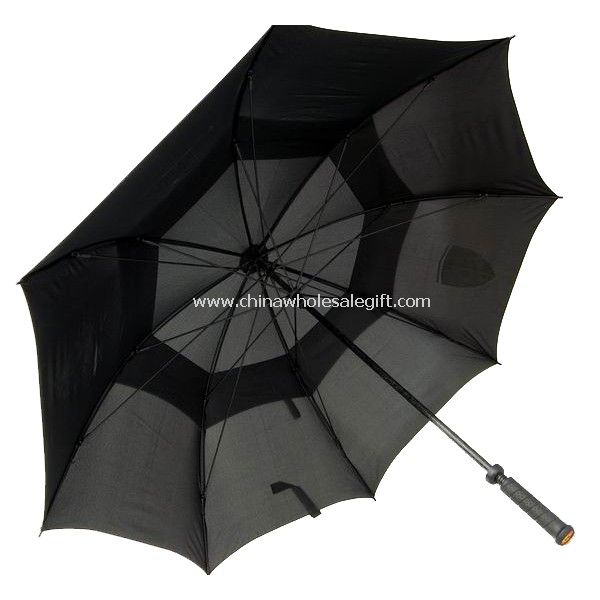
Practical checks start with rib count and thickness, since fiberglass stiffness varies. Flex the frame by hand and listen for creaking hubs. Confirm the canopy fabric weight and stitch density at the seams, and look at how the ribs attach to the canopy tips. On folding models, cycle the runner and lock a few times. A beach umbrella version needs a sturdier pole and a vented top panel for airflow.
Packaging and finish decide repeat orders. Ask for a color-fast sample of the canopy, inspect the ferrule and tip caps, and check that the garden umbrella or bottle umbrella variants ship with matching sleeves. Keep the fiberglass shaft free of splinters at cut ends. A tidy, well-finished umbrella reads as a considered gift, and that perception sustains wholesale reorders season after season.
10 products