Finger Mouse
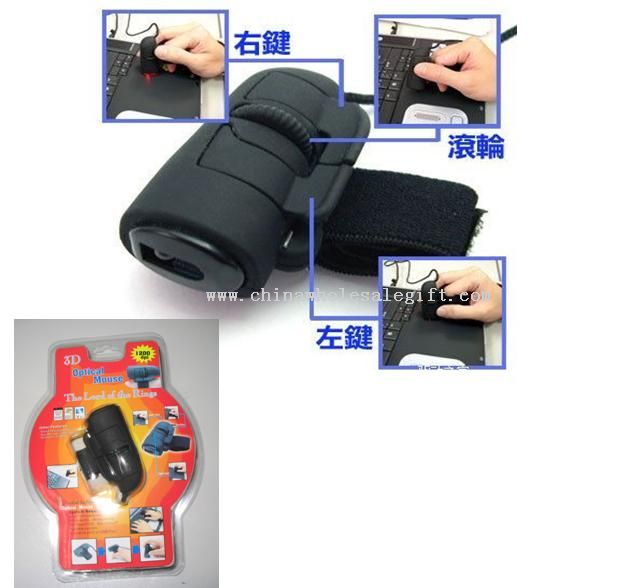
A finger mouse turns the hand into the pointing device, worn on the index finger and steered by small thumb movements while the palm stays relaxed on the desk. The format suits cramped desks, standing workstations, and presentations where a conventional desktop mouse would force the wrist into an awkward angle. This shelf carries the finger mouse family in its wearable form, distinct from the ball mouse and optical mouse nearby.
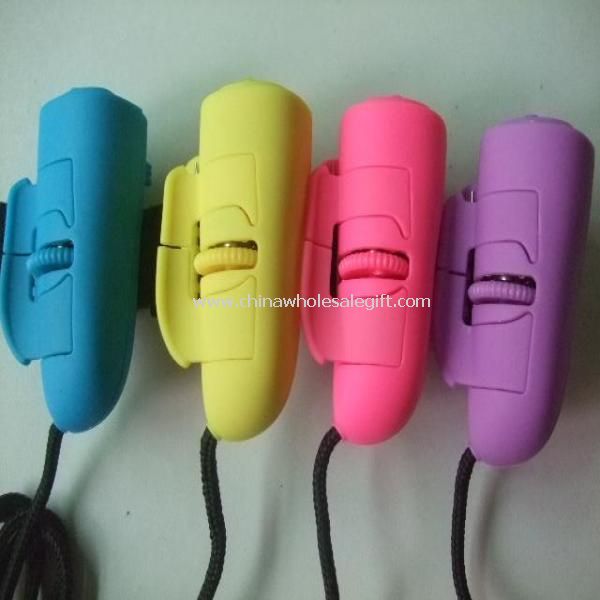
Construction is compact by necessity. The shell wraps a slim optical sensor and a rechargeable or button-cell power source around a finger-sized band, with a thumb pad handling left and right clicks. Buyers should check band fit across hand sizes, sensor resolution, battery access, and whether the shell is smooth plastic or a soft silicone mouse style grip that resists slipping during long sessions.
For importers and promotional suppliers, the finger mouse works as a niche line item rather than a volume staple. Order quantities are modest, so sourcing favors factories already producing compact wireless mice. Practical checks include pairing behavior with common operating systems, sleep behavior to protect battery life, the finish of the band, and retail-ready packaging that presents the mouse clearly on a peg or shelf.
End users tend to be presenters, traveling sales staff, and desk workers managing wrist strain. The appeal is freedom from a flat surface: gesture control and air pointing keep slides moving without a podium mouse. A USB finger mouse variant adds plug-and-play simplicity for buyers who want no pairing step, while a Bluetooth model trims cable clutter for laptop bags.
Merchandise the category by use case rather than by specification sheet. A short demo card showing the thumb pad and band adjustment answers the most common question at first glance. Pair the shelf with optical mouse and wireless mouse neighbors so shoppers comparing precision and portability can weigh the wearable option against a standard handheld device in a single visit.
2 products