Folding Tent
A folding tent collapses into a compact bundle and rises into a sheltered spot for spectators, vendors, and weekend campers. This shelf gathers eight direct products at the premium end, where heavier frames, denser fabrics, and cleaner stitching separate a lasting shelter from a seasonal one. Buyers browsing here are usually comparing build quality first and pack size second.
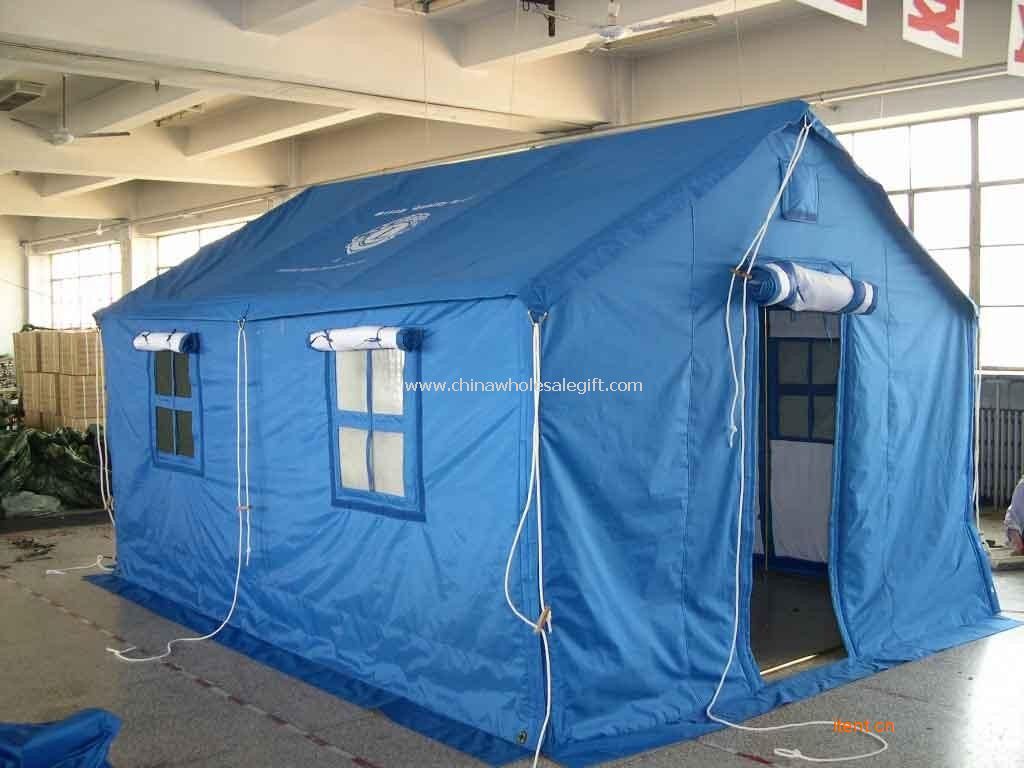
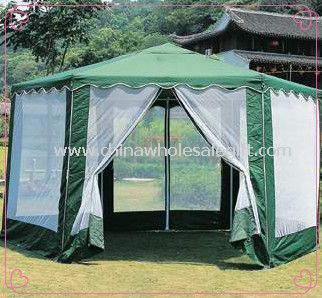
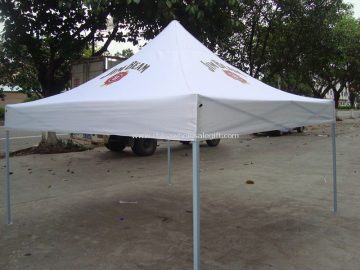
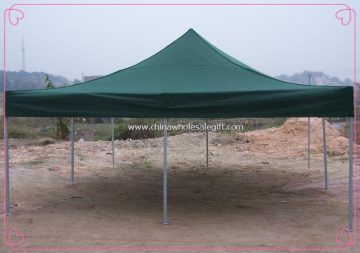
Construction follows a familiar pattern: a hinged frame that unfolds in one motion, fabric stretched over the joints, and legs that lock at the corners. The related large heavy duty folding tent shows how far the frame and fabric can be pushed for commercial use, while the aluminum folding gazebo trims weight without giving up rigidity. Roof panels shed rain, and side walls convert an open canopy into an enclosed room.
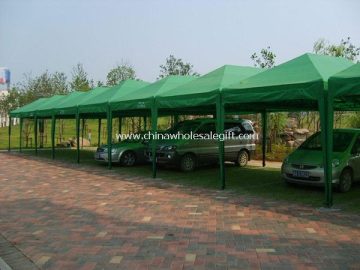
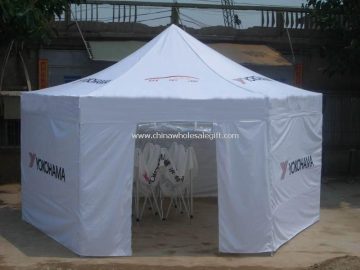
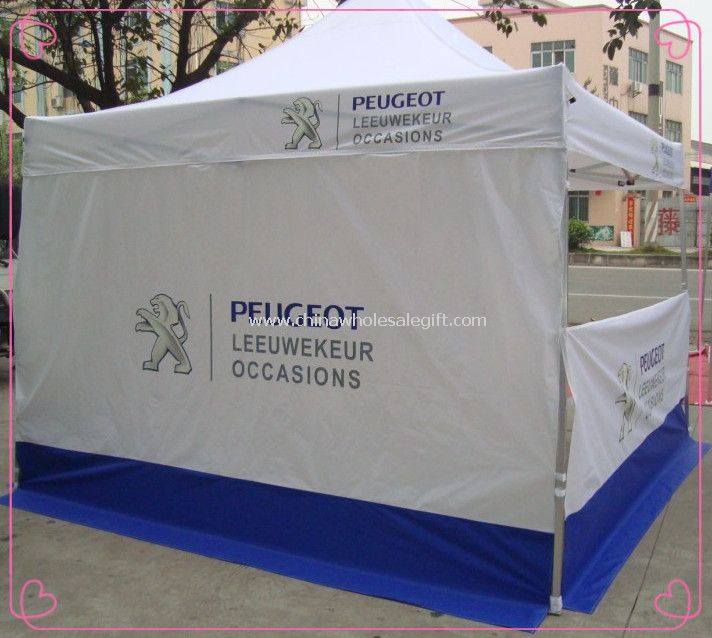
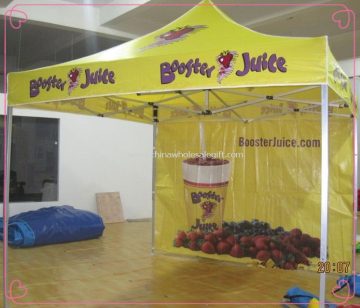
Promotional suppliers order these shelters for branded events, market stalls, and trade show grounds, often favoring plain panels that accept printing or embroidery. Campers and festival goers use the same frames for shade and rain cover, and the advertising pop up tent earns its place at roadside sales and sporting fixtures. The car shelter tent serves drivers who need overhead protection in an open lot.
Sourcing checks start with the frame: tube gauge, joint material, and how the hinges behave after repeated folding. Confirm fabric weight and coating, seam sealing, and whether the carry bag has wheels or shoulder straps. Ask how the advertising folding tent with one rear wall handles wind, and whether leg weights or stake kits are included. Request a sample and fold it yourself before committing to volume.
End users judge these shelters on setup time, packed length for a trunk or truck bed, and how the fabric holds color after a season outdoors. A premium folding tent should open without tools, stand steady on uneven ground, and pack away dry. Matching the frame size to the actual guest count or stall footprint matters more than the headline dimensions on a spec sheet.
8 products