Gas Alarm
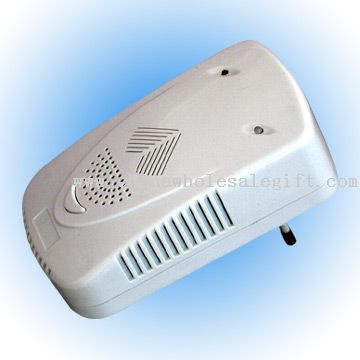
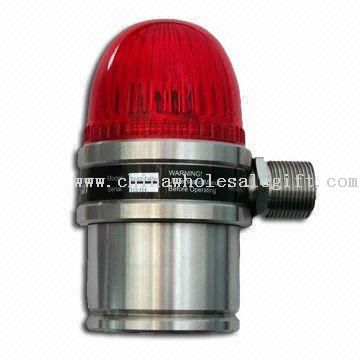
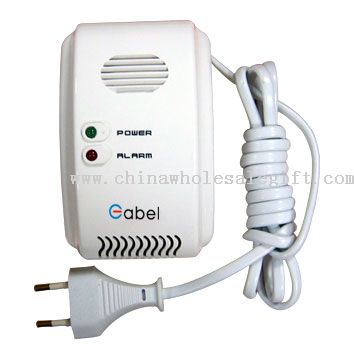
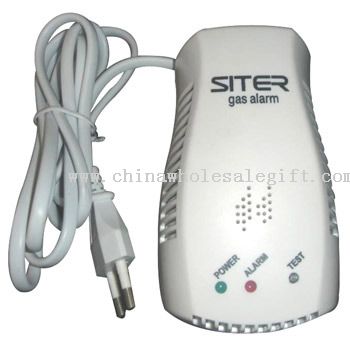
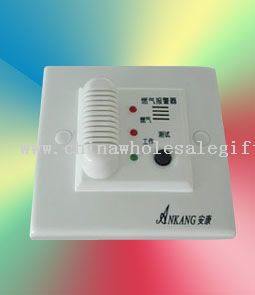
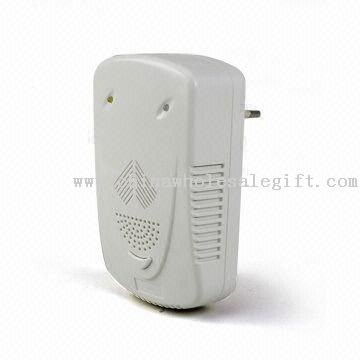
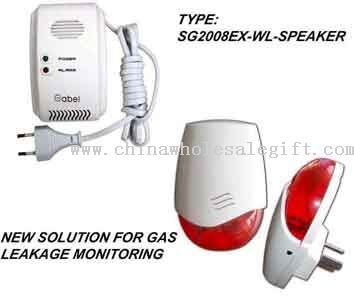
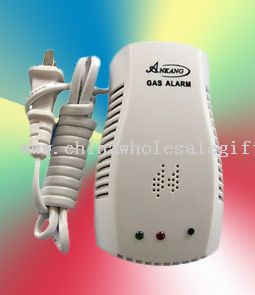
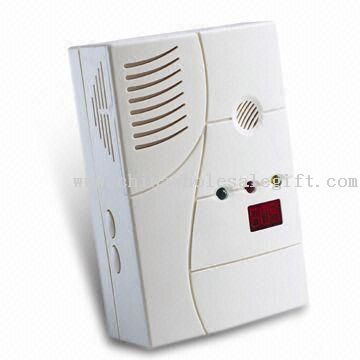
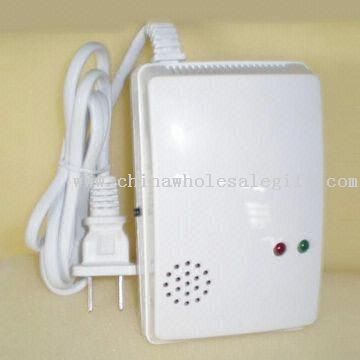
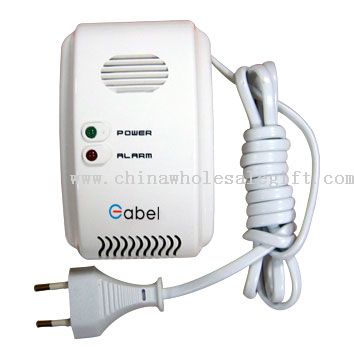
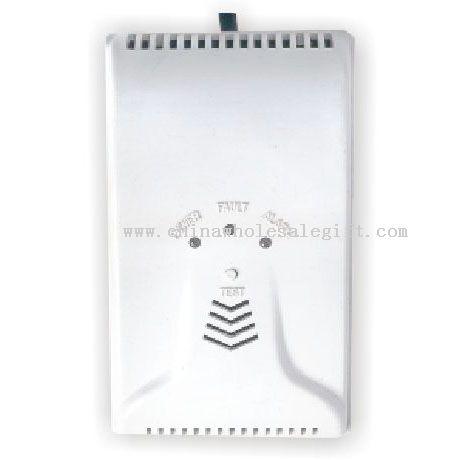
A gas alarm on a kitchen wall or beside a boiler is a small device asked to do a serious job: sense a leak before anyone smells it and sound a warning loud enough to clear the room. This shelf gathers twenty-nine models, from compact household units to hot wire type sensor designs and a gas monitoring system built for broader coverage.
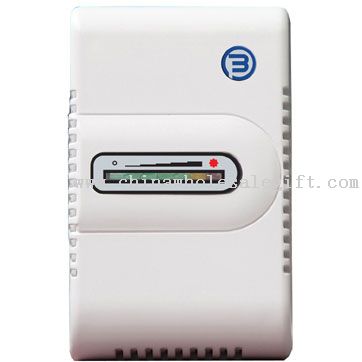
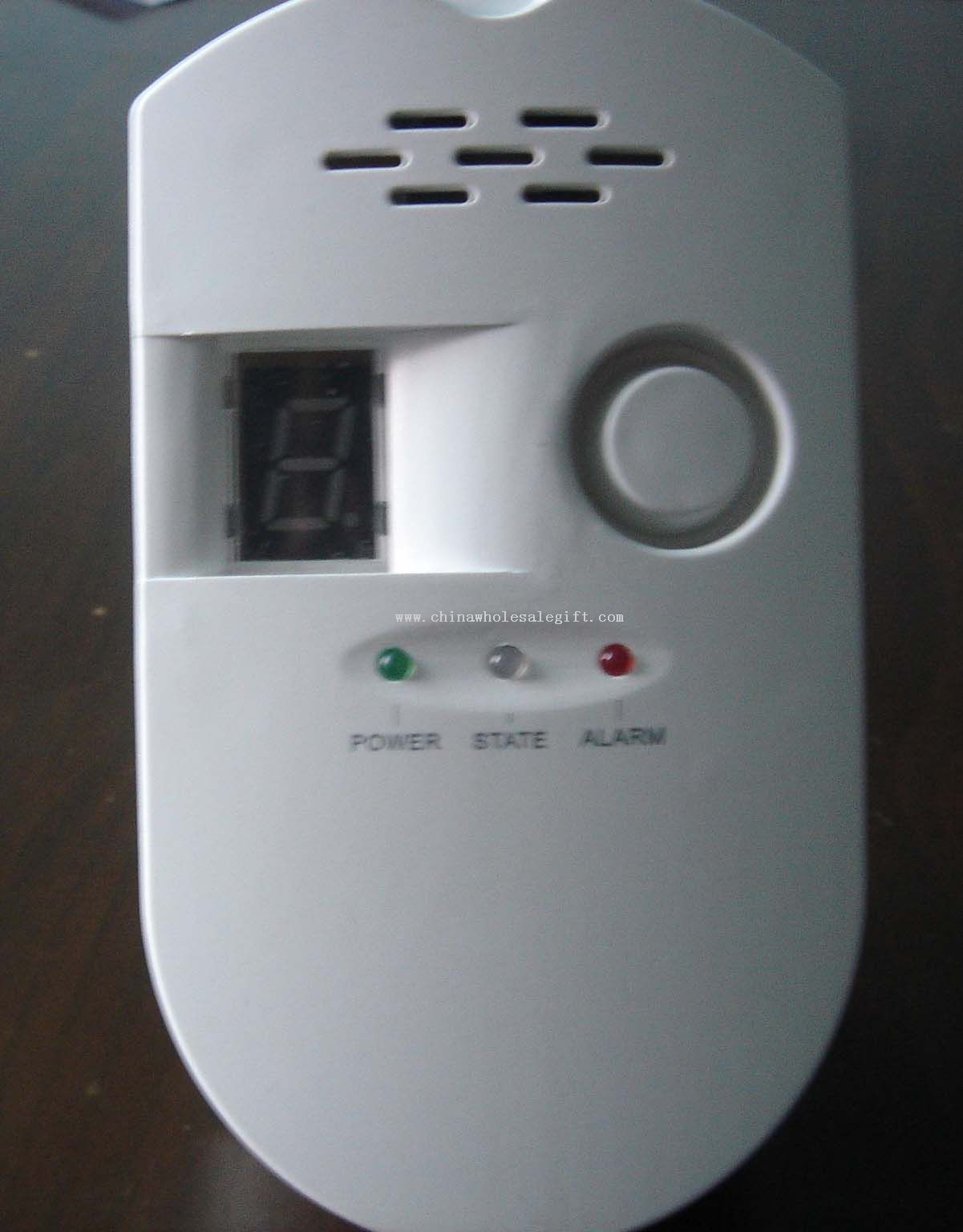
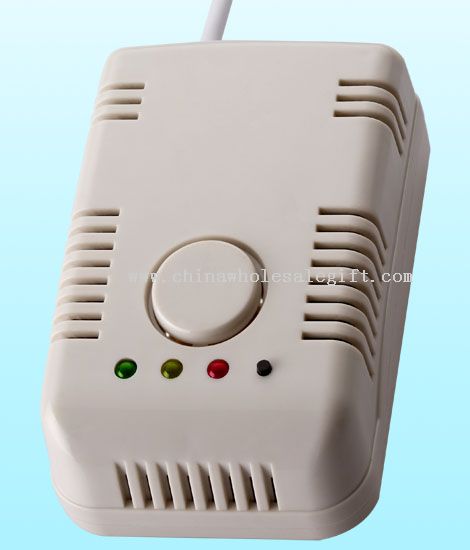
Most units are wall-mounted or plugged into a nearby outlet and use a sensor element that reacts to combustible gas or carbon monoxide in the surrounding air. The CO and gas alarm combination models cover both hazards with one housing, while versions with an LED level indicator show rising concentration at a glance. Placement guidance favors areas near stoves, water heaters, and gas lines, mounted at the height the sensor type favors.
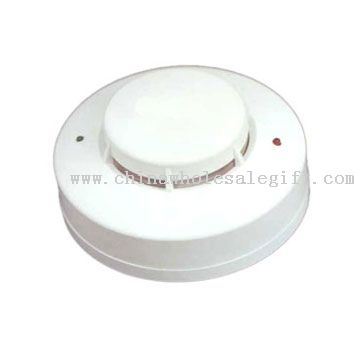
Wholesale buyers typically work through importers, distributors, and promotional suppliers who stock alarms alongside smoke and heat alarms for household safety programs. Retailers and property managers assemble mixed orders from this shelf, pairing a GN gas alarm with passive infrared detector or door window alarm lines for complete residential kits. Promotional buyers appreciate a practical item that suits utility, insurance, and property management campaigns.
For end users, the everyday appeal is simple: an audible warning, a visible status light, and a housing that fits discreetly into a kitchen or utility room. A detector that runs quietly for months and then responds quickly to a test spray earns its place. Households with older relatives or rental units often add one near a gas water heater for reassurance.
Buyers inspecting samples should check sensor type and response behavior, housing material and finish, indicator clarity, and how easily the unit resets after an alarm. Confirm the power source and mounting method match the intended market. Comparing the hot wire type sensor option against standard sensing elements helps match each alarm to the rooms and gas types it will serve.
29 products · page 1 of 2