GSM Bug
Audio sent over cellular networks is the territory of GSM bug, a compact-hardware grouping inside the security products family. The listings combine the core transmitter units with related telephone-recording apparatus, reflecting a trade that serves professional monitoring and documentation rather than consumer novelty.
The customer base for this category is tightly defined: licensed security contractors, loss-prevention departments, investigative services, and property or fleet managers who document audio in spaces they own or are engaged to protect. These buyers purchase through established distribution channels, expect professional-grade build quality, and typically integrate the units into broader service contracts.
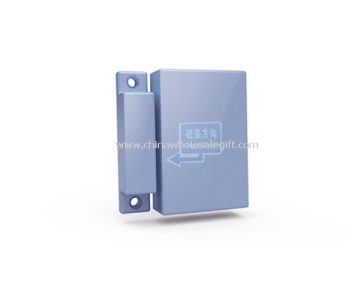
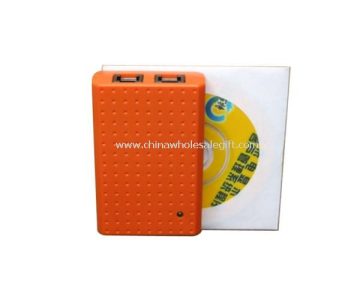
Physically, the class favors small, unobtrusive enclosures designed to sit unnoticed inside equipment, vehicles, or premises hardware. Engineering priorities are reliable network attachment, clear audio capture at conversational distance, and power arrangements that survive extended deployment, often drawing from mains or vehicle supplies rather than internal batteries.
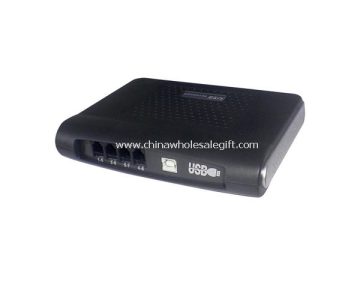
A neighboring listing in the same grouping covers telephone recording systems, which document fixed-line conversations at the handset or the line itself. Buyers serving office and call-center clients frequently pair the two: cellular units for mobile coverage, line recorders for desk-based capture.
Sourcing attention should focus on audio quality, network compatibility across carriers, and how the units are configured and managed. Because deployment is technical, suppliers who provide clear documentation and configuration support substantially reduce the support burden on the distributing partner.
One caution belongs in every buy plan for this category: surveillance law differs by jurisdiction, and confirming the regulatory position in destination markets before ordering is a routine step in a professional buyer's compliance process, alongside verifying the intended-use profile of their own customers.
3 products