HDMI Splitter
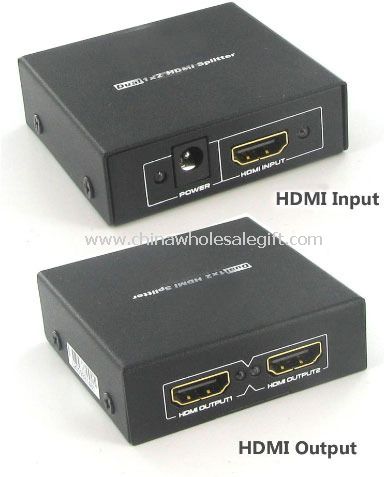
A single HDMI source feeding two displays at once is the everyday problem this category solves, whether a retail counter mirrors a promo loop to a second screen or a conference room clones a presenter's laptop feed to a wall monitor and a projector. These splitters take one input and distribute it to multiple outputs without a switcher in the chain.
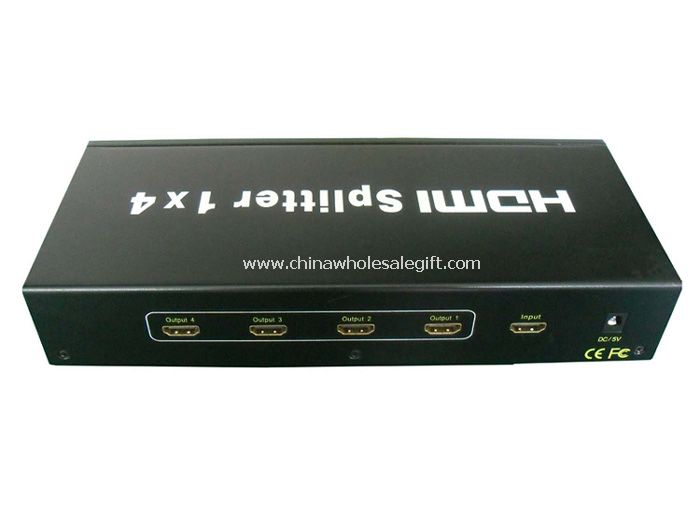
Construction is straightforward and built for rack shelves and back-of-counter installs. A metal or hard plastic housing protects the internal distribution board, and short captive pigtails or standard female ports keep cable strain off the connector shells. Units in this band typically carry a compact wall adapter or draw power from a nearby USB port, and status LEDs confirm signal lock at a glance.
Wholesale buyers should confirm port counts and connector gender before committing to a program, since some models present a fixed male-to-male tail while others accept ordinary cables. Check that the splitter passes the resolution and refresh rate your accounts actually use, ask how it behaves with HDCP-protected content, and compare power options. Verify the housing finish and packaging match the shelf presence your channel expects.
Promotional suppliers favor these units because they pair naturally with printed HDMI adapters, flat HDMI runs, and male to male leads in the same order. Event teams use them to duplicate signage feeds, schools split a lecture feed to overflow rooms, and small offices clone a dashboard to a lobby display. The hdmi switcher sits nearby for buyers who need routing rather than duplication.
End users care about one thing above all: plug in and see the same picture on both screens. Practical checks include confirming both outputs stay live at the rated resolution, that no visible lag appears on the mirrored feed, and that the unit runs cool after hours of operation. Documenting input and output counts on the box helps buyers self-select and cuts returns.
4 products