Hospital Blanket
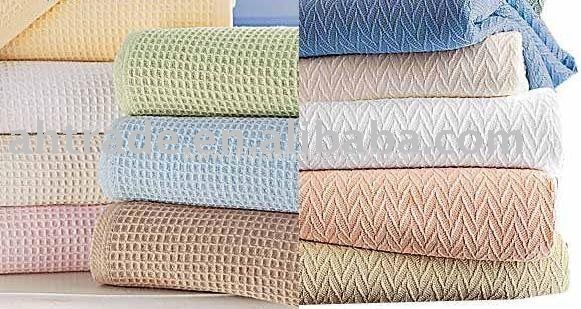
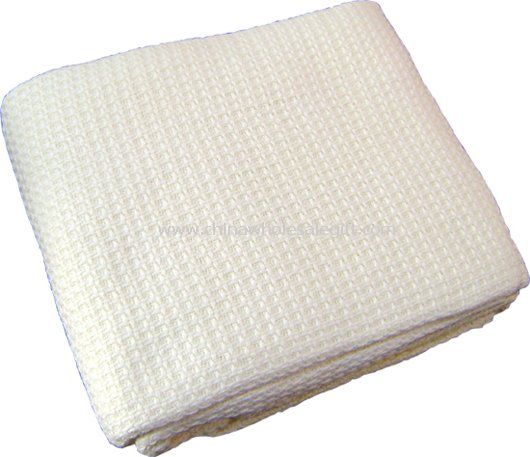
Hospital blankets sit at the intersection of softness and structure, built for waiting rooms, recovery wards, and the everyday comfort of patients at home. Each piece in this small but focused group is designed to hold up through repeated laundering while staying gentle against skin. The shelf gathers three direct options, all grouped under hospital blanket, so buyers can compare construction and finish side by side.
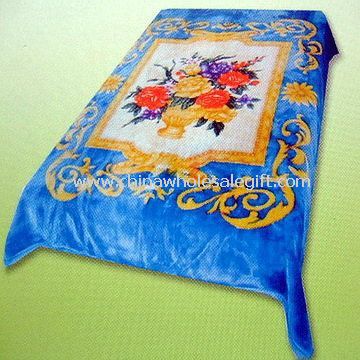
Construction favors dense woven face cloth or tightly finished fleece, with bound edges that resist fraying after repeated washing. Many examples use a polyester blend for shrinkage control, while others lean on acrylic for a softer hand. Neutral tones dominate because they hide wear and match institutional linen programs. Buyers should confirm finished dimensions after wash, seam security, and whether the fabric meets the colorfastness expectations of a busy laundry cycle.
Promotional suppliers and distributors buy this family for healthcare accounts, nursing homes, clinic waiting areas, and disaster relief kits. Hotels and hospitality programs also order them as a durable layer for guest comfort during illness. End users are patients recovering at home, caregivers, and families who want an institutional-grade cover without the institutional feel. That dual audience means buyers should check retail-ready packaging and labeling as carefully as the fabric itself.
On this shelf, it helps to weigh a hospital blanket against alternatives such as a wool blanket, a baby blanket, or a fabric blanket offered nearby. A fleece blanket is lighter for quick turnover, while a polyester blanket dries faster in commercial laundry. An acrylic blanket can feel softer initially but may pill sooner. These comparisons guide assortment planning when a buyer needs a dependable core rather than a novelty item.
Practical sourcing checks include verifying fiber content statements, inspecting edge binding and stitch density, and requesting wash-test samples before committing to volume. Ask about shade consistency across dye lots, since gray and pale blue are common specifications. Confirm packaging quantities suit your distribution model and that cartons survive handling. Keep the assortment simple, repeatable, and easy to reorder, and this category rewards steady demand with predictable turnover.
3 products