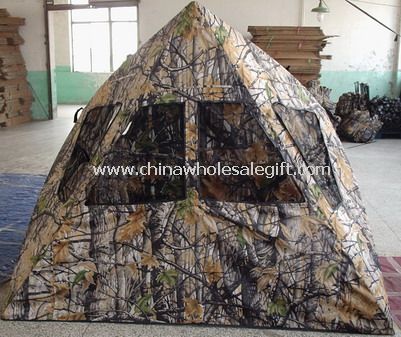
Hunting tents
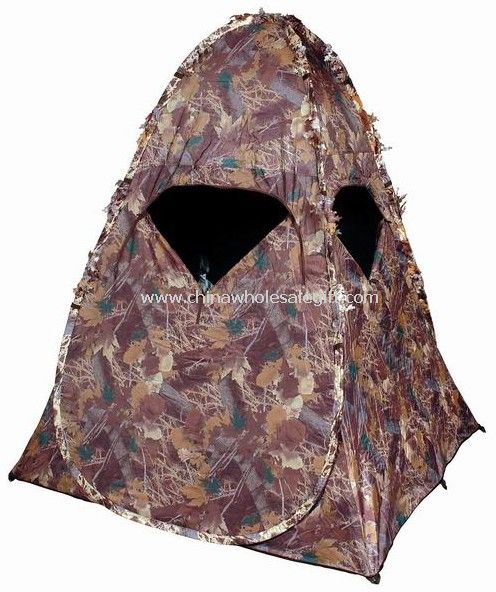
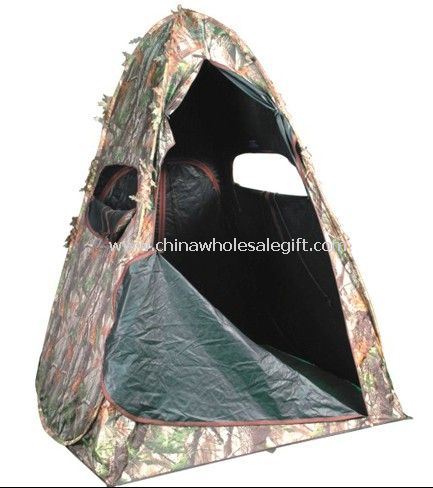
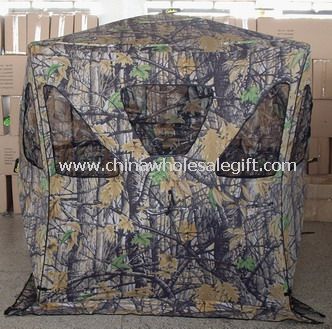
Hunting tents give hunters a concealed base in the field, from a dawn sit over a field edge to a multi-day camp far from the trailhead. This shelf gathers five direct options in the mid range, including a steel tube hunting tent built for repeated seasonal use and a compact hunting blind for closer concealment. Buyers can assemble a focused assortment without settling on a single format.
Construction favors fabrics that mute shine and hold their color under brush and weather. Frames range from sturdy steel tube sections to lighter poles, while stake points, guy lines, and ground skirts keep the shelter seated in wind. Look at the entrance layout, window flaps, and roof height to judge how easily a hunter can draw, glass, or wait in comfort.
Wholesale buyers should check fabric weight, stitching at stress points, pole joints, and the packed size that fits shipping cartons. A mid-range program usually balances durability against transport cost, and promotional suppliers will want consistent packaging and simple setup instructions. Request sample units, confirm replacement stake and pole availability, and test a setup before committing to volume.
End users are largely deer and waterfowl hunters, plus photographers and wildlife watchers who need a low-profile hide. Weight matters for hunters who hike in, while roomier interiors suit long sits with a tripod or a folding chair nearby. As with hunting backpacks, packed bulk and strap placement shape how far the shelter travels easily on foot.
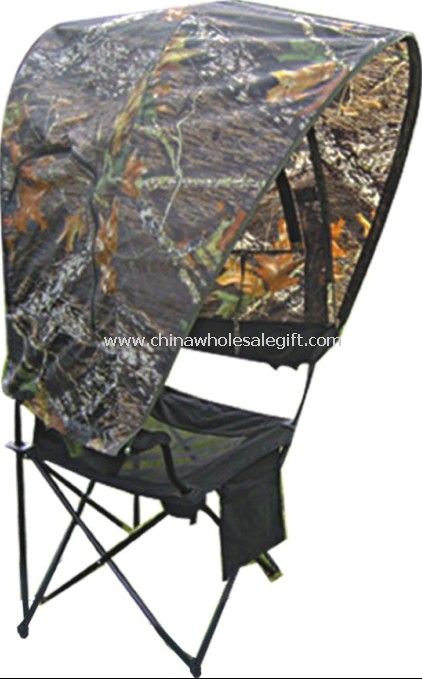
Place this family near the hunting blind and support gear so customers can compare formats at a glance. Cross-sell with a hunting chair for comfort, binoculars for glassing, and flashlights for late walks back to camp. A clear description of footprint and height on the shelf helps both buyers and hunters choose correctly.
5 products