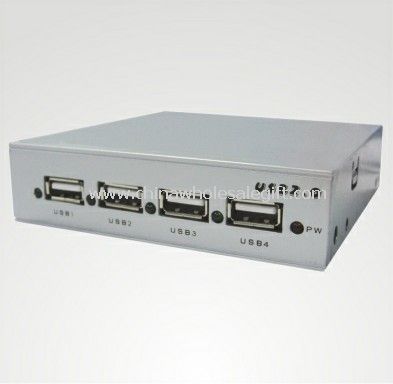
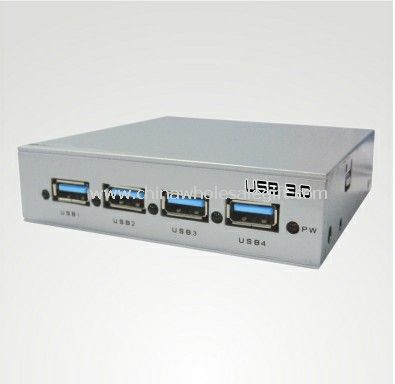
Internal usb hub
An internal usb hub is the small board that turns one header inside a computer case into several usable ports, and it earns its place where rear-panel access is awkward or already crowded. Builders reach for one when a mini itx case leaves no room for a front-panel cluster, and promotional buyers like it because the finished gadget feels integrated rather than clipped on.
The boards mount on standoffs or tuck behind a drive cage, drawing power from the motherboard header and splitting a single channel across downstream ports for keyboards, flash drives, and card readers. A four port usb hub layout keeps cable runs short, which matters in compact chassis. Buyers should confirm header pitch, mounting hole spacing, and whether the board ships with screws and a short pigtail lead.
Retailers and distributors order these in modest quantities alongside mini usb hub siblings, since the same customer often wants a plain internal board and a compact external unit in one shipment. Corporate gift programs occasionally pick them for tech-themed kits, though the audience is narrower than for a cube usb hub or a novelty usb hub aimed at desk accessories.
End users are usually system builders, repair shops, and office it staff refreshing aging desktops, and they care about stable power delivery and tidy routing more than cosmetics. A hub that browns out under load is worse than no hub at all, so check that each port can carry a modest peripheral draw and that the upstream lead is long enough to reach the header without strain.
For sourcing, inspect solder joints, port retention, and whether the board carries any surge protection at the input. Ask for a sample and test it with a mix of low and high draw devices. The mid range price band leaves room for shielded cable and a sturdier connector, which is where cheap boards usually cut corners.
2 products