Keylogger
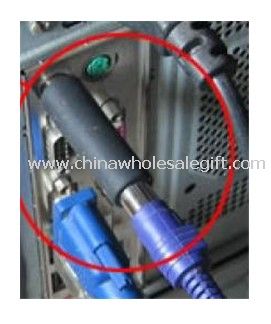
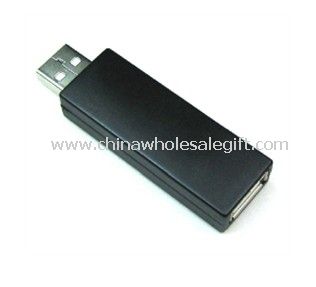
Keystrokes captured in hardware are the subject of Keylogger, the inline oversight grouping in the security products family. Models span the legacy keyboard-port format and the current USB format, giving buyers coverage for both older office machines and modern desktops from a single category.
The legitimate trade is substantial. Parents use these units to supervise children's online activity, system administrators audit access on shared or kiosk machines, and employers deploy them on company-owned equipment as part of documented monitoring programs. In every case the device sits openly in the keyboard path, which is what distinguishes lawful oversight from covert intrusion.
That open-placement character shapes the hardware. Because the unit is a visible inline adapter rather than hidden software, it needs no drivers, survives operating-system reinstalls, and collects data independently of anything running on the machine, and for administrators that independence is the point: the record exists even if the system is compromised.
Data retrieval is typically local, with keystrokes stored in internal memory and an administrator collecting them through a software utility or by switching the device to a typing mode. This offline design keeps the category simple to sell and support, though it means the trade serves deployments where physical access is routine.
Within the security products family, this grouping serves the oversight end of the spectrum: equipment for people responsible for a machine's use rather than for external investigators. Distributors combining it with the detector and recorder categories can offer institutional buyers a complete accountability toolkit.
Verification should cover memory capacity, retrieval method, and compatibility with both wired and wireless keyboards, since the latter changes the electrical picture entirely. Honest use-case documentation for the destination market is also part of a professional buy plan.
2 products