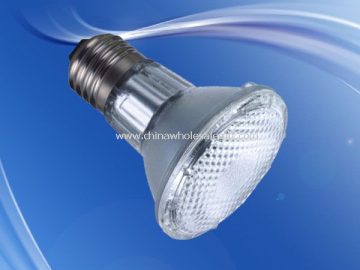
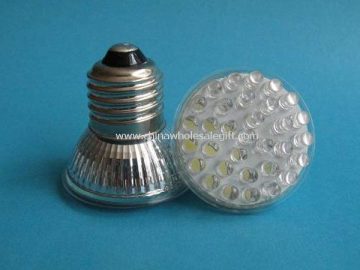
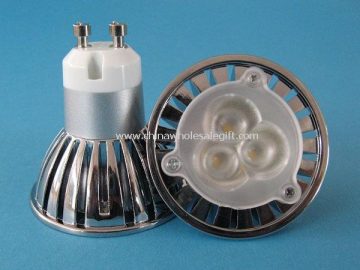
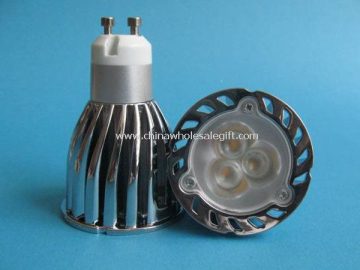
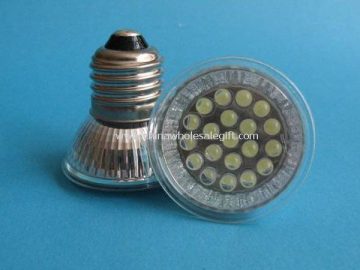
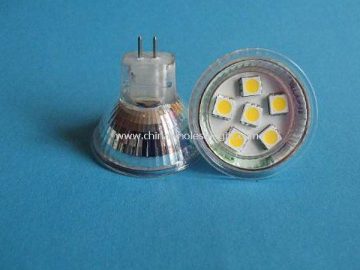
LED Downlight
A row of recessed fixtures clicks on above a trade-show counter, and the booth suddenly reads as polished rather than improvised. LED downlight units in this flash gifts shelf sit at the crossover between practical illumination and eye-catching display lighting. They suit buyers sourcing mid range giveaway pieces that still feel substantial, and they work equally well for end users who want a clean, built-in look instead of a loose lamp on a stand.
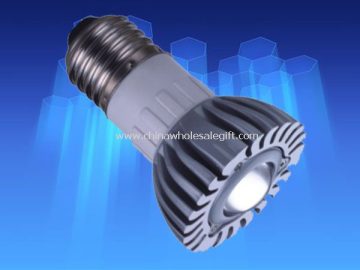
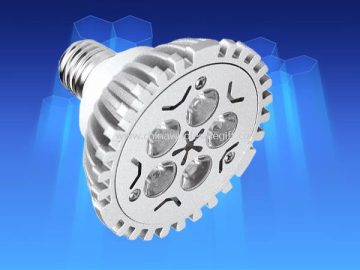
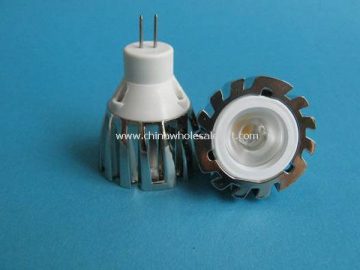
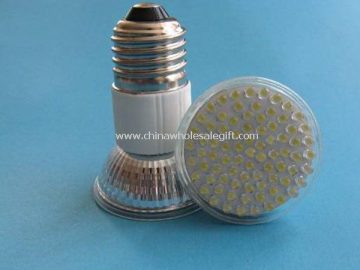
Each down light is designed to sit flush or near-flush in a panel, ceiling tile, or display board, so the lit surface stays uncluttered. Housing, trim, and lens are the parts to inspect first. Buyers should check whether the body is aluminum or a lighter composite, how the lens is seated, and whether the fitting allows surface mounting or needs a cutout. A tidy trim ring hides rough edges and keeps the front looking finished.
Lighting behavior separates one model from another. Some units throw a tight pool of brightness for accenting a single item, while others spread a softer wash across a wider area. Color temperature shifts the mood as well, from crisp neutral white to a warmer tone that flatters merchandise. Ask suppliers for beam descriptions and sample units before committing, since photographs rarely capture how a downlight actually reads on a shelf or table.
Wholesale buyers moving volume should confirm how units are packed, whether fittings ship individually boxed or bulk, and how consistent the trim finish is across a carton. Electrical input varies by market, so request the driver specification and voltage options in writing. For promotional suppliers bundling these with flashing coasters, light sticks, or a light up sunglasses set, matching brightness levels across a mixed order keeps the offer coherent.
End users typically install these in retail counters, exhibition walls, home bars, and display cabinets where a focused glow lifts the presentation. Because the footprint is small and the look is modern, they blend into both commercial and residential settings. Buyers placing a first order should request working samples, test switching and dimming behavior, and inspect trim alignment, since small tolerances decide whether an installed row looks deliberate or uneven.
11 products