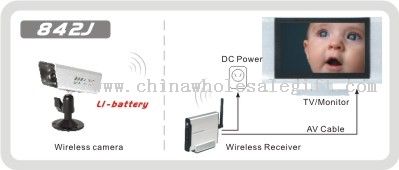
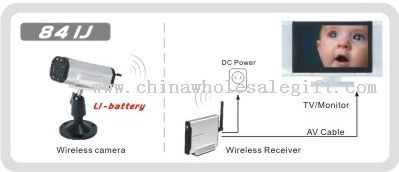
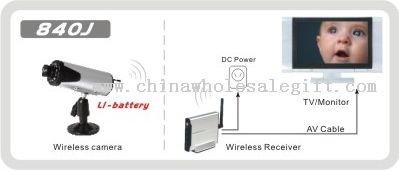
Li-battery Camera
A built-in lithium cell turns these camera kits into a cable-free proposition. Units can be mounted on a shelf, a porch post, or a temporary site within minutes, then repositioned when the layout changes. No wiring means no electrician and no drilling. Placement follows the need, not the socket.
Listings mix dedicated battery camera kits with mobile wireless variants, all sharing a portable bias. Recharge intervals become the practical constraint, so internal capacity and charging method deserve close attention. Charging through a standard cable keeps the habit simple, and capacity claims should be tested under load.
Because the camera travels, cases are shaped for quick mounting: flat backs and small footprints that tuck into corners and along shelves without a permanent installation. A case that survives a drop sells itself to rental buyers. Adhesive pads and simple screws cover the usual mounting jobs.
Typical channels include rental-property managers, event organizers needing temporary coverage, and mobile traders. The end user values repositioning freedom over recording depth. Seasonal events drive repeat purchases of the same platform. Property managers move cameras between vacant units.
Branding is usually a printed mark on the shell. OEM projects can adjust case color, battery marking, and accessory contents such as brackets and cables. A neutral gray shell suits both home and trade settings.
Standby behavior across a full duty cycle deserves a sample run before scaling an order. Pairing camera stock with chargers or spare cells in the same catalog simplifies the customer's setup. Charging accessories should ship in the same carton where possible.
3 products