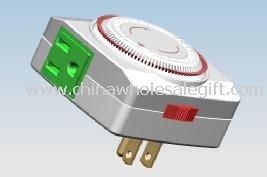
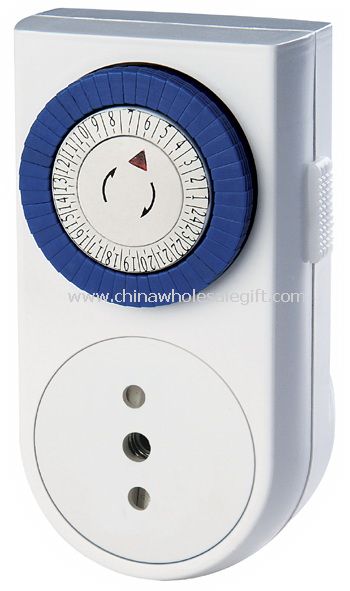
Mechanical Timer
Spring-driven movement and plug-in scheduling define this group of devices. A peg, a tab, or a rotating dial marks the on and off points, and the unit switches a lamp, a pump, or a fan without any screen or cell. The absence of powered circuitry is the selling point.
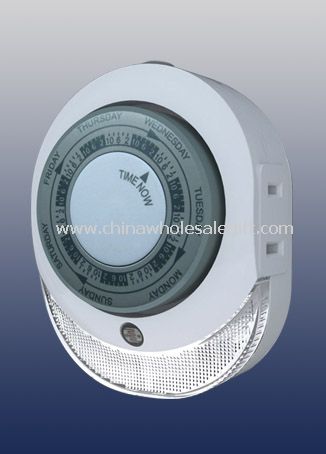
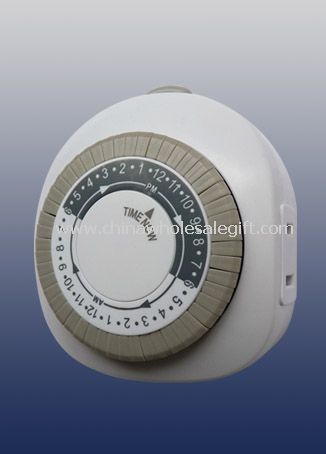
The common shapes are a socket adapter that sits between a plug and a wall outlet, a round dial mounted on a bracket, and a compact indoor unit with a sliding pin row. Contacts inside carry the mains load, so the rating stamped on the body guides which appliances a buyer can safely attach.
Demand comes from hardware retailers, electrical wholesalers, and home-improvement chains. Growers use the outdoor-rated models for lighting and pumps, while homeowners set them for lamps, fans, and holiday displays. Hospitality and facility crews add them to maintenance carts.
A buyer tests the detent at each pin, the crispness of the switch click, and whether the dial returns to rest after a full cycle. Loose pins, a soft contact, or a housing that warms under load all point to trouble. Weather sealing on outdoor models deserves the same scrutiny as the internal wiring.
Customization is limited but useful. Suppliers can print a brand on the face, choose a shell tone to match a retail line, and supply the unit in a printed carton for a promotion. Bundled sets that cover several intervals let a distributor answer more customer requests from one order. Beyond the home market, the same bodies appear in commercial settings where a simple schedule beats a networked control, such as a stockroom fan or a shop sign that must switch on each evening.
6 products