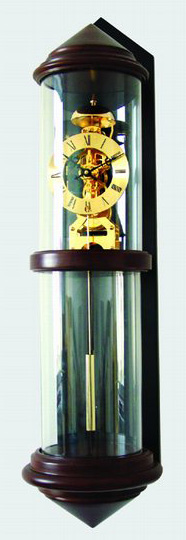
Mechanical wall clock
A mechanical wall clock marks time with wound springs and swinging pendulums rather than a battery, and the gentle tick from its case is often the first thing a visitor notices in a quiet room. This shelf carries a single direct item in the mid range, sitting alongside the solid wood wall clock that anchors the broader horologe gifts selection.
Inside the case, a mainspring stores energy that a gear train releases at a measured rate, while an escapement and balance or pendulum regulate each beat. Owners wind the movement on a regular schedule, usually once a week, and the ritual of turning the key becomes part of the clock's charm rather than a chore.
The appeal spans both sides of the trade. Promotional suppliers favor a mechanical piece for executive gifts because it feels weightier and more considered than a quartz analog wall clock, and importers can build a story around craftsmanship for retail buyers. End users tend to be collectors, hobbyists, and anyone furnishing a study or hallway with traditional character.
Sourcing checks should start with the movement: confirm the winding interval, the pendulum or balance type, and whether the chime mechanism is optional. Inspect the case material and finish, especially on wood, and test that the gear train runs smoothly without catching. Buyers comparing this shelf with a metal wall clock or a plastic wall clock should weigh perceived value against freight weight.
Packaging deserves early attention, since pendulums and weights travel poorly when loose. Ask how the movement is secured during transit and whether assembly instructions are included for the end user. Sample a unit, wind it fully, and observe it across several days before committing to a larger order for gifting or resale.
1 products