Mummy sleeping bag
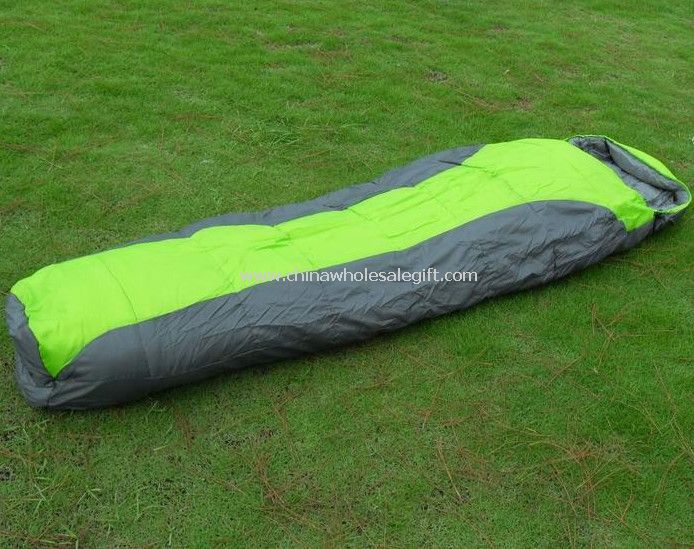
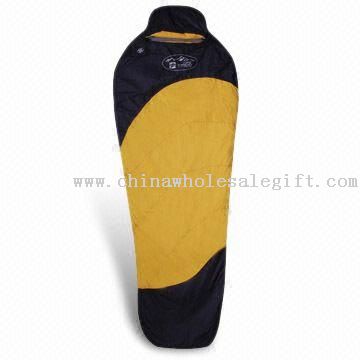
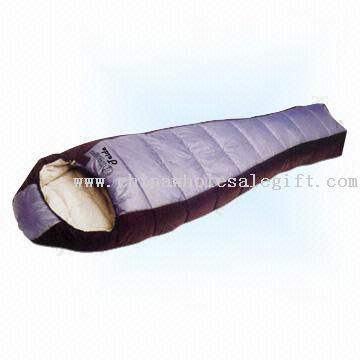
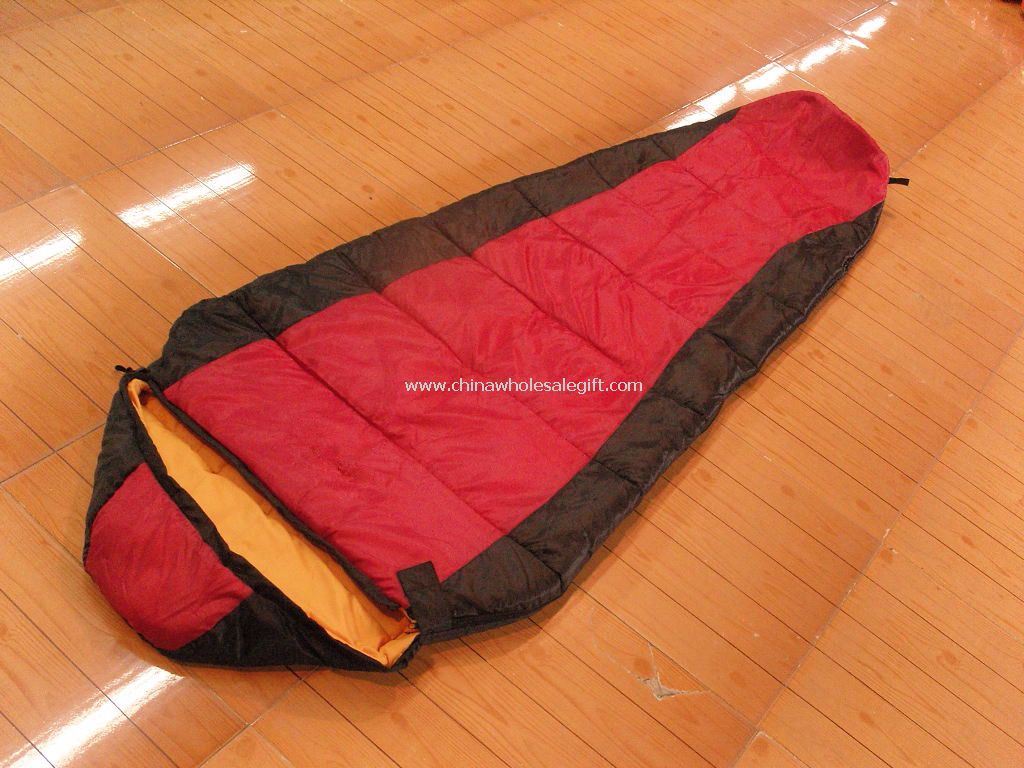
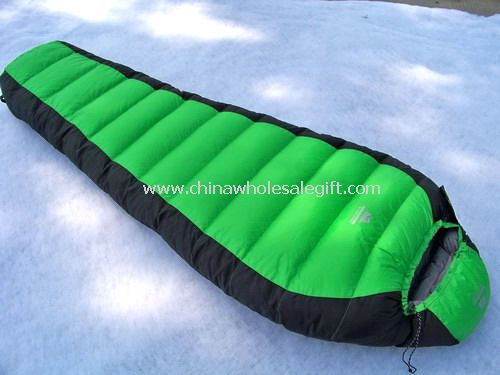
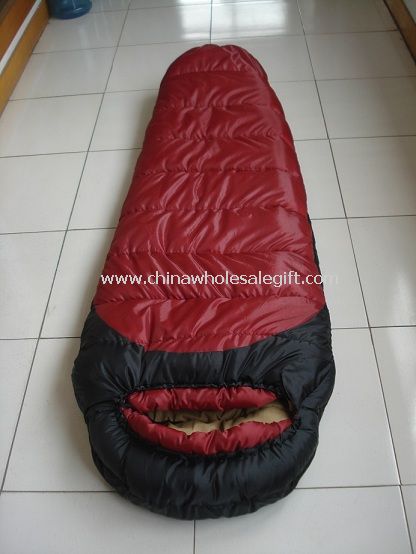
A mummy sleeping bag tapers from the shoulders toward the feet, trimming bulk where warmth escapes and leaving room only where a sleeper needs it. That shape is the reason the format suits cold-weather camping, backpacking, and promotional programs built around compact gear. The seven styles on this shelf share that silhouette, and each one trims weight or adds insulation according to its intended use.
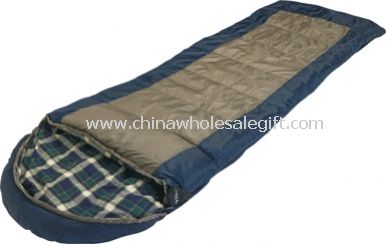
Construction begins with the shell and lining, usually a smooth synthetic fabric chosen to resist wear and shed moisture. Insulation follows, and the hollow fiber filling used across several options traps air without adding much packed size. A fitted hood frames the face and seals the opening, while a draft tube along the zipper blocks chilled air from creeping in at the closure.
The range splits along warmth and weight. A thin mummy sleeping bag favors summer trips and travel where space matters, while a warm mummy sleeping bag carries extra fill for shoulder-season nights. Mid-range pricing keeps the family accessible to both bulk buyers and individual campers, with the hooded and hollow fiber variants sitting closely alongside the core styles.
Buyers sourcing for distributors, outfitters, or corporate gift programs should confirm shell fabric, fill weight, and packed dimensions before committing to a run. Check the zipper and draft tube stitching, the hood drawcord, and the stuff sack that ships with each unit. Temperature ratings should be consistent across sizes and backed by a specification sheet rather than a label alone.
End users include backpackers counting grams, scout groups equipping a troop, and travelers who want a compact bag for hostel bunks. The tapered cut rewards anyone who sleeps in a curled position and dislikes excess fabric at the feet. For wholesale accounts, a shelf organized around warmth levels makes the buying decision simpler for every customer in the chain.
7 products