Network/IP camera
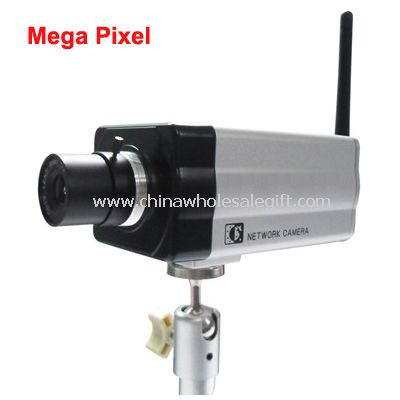
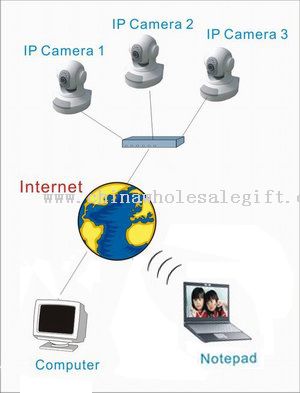
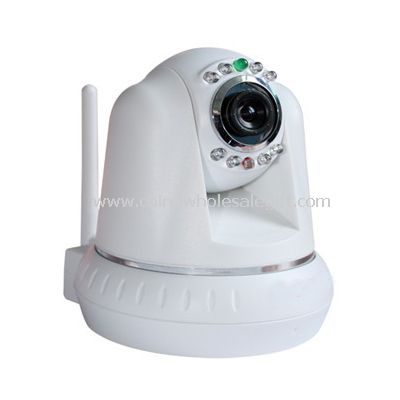
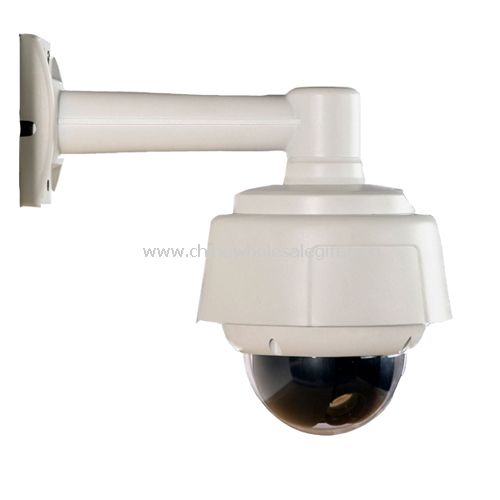
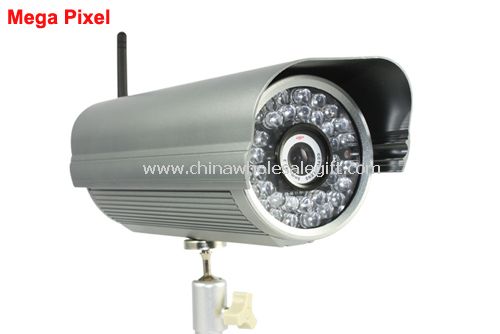
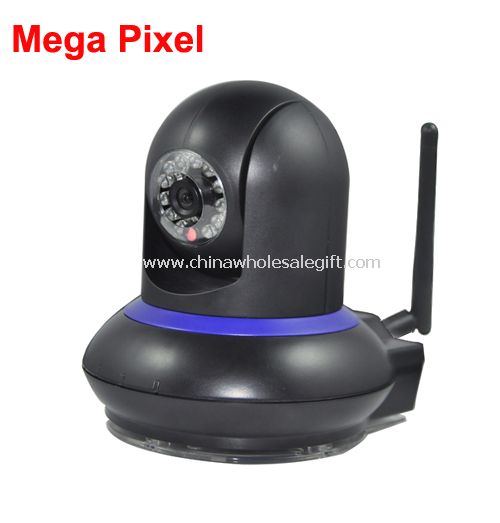
Networked surveillance represents the professional end of the camera branch. These units stream over an IP connection, and the range covers dome and speed-dome bodies, megapixel sensors, and weatherproof shells for exterior walls. Configuration happens over the network rather than on the device.
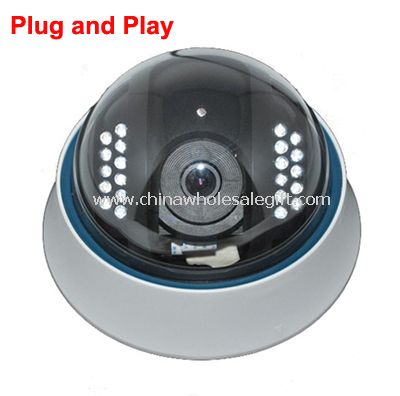
The assortment splits by mounting environment: indoor domes for lobbies and corridors, vandal-resistant speed domes for exposed locations, and sealed outdoor units for perimeter duty. Cable routing and sunshields mark the exterior-ready builds. Dome shape signals the intended ceiling or eave.
Installation context separates this grouping from the wireless kits nearby. Buyers here are usually system integrators, security contractors, and enterprise procurement teams rather than gift channels. Technical documentation and parts support weigh heavily in repeat orders, so manuals should ship in the local language.
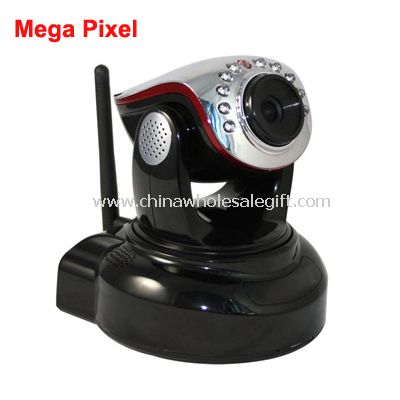
Feature tiers run from plug-and-play domes for small installs to high-speed pan-tilt heads covering wide areas. Sensor class and enclosure rating define which jobs a unit can take. Lens choice decides field of view for corridors versus open yards. Pan-tilt presets matter to operators covering a wide yard.
Branding on the hardware is minimal — a shell label or a carton print — while OEM demand concentrates on housing color, mount options, and documentation language per market. Some accounts request neutral housings for heritage buildings.
Match sensor class and enclosure rating to the site, and plan the catalog around installer needs: mounting hardware, cabling notes, and configuration access. This audience buys projects, not gadgets. Sample installs should be photographed for the catalog. Spare mounts belong in the same catalog.
8 products