Non-woven bags
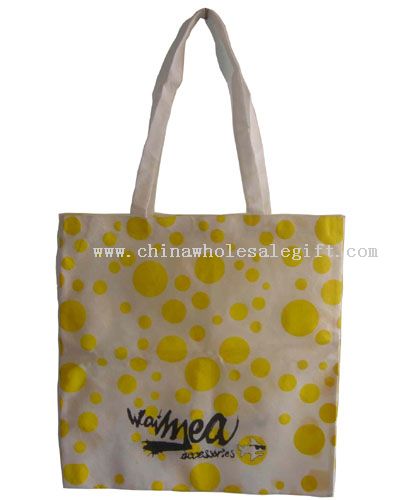
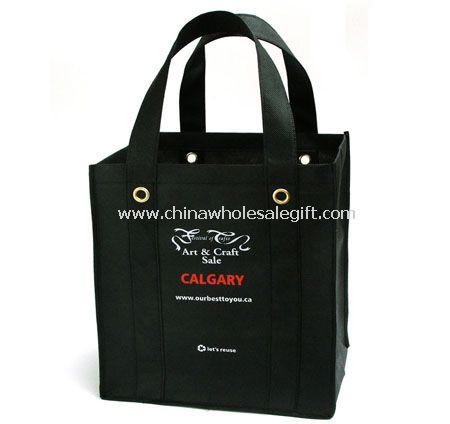
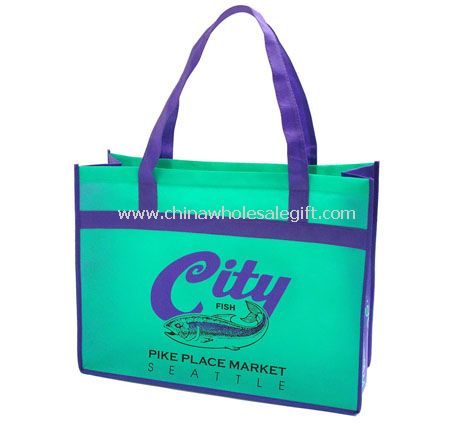
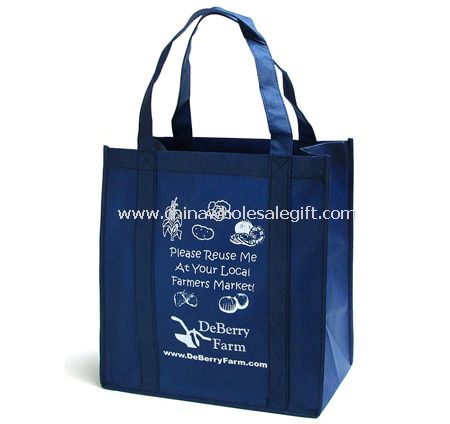
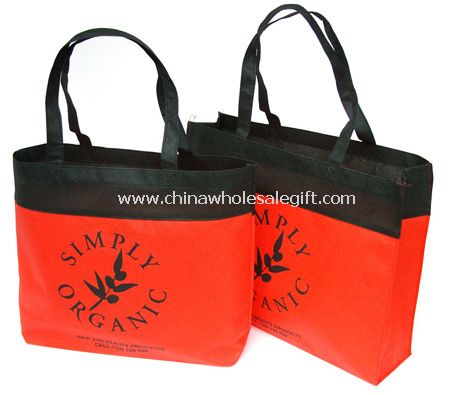
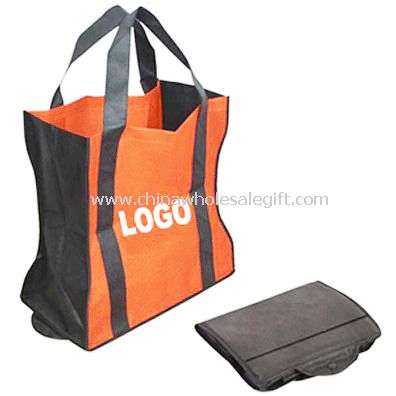
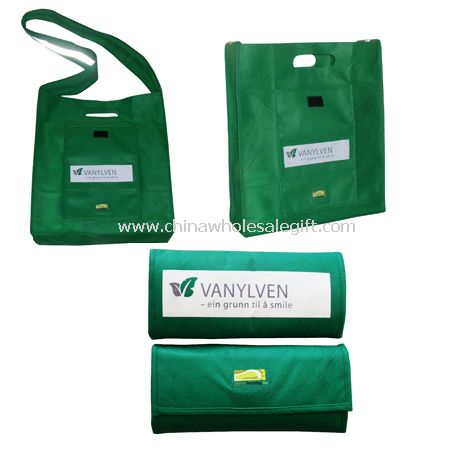
Stacked flat on a warehouse shelf or folded into a trade-show tote, non-woven bags are the workhorse of the promotional gift aisle. The fabric is a bonded fiber sheet, cut and stitched into handles, gussets and reinforced seams. This mid-range shelf covers the full spread of shapes a buyer expects, from a roomy shopping tote to a compact folding pouch that slips into a glove box.
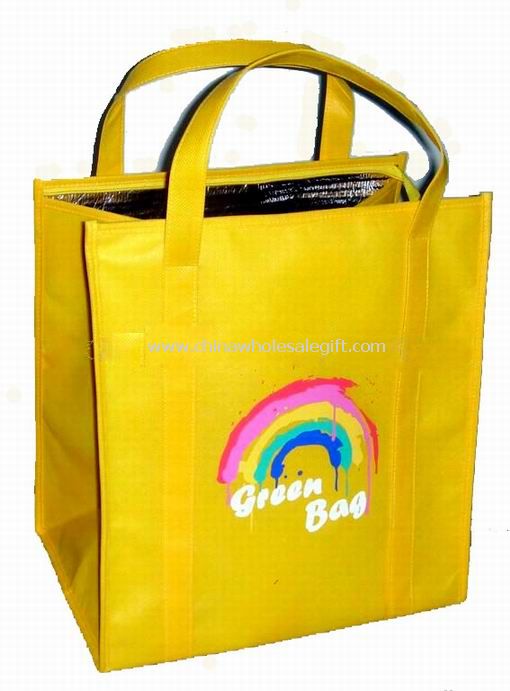
Construction is straightforward and built for repeat trips. Panels are sewn rather than glued, handles are stitched through the body, and a laminated or coated finish adds stiffness and wipe-clean durability. The stitching on a non woven tote bag matters most: check that handle anchors are double-row and that the base seam carries the load. A cooler bag version adds an insulated lining for groceries and picnics.
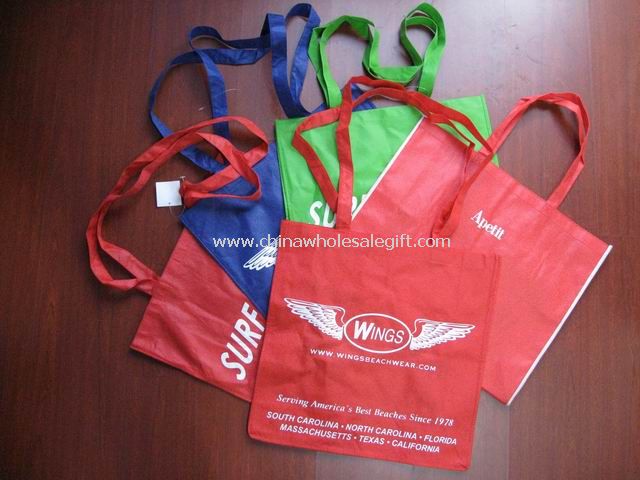
Buyers for distributors and promotional suppliers favor these bags because decoration is forgiving. Screen printing, heat transfer and embroidery all take well to the flat surface, so a logo reads cleanly at a distance. Imprinters should confirm the panel is free of folds and that the print area clears the handle joints before art is finalized. End users simply want a bag that stands up and folds away.
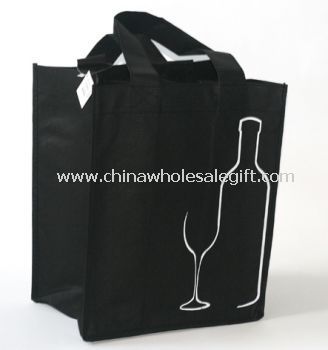
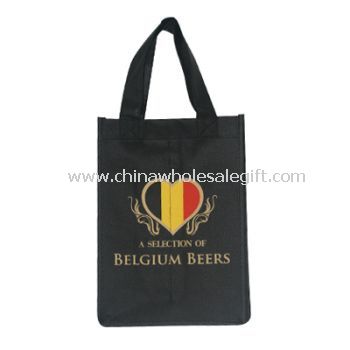
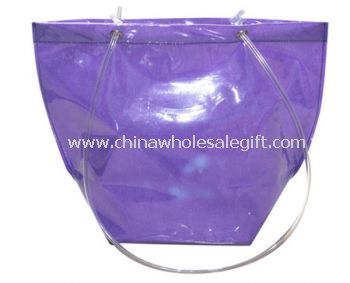
End users range from supermarket shoppers to conference attendees to wine-shop regulars. A wine bag carries a bottle safely, a folding shopping bag lives in a purse, and a non-woven and PVC shopping bag handles heavier loads with a clear, water-resistant face. Hospital gift shops, real estate offices and event organizers all use them as practical handouts that get carried home.
Practical sourcing checks come down to fabric weight, handle attachment, seam quality and color consistency across the run. Ask for a sample to test the load and inspect the finish on the handles. Confirm the gusset depth suits the intended contents, and verify that the gray, black or bright shades match the agreed swatch from lot to lot.
12 products