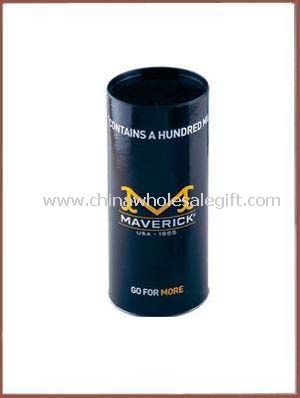
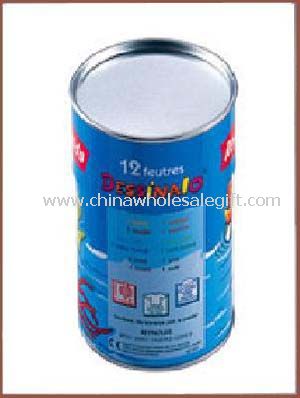
Paper box
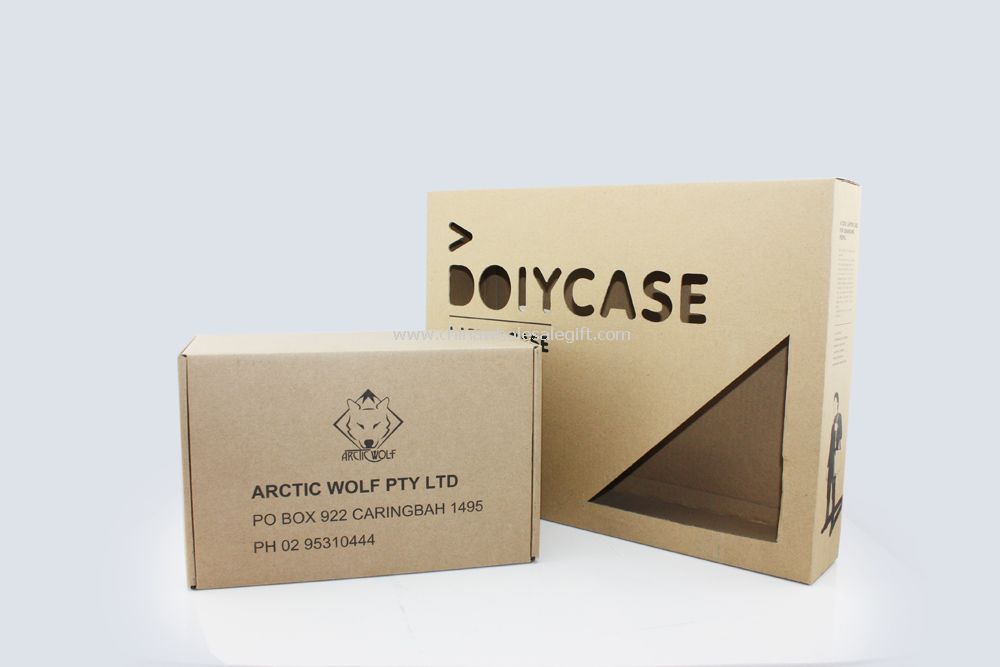
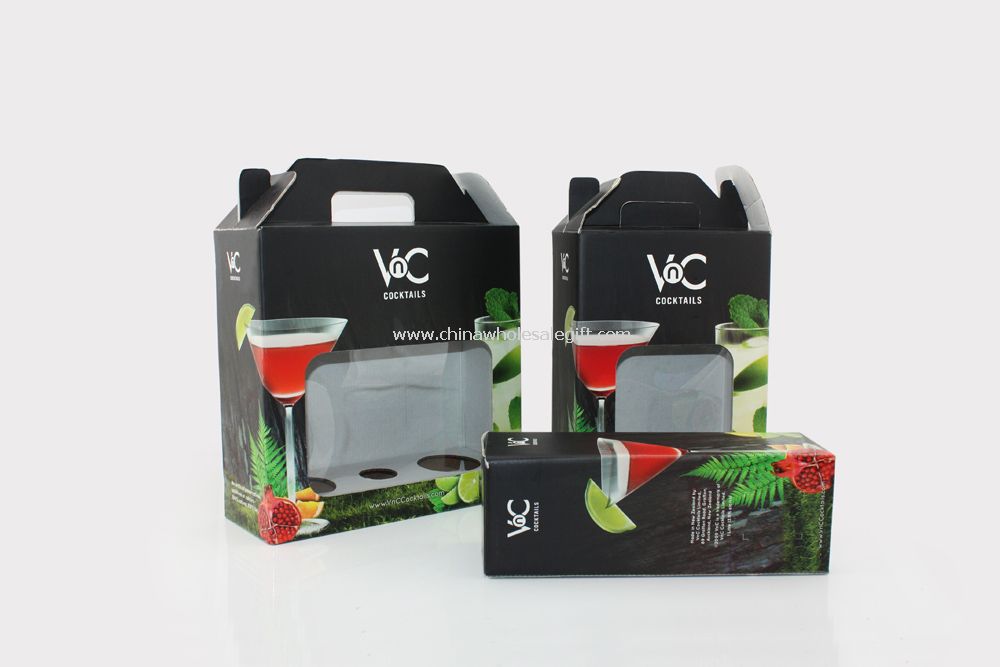
A folded paper box is often the first thing a recipient touches, lifting a lid or sliding a sleeve before the gift inside is ever seen. This shelf gathers six paperboard boxes sized for corporate business gifts, from compact presentation cartons to larger packing shells. Each one pairs printed or plain paper with a rigid or folding board structure, so the box carries the brand before the product does.
Construction favors wrapped paperboard over a stiff core, with magnetic closures, hinged lids, or telescoping trays depending on the format. Surfaces accept foil stamping, embossing, and matte or gloss lamination, which lets a promotional supplier match a client's palette. Buyers should confirm board thickness, corner reinforcement, and whether the wrap is glued or turned in, since these details decide how the box holds up in transit and on a desk.
Importers and distributors order these as presentation packaging for electronics, cosmetics, drinkware, and desk accessories. End users encounter them at award ceremonies, client appreciation drops, and trade show handoffs, where a box that opens cleanly makes a modest gift feel considered. The mid range price band suits volume programs that still want a premium unboxing moment without the cost of a rigid keepsake case.
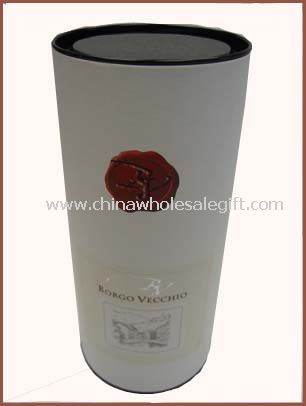
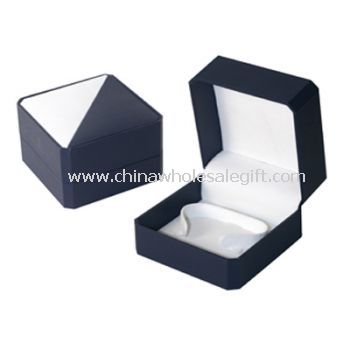
Practical sourcing checks start with a physical sample: open and close it several times, look for glued edges that lift, and test how the lid sits after repeated handling. Request a plain paper proof before approving print, and inspect a packed carton to see whether the box survives shipping. It also helps to review the wider shelf, including a paper tube with tin lid and tin base and a traditional style watch box, when a program mixes formats.
Print registration, color accuracy across a run, and consistency between reorders are the usual pressure points on paperboard. Ask how the manufacturer controls shade variation and whether the same die stays with the job. Because the box is light, freight is rarely the constraint; storage and assembly time often are. Ordering flat where possible and confirming how lids are packed keeps handling predictable for warehouses and fulfillment teams alike.
6 products