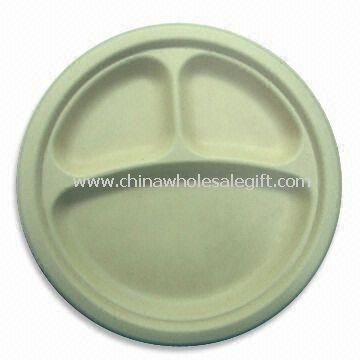
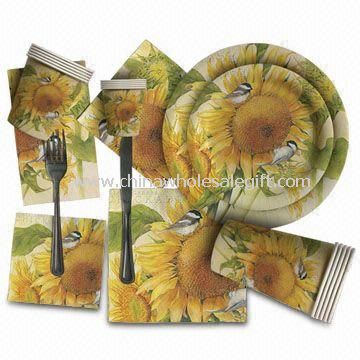
Paper plate
Paper plates move through a picnic, a staff lunch, or a sample table quickly and without fuss, and that steady turnover is exactly why wholesale buyers keep a plain white or natural kraft option on hand. The shelf here sits in the mid range, above the flimsiest disposable stock but below heavy tableware, so the balance of stiffness and cost matters most.
Construction centers on pressed paperboard, often with a thin coating that resists grease and moisture, and a rim pressed in during forming to keep the plate rigid when loaded. Buyers typically check diameter, rim depth, and board weight together, since a shallow rim and thin board spill what a deeper, firmer plate holds.
These plates suit promotional suppliers building picnic kits and corporate event packs, distributors serving caterers and food stalls, and importers filling a general disposable range. End users range from office managers stocking a break room to families planning a backyard gathering and event crews plating snacks under a tent. The paper napkins, plates, and cups set on this shelf supports cross-selling.
Ordering decisions turn on consistency between cartons, how the plates separate when fanned, and whether the surface stays flat when a fork presses down. Smart buyers request samples from more than one production run and check stacking height, since uneven stacking wastes carton space and slows service behind a counter.
Nearby shelves run from metal plate and steel plate to dinner plate, plastic plate, ceramic plate, melamine plate, porcelain plate, glass plates, charger plates, stainless steel sheets, printing plate, porcelain enameled plate, bamboo plate, and wood plate. Against that lineup, paper plates carry the lightest weight and the simplest disposal story, which is why they hold their own in the mid range.
2 products