Plastic telescope
A plastic telescope is the lightweight, low-cost entry point into the telescope shelf, built for daylight viewing, stage events, and casual skywatching. Bodies are molded in plastic with colored finishes, often with a tapered draw tube and a simple focuser, so a promotional supplier can hand one to a client without worrying about fragile housings or heavy shipping cartons.
Construction favors durability over optical ambition. Lenses are set in molded housings, joints are friction-fit or threaded, and the barrel is sized for handheld or tripod use. Buyers should inspect the focuser action, confirm the tripod thread matches common camera mounts, and check that lens caps seat firmly after repeated opening.
Wholesale buyers treat this shelf as a volume promotional line: branded giveaways, school science kits, museum shop impulse buys, and incentive gifts. Distributors compare carton cube and unit weight against the aluminum telescope and glass telescope lines, since plastic bodies lower freight cost per unit and survive rougher handling in transit.
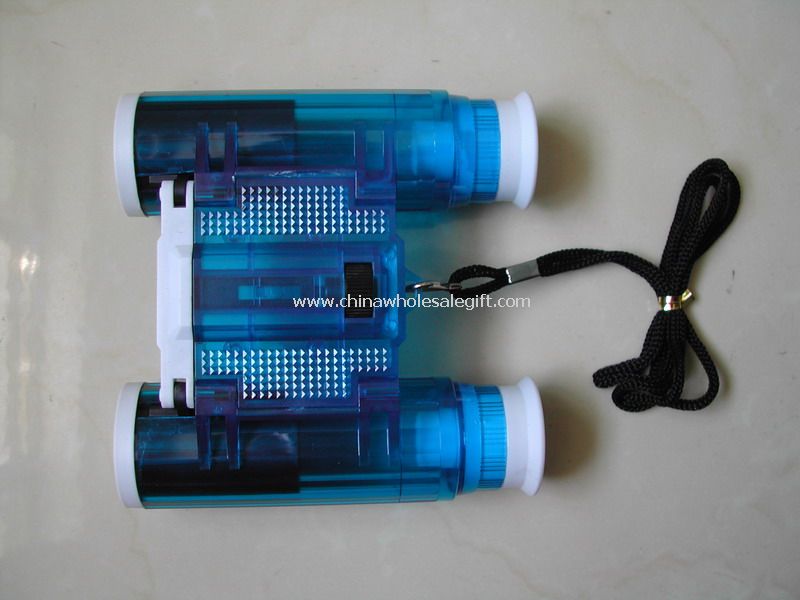
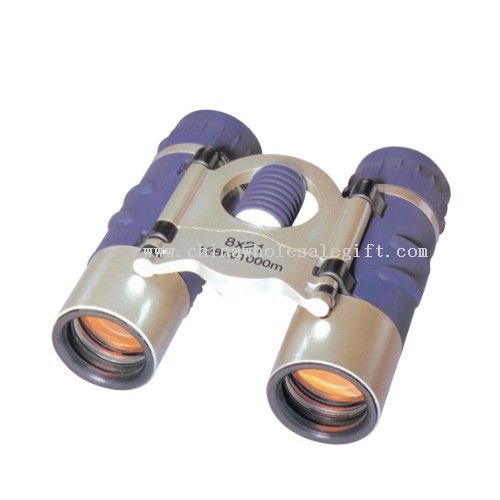
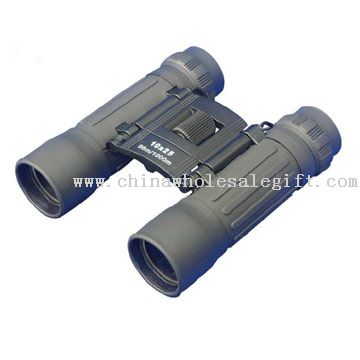
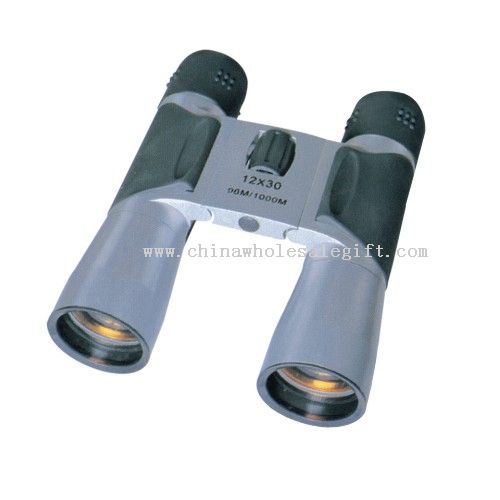
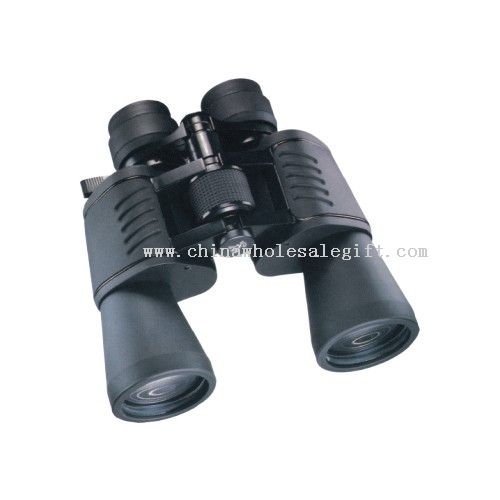
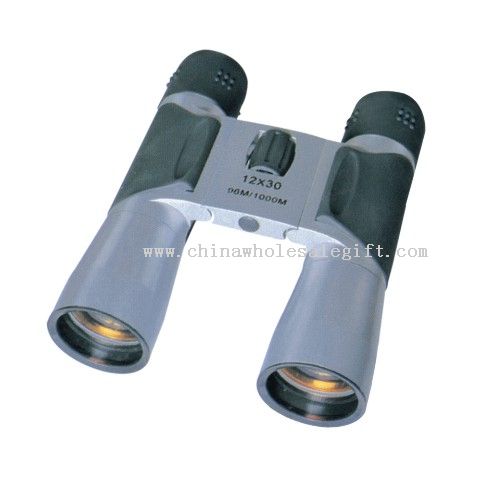
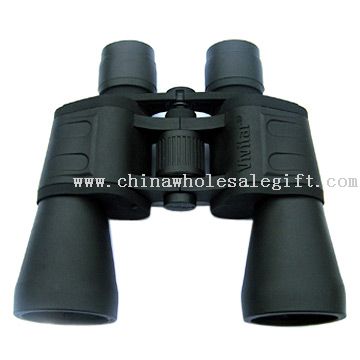
End users are families, hobbyists on a budget, and event spectators who want a pocketable scope for a stadium or a backyard. Binoculars remain the natural companion purchase for buyers assembling an outdoor or travel assortment, and many promotional catalogs place a plastic telescope beside binoculars to cover both handed viewing styles.
Sourcing checks center on mold quality, seam alignment, and color consistency across a production run. Request samples, verify the draw tube extends smoothly, and confirm the packing protects the lens from scuffing. Buyers should also review how the scope is organized in its retail box, because presentation drives sell-through on gift and souvenir shelves.
10 products