Projector
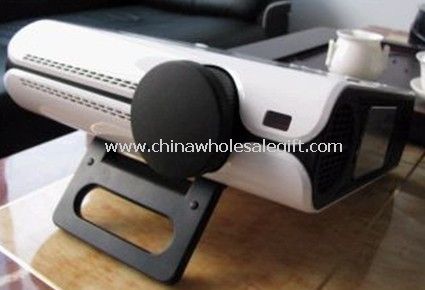
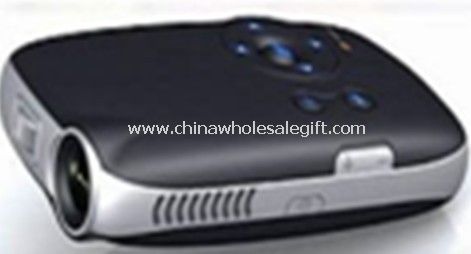
Big pictures from a small box define this aisle, where projection hardware turns a blank wall into a screen for film, games, slides, or a live talk.
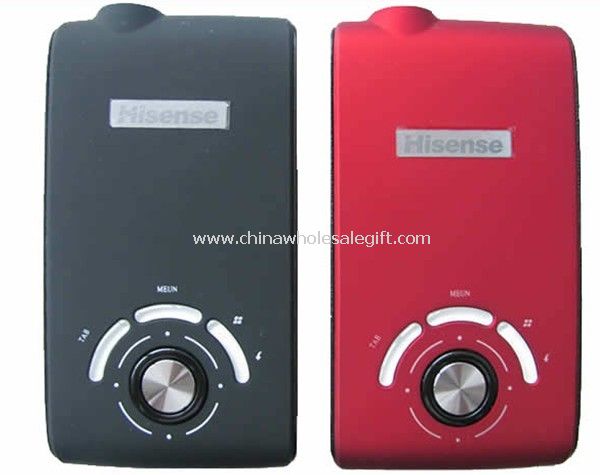
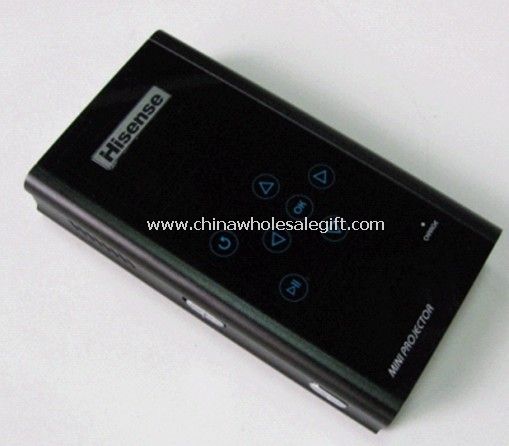
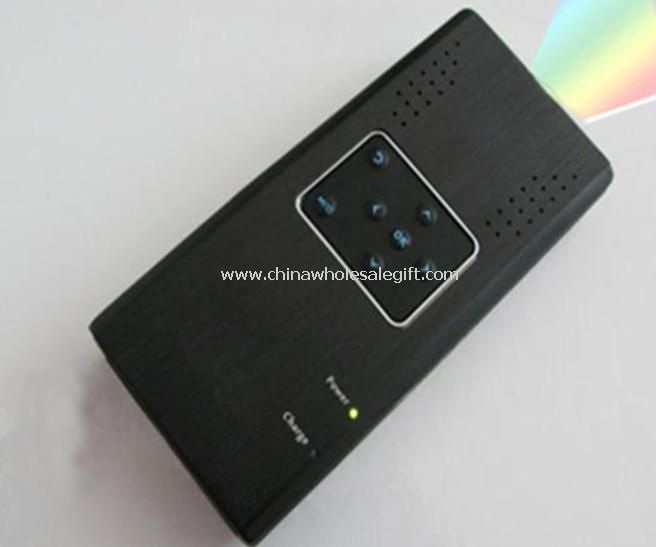
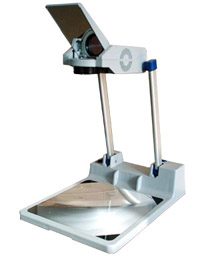
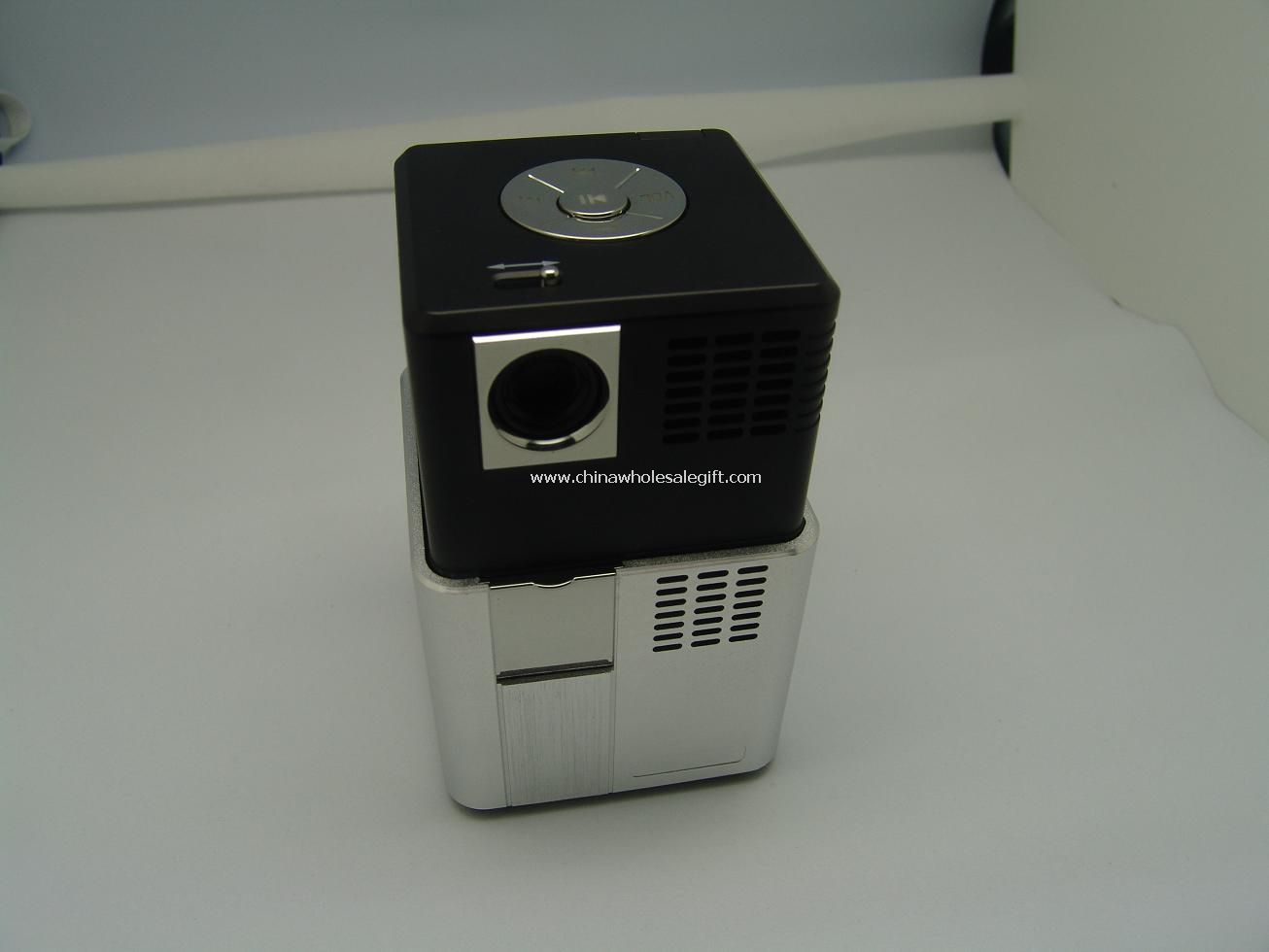
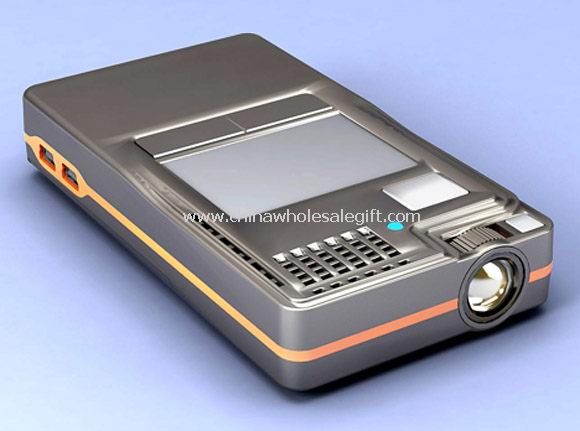
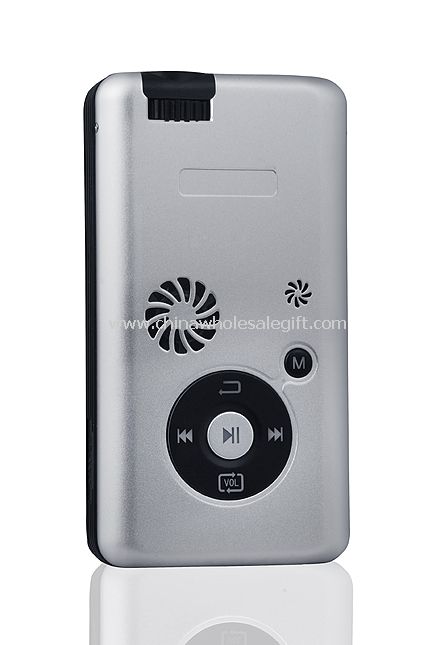
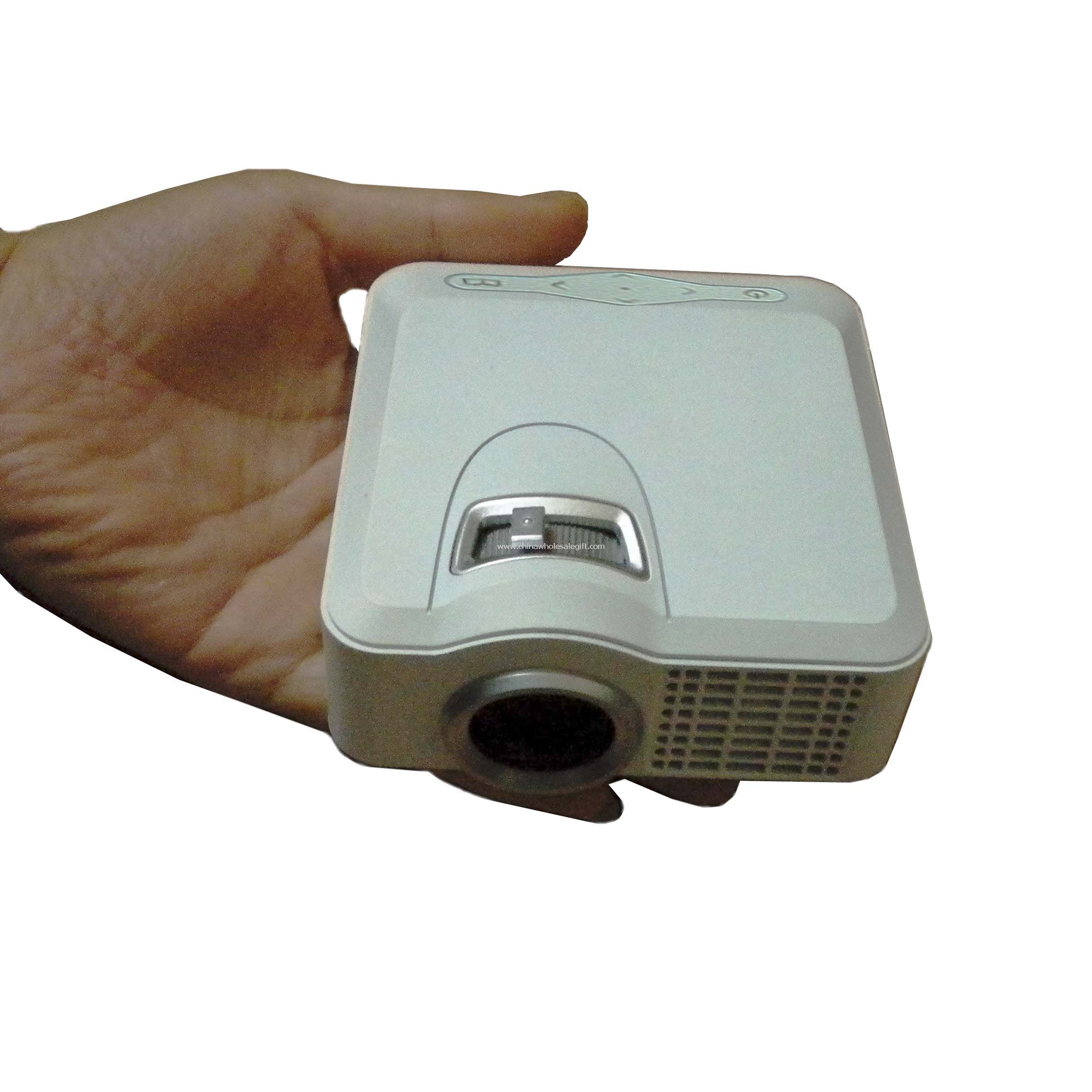
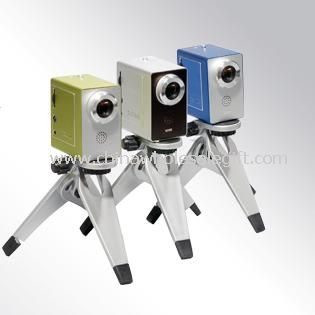
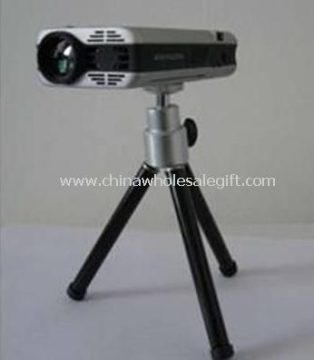
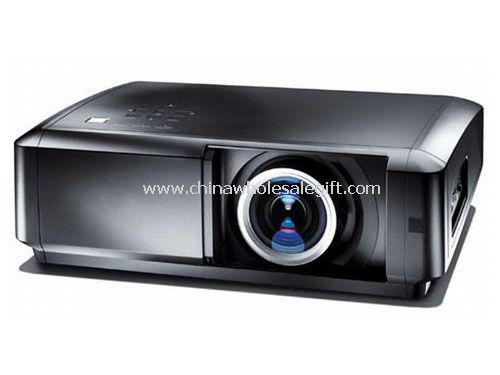
The span is wide. Pocket units slip into a jacket, mini frames sit on a coffee table, home models fill a living room, and business or classroom machines drive brightness for a lit room. Shoppers who reach this heading usually know the effect they want, so the task is to steer them toward the format that matches their space. A projector is often bought as a shared gift or a room upgrade rather than a personal accessory.
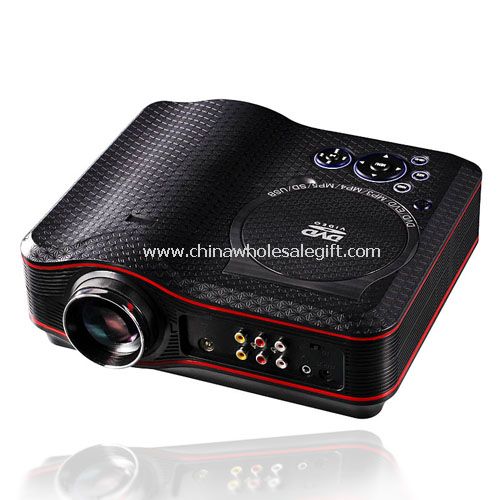
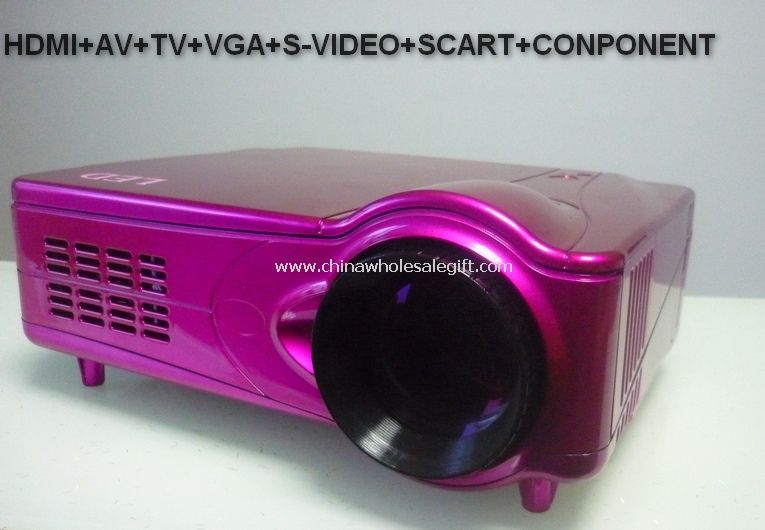
Under the shell, every unit follows a common chain: a light source, an imaging element, a lens, and signal handling. What changes is the balance. Compact models favor low power and quiet running, while larger cabinets chase output and cooling. Ports, speakers, and media playback separate a bare imager from a self-contained cinema system. Shoppers rarely need every feature at once, so a clear signpost toward mini, portable, or home formats saves them from comparing unrelated machines.
Trade buyers take in office-equipment resellers, consumer-electronics importers, education suppliers, and promotional firms stocking a headline gift. End users range from families building a media corner to trainers and event crews who need a screen without a fixed installation.
Selection guidance: match output to the light in the room, check throw distance against the wall, and confirm the connectors the end user already owns. Customization covers housing printing, branded boxes, and bundled accessory kits, and protective packing matters because optics dislike a shock. Cartons are bulky by nature, so a buyer planning a mixed load should model the space early.
15 products