Skype Mouse
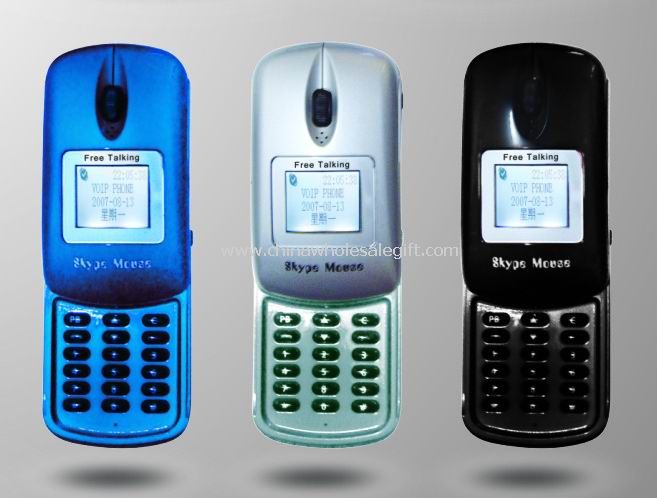
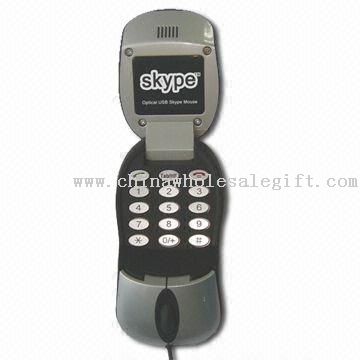
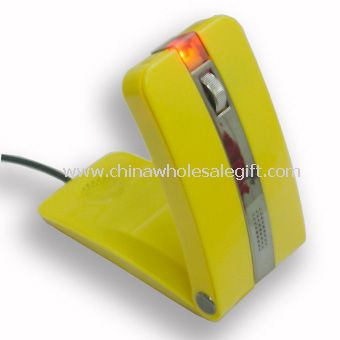
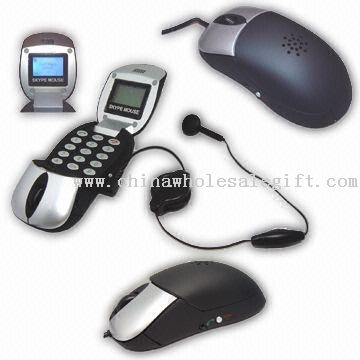
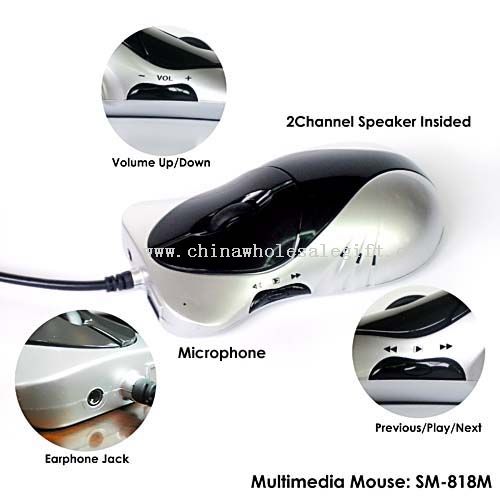
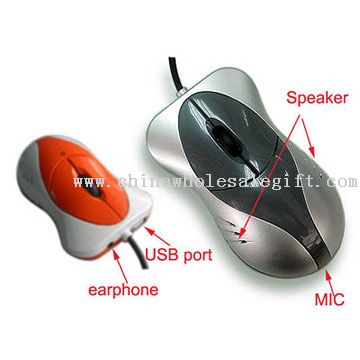
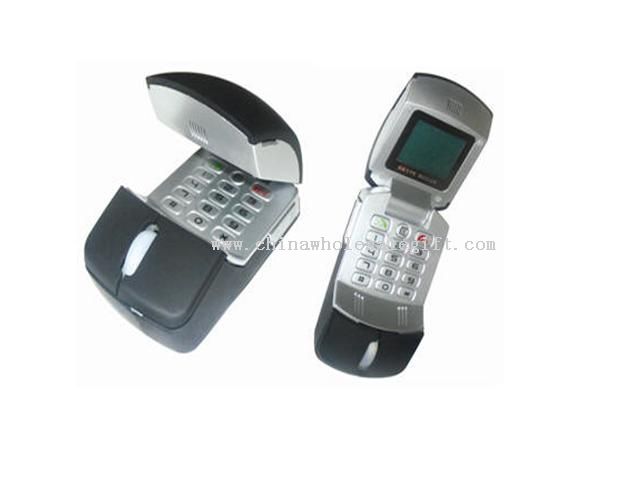
A desk phone and a mouse share the same footprint on a busy workstation, and the Skype Mouse family merges the two into a single handset. Each unit pairs a pointing device with a built-in microphone and earpiece, so a buyer can take a PC-to-PC call without reaching for a headset. The shelf groups seven direct models, including multimedia and optical USB variants, aimed squarely at the mid range of the wholesale market.
When building one, makers start from an optical sensor and mold a handset-style shell around it. The click buttons and scroll wheel sit where a user expects, while the VoIP electronics handle speed dialing through dedicated keys. A USB cord carries both pointer data and voice, which keeps setup simple. Designers trade size and weight against grip comfort, and most units use a plastic housing with a rubberized touch surface.
Importers and promotional suppliers favor this category because it suits gifting programs and office supply catalogs alike. A distributor can pair it with a hub optical mouse line or a wireless optical model to round out an assortment. Volume buyers should inspect microphone clarity, button travel, and cord strain relief before committing to a full run.
End users tend to be remote workers, call-center staff, and small offices running voice chats over the internet. The appeal is fewer devices on the desktop: one hand covers cursor control and conversation. A tele mouse with speed dialing keys lets a receptionist switch between lines quickly. Anyone who spends hours on conference calls appreciates the earpiece sitting beside the palm rather than clamped over the head.
Sourcing checks begin with the plug type and whether the electronics driver works across common operating systems. Ask for samples to test call latency and side-tone, and confirm the shell finish holds up under daily handling. Compare cord length and housing color options across the seven models, since gift buyers often want a neutral finish that fits any desk.
7 products
Featured Products