Slim keyboard
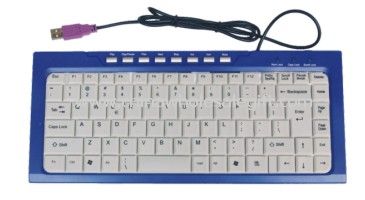
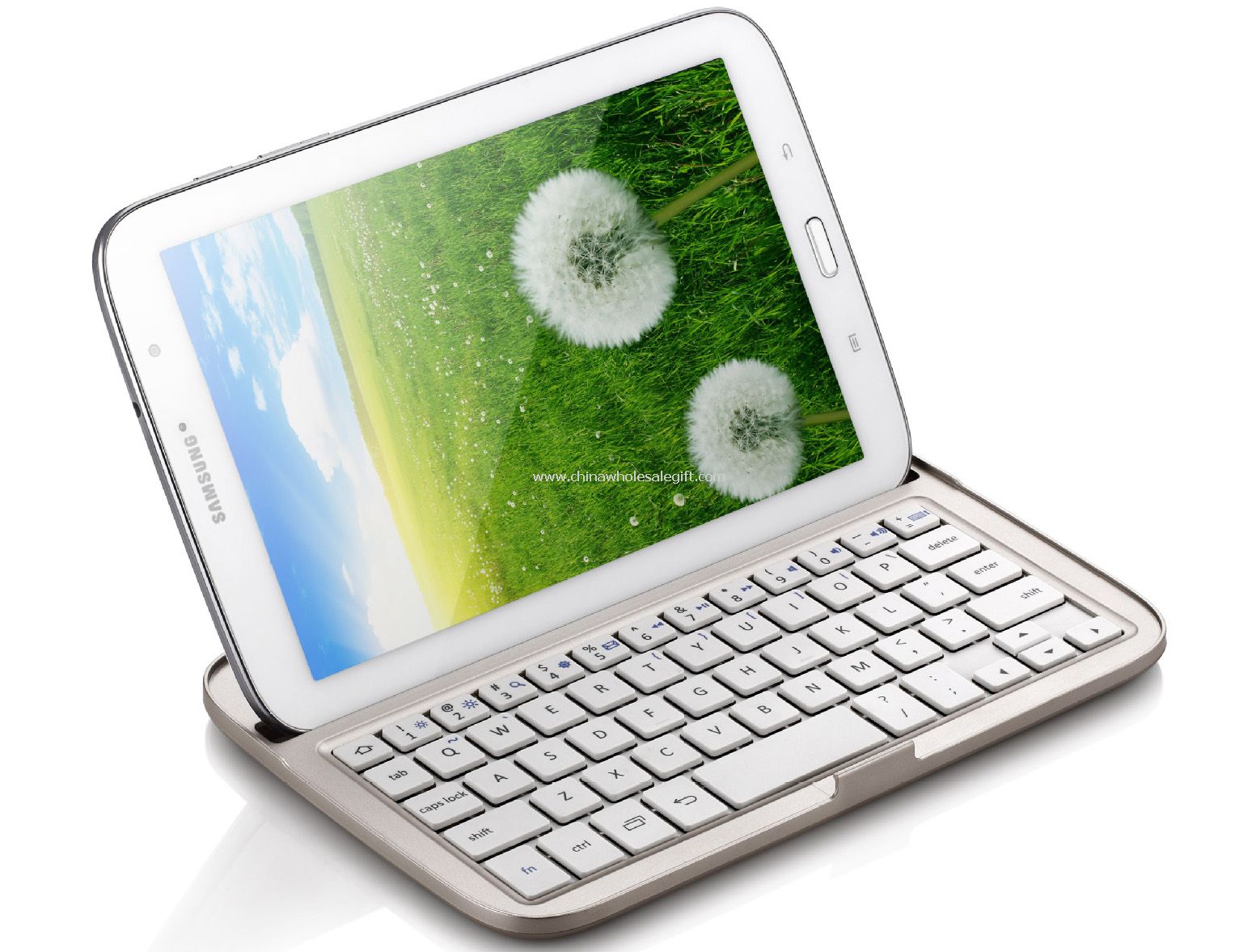
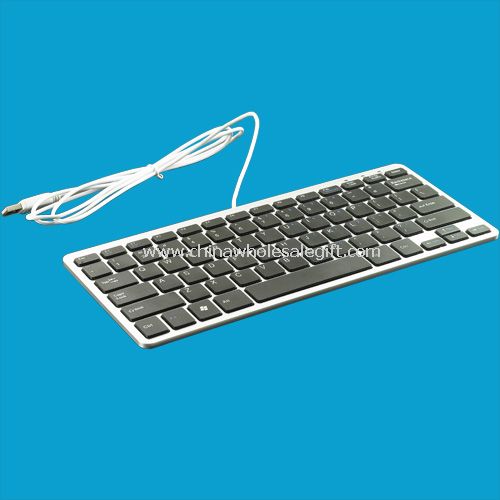
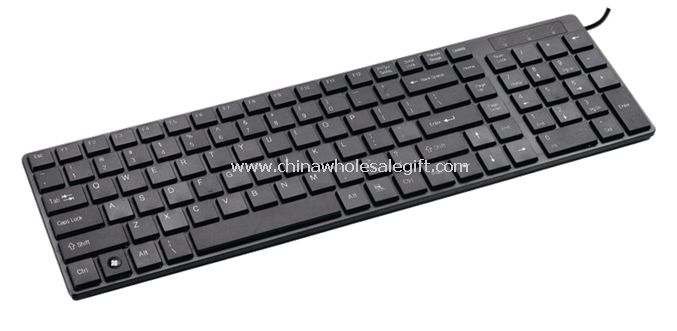
A slim keyboard takes the wasted depth out of the desk, trading the tall profile of a standard keyboard for a low, flat deck that leaves more room for a mouse, a notepad, or a second screen. On a crowded promotional desk or a packed warehouse bench, that few centimeters of saved space changes how the whole workstation organizes.
These boards sit in the mid range of the keyboard shelf, stocked alongside an ultra slim keyboard variant that shares the same low-profile approach. Construction favors short-travel keys set into a shallow chassis, so the deck stays close to the work surface. Buyers inspecting samples should press every key row, check that the case does not flex under firm typing, and confirm the feet grip a smooth surface.
Promotional suppliers and distributors choose this family because a thin board fits neatly into branded merchandise collections and ships in flatter packaging than a full-height unit. Importers building a keyboard range can pair it with a wireless combo, a mini keypad, or a keyboard cover without the assortment feeling mismatched. Ordering in volume, buyers compare chassis materials, key finish, and cable length before committing.
End users get a board that suits compact desks at home, shared office benches, and point-of-sale counters where space is tight. The low travel feels quiet and quick for long stretches of typing, and the shallow body slides into a laptop bag for traveling staff. Anyone who prefers a pronounced keystroke should test one first, since the feel differs from a tall mechanical deck.
For sourcing, request working samples across the color options, verify that legend printing survives repeated wiping, and check how the feet hold under angled use. Confirm the packaging protects corners in transit and that the board pairs cleanly with the computers your customers use. Reviewing these points separates a reliable mid-range pick from a fragile one.
4 products