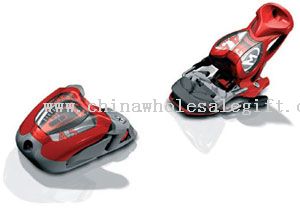
Snowboard Bindings
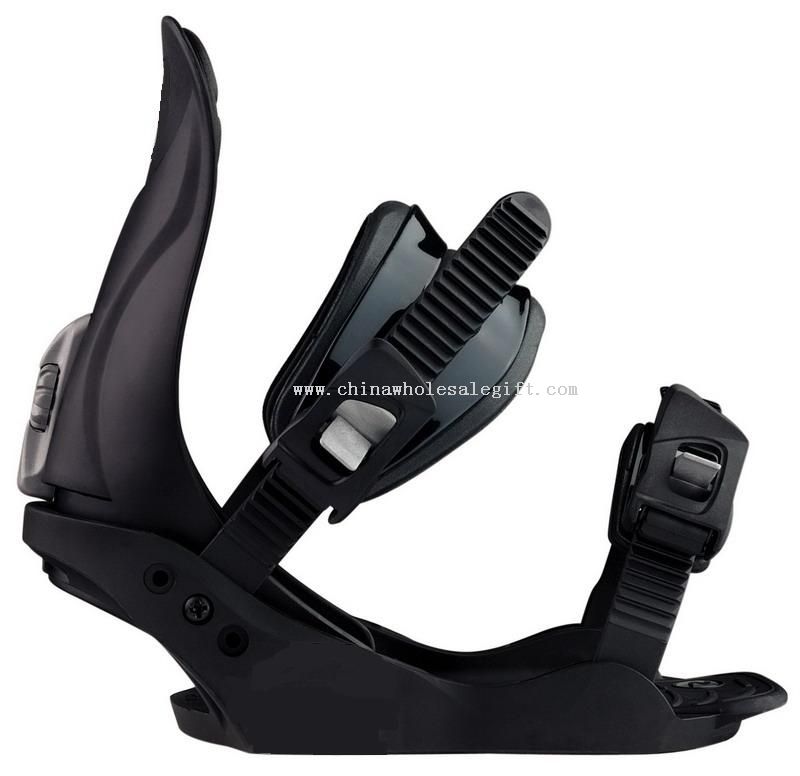
Snowboard bindings are the link between boot and board, the part that turns leg pressure into edge hold and turn shape. This mid range shelf gathers five direct models built for riders who want dependable response without stepping into elite race hardware. Each binding pairs a baseplate, heelcup, and highback with adjustable straps, so fit and flex can be tuned to the board and the riding style.
Construction details matter more than graphics here. Look at how the highback rotates, whether the ankle strap spreads load across the instep, and how the ratchets feel after repeated entry and exit. Tool-free adjustability helps riders fine-tune forward lean and stance width on the hill, and a cushioned baseplate footbed reduces vibration on hardpack and groomed runs.
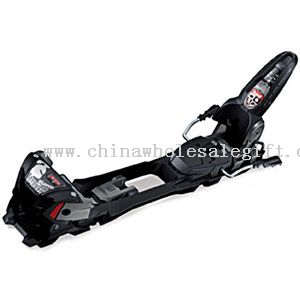
Buyers sourcing for a promotional gifts program favor the mid range band because it balances perceived value against landed cost. Check strap hardware consistency across sizes, confirm that mounting discs suit common insert patterns, and ask for sample pairs to test ratchet release and strap memory. A Marker Baron AT Binding on the same shelf signals a touring-minded shopper, so stocking a binding that suits mixed terrain helps.
End users span resort riders, park regulars, and casual weekend snowboarders who rent rarely and own their setup. They care about easy entry, secure heel hold, and a flex that matches a softer board. Pairings with snowboard equipment such as boots and boards should be considered, and staff should know which models favor freestyle play versus all-mountain control.
Practical sourcing checks include verifying that strap ladders are replaceable, that highbacks return squarely after flex, and that hardware threads engage smoothly. Confirm size runs cover smaller and larger boots, and review packaging for resale appeal. Matching bindings to nearby catalog lines like snowboard bags and helmets lets buyers present a complete winter kit to distributors and retail accounts.
5 products