Solar road studs
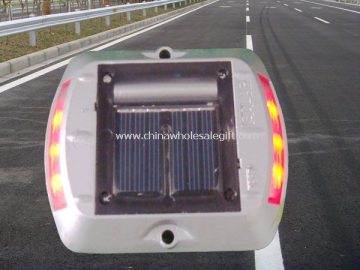
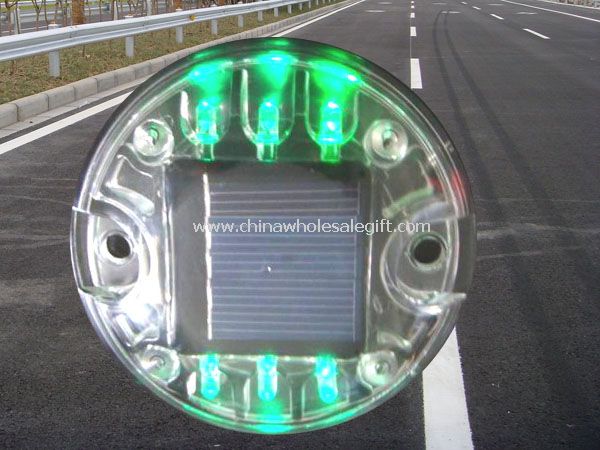
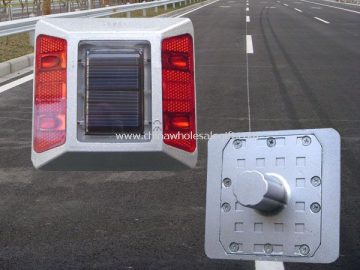
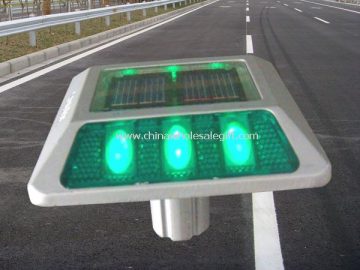
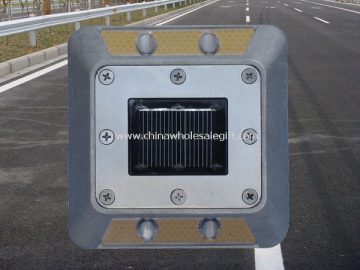
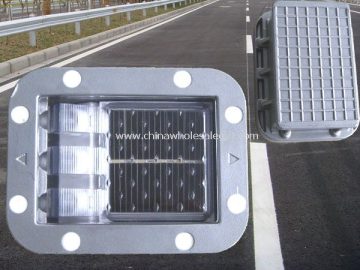
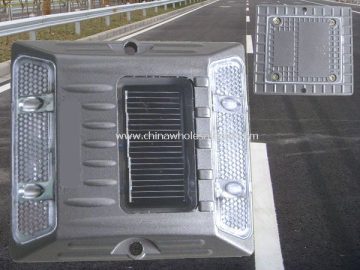
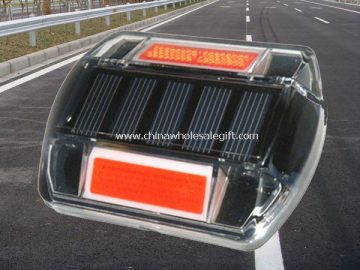
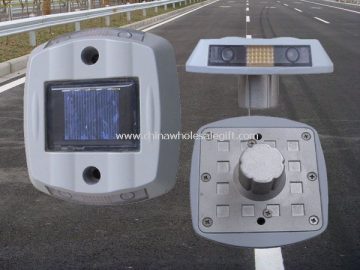
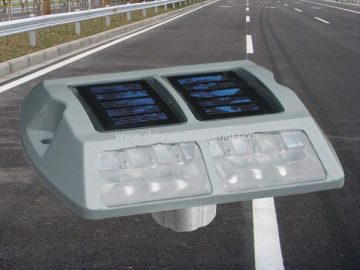
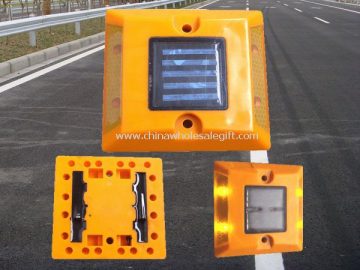
Solar road studs mark driveway edges, parking lot lanes, and temporary work zones with small raised housings that store daylight and release it after dark. Each unit combines a photovoltaic cell, a rechargeable cell, and one or more light-emitting diodes behind a colored lens, all seated in a body built to take vehicle weight and weather. The shelf holds twenty-one direct items, all mid range.
Construction favors die-cast aluminum or tough polycarbonate, with a textured top and sloped flanks so tires roll over rather than catch. Buyers should confirm the lens is sealed against water and dust, that the housing resists impact, and that the light pattern stays visible from a shallow approach angle. A stud that sits too tall can be scraped off by plow blades or damaged by delivery trucks.
Two groups of shoppers meet here. Distributors and promotional suppliers stock the family for resale or for branded fleet and facility programs, often pairing it with a solar flashlight or solar charger on the same order. End users include property managers, campground operators, and homeowners lighting a long gravel drive where trenching power cable is impractical.
Practical sourcing checks start with the cell and battery capacity, since runtime through short winter days depends on both. Ask how the lens is bonded to the body and whether the unit switches on automatically at dusk. Request samples, test them on a sloped surface, and weigh the housing by hand, because a heavier body usually means more material at the edges.
The surrounding catalog covers solar lighting system kits, flexible solar panel sheets, and a solar keychain, so a buyer can assemble a complete off-grid selection from one source. Order color finishes consistently across reorders, keep spare units for replacements, and confirm that packaging survives bulk shipping. Simple, durable, weatherproof markers remain the practical choice where wiring costs more than the hardware.
21 products · page 1 of 2