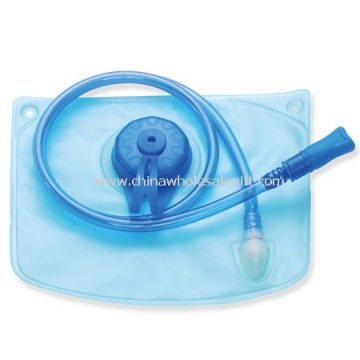
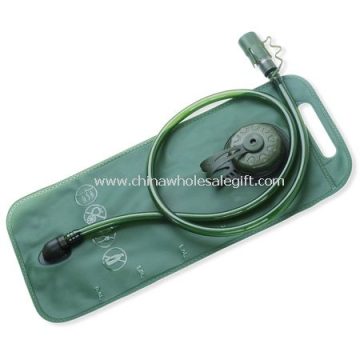
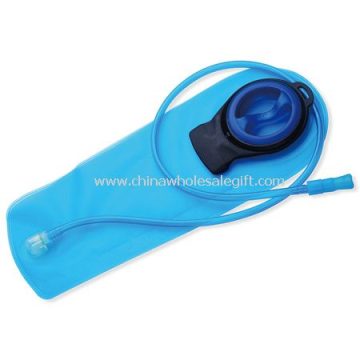
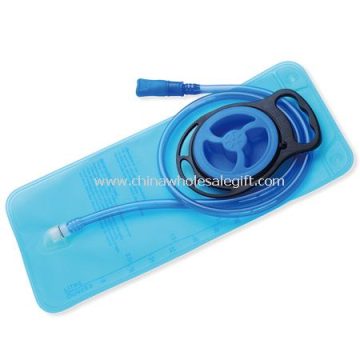
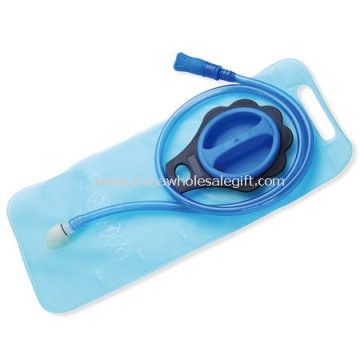
Sports bladder
Runners, hikers, and gym regulars reach for a sports bladder when a rigid bottle is too bulky for the trail or the treadmill. These flexible reservoirs sit inside a backpack sleeve or waist belt and let the wearer drink through a tube without breaking stride. The family covers a compact range of five direct items, each built around the same core idea of hands-free hydration on the move.
Construction centers on a food-grade inner liner sealed to a wide-mouth opening, with a bite valve and flexible drink tube completing the assembly. The plastic sports bladder variants here differ mainly in cap style, tube routing, and seam placement. Buyers should inspect wall thickness, valve shutoff action, and how cleanly the reservoir empties when squeezed.
Sourcing checks matter more than shelf appeal in this niche. A wholesale buyer will want to confirm the weld quality along the perimeter, test that the tube fits standard pack clips, and review how the bladder behaves when filled to capacity and folded. Because the plastic sports bladder sub-type dominates this shelf, ask suppliers for liner material details and cap threading consistency across the run.
The people who actually use these reservoirs are predictable: distance runners, cyclists, day hikers, and gym members who prefer sipping from a tube over unscrewing a cap. Promotional suppliers favor them for outdoor events and fitness campaigns, where a printed bladder adds utility to a branded pack. Distributors serving outdoor retailers and sports clubs form the steady repeat base.
Merchandising works best when this shelf sits close to storage bottle and storage container lines, since buyers often assemble complete hydration kits for a season. Consider pairing a sports bladder with a storage rack display so customers can see pack fit at a glance. Mid-range positioning makes the category approachable for both volume orders and single-unit retail.
5 products