Stepper
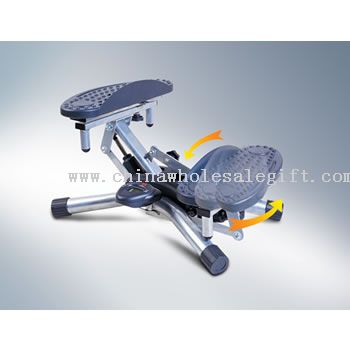
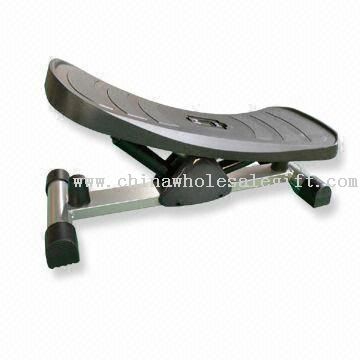
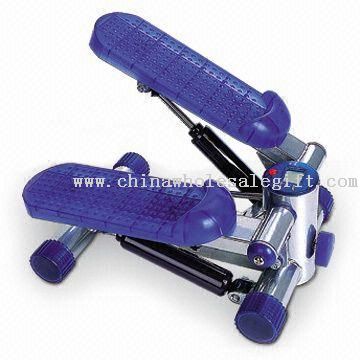
A stepper turns a small patch of floor into a low-impact cardio station, and the twenty models on this shelf show how varied that format can be. Some units rely on a simple up-and-down stride, while a twist stepper adds a side-to-side pivot that brings the obliques into the movement. All of them share a compact footprint that suits a home office, a hotel room, or a corner of a gym floor.
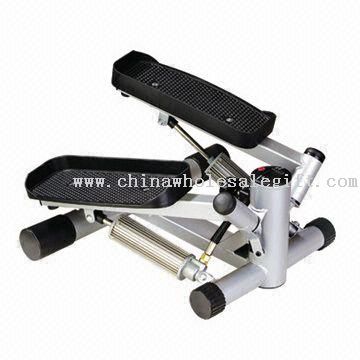
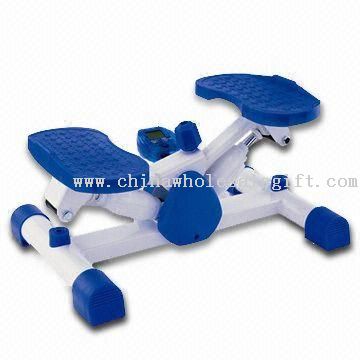
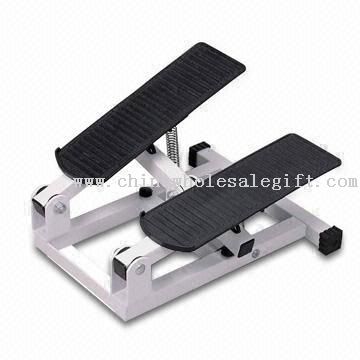
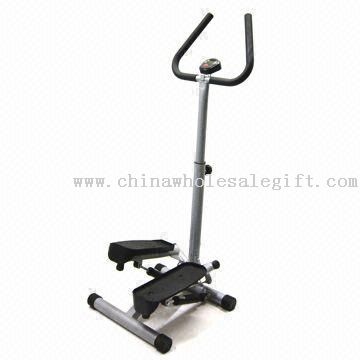
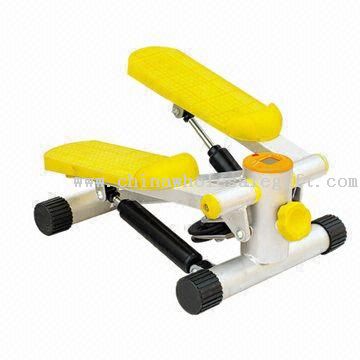
Construction centers on a steel frame, two pedals, and either hydraulic cylinders or a resistance linkage that sets the effort level. Handlebars, where fitted, add upper-body engagement and steadier balance for beginners. Buyers should confirm pedal size, the maximum user weight the frame is rated for, and whether resistance is fixed or adjustable, since those details decide which users the machine suits.
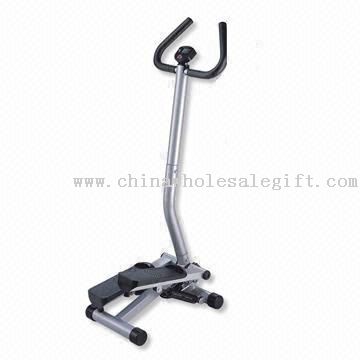
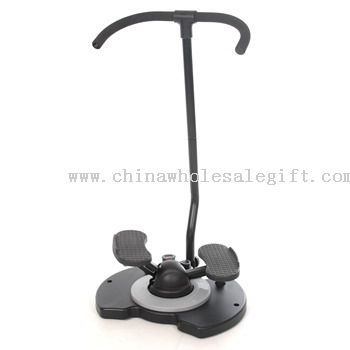
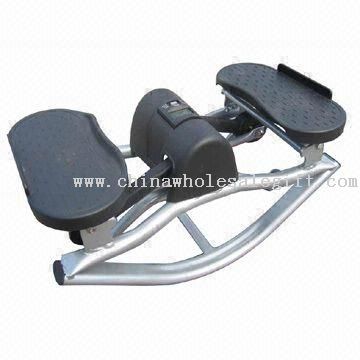
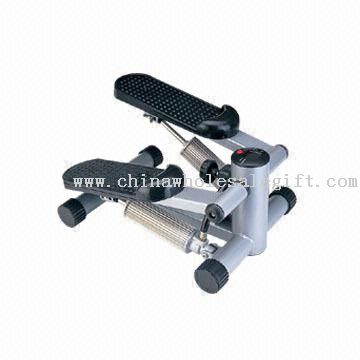
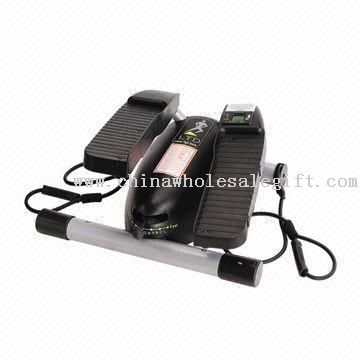
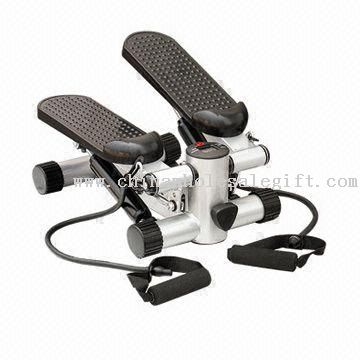
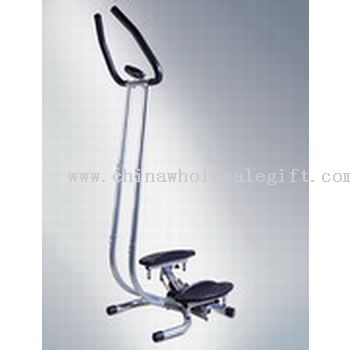
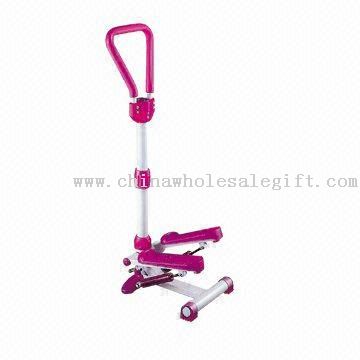
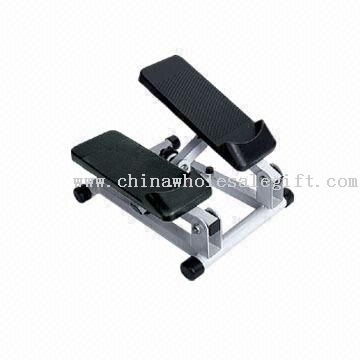
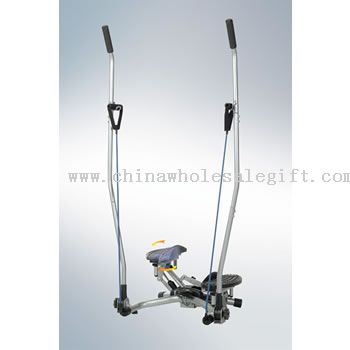
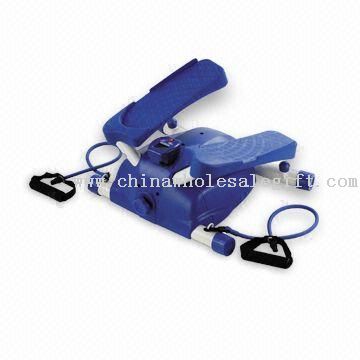
The lineup covers mini stepper units for desk-side movement, a ski stepper with handlebar for a longer stride, and a swing and durable stepper built for heavier daily use. A mini stepper with handlebar bridges the two, giving newcomers something to hold. Wholesale buyers can build a rounded assortment from these variations without stocking several unrelated machines.
Sourcing checks matter more than the style name. Ask for the load rating, pedal grip material, and cylinder type, then request a sample to test noise and stability underfoot. Packaging weight and carton dimensions drive freight cost on a compact item, so confirm them early. Spare pedals and cylinders are worth listing as add-ons for repeat business.
End users tend to be desk workers, older adults returning to exercise, and travelers who want a workout without a gym visit. Retailers pair steppers with a bike, walker, bench, or boxing gear to cover a full home-fitness offer. Display a working unit where shoppers can feel the stride, and keep instructions visible so the first session feels simple.
20 products · page 1 of 2
Featured Products
Popular Products