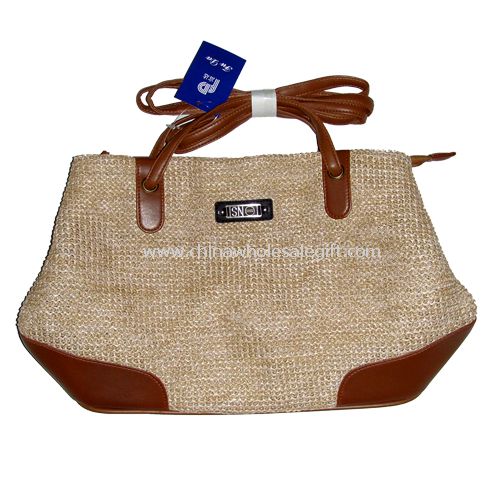
Straw bags
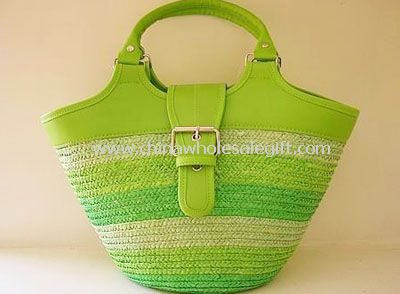
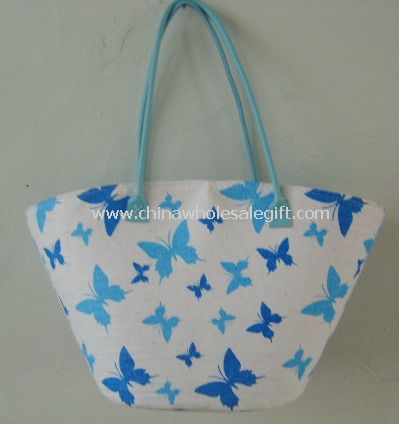
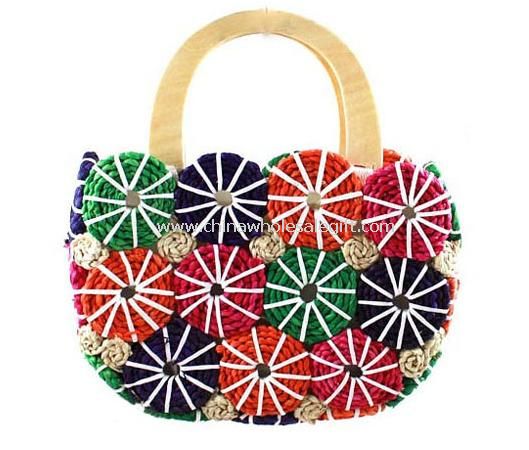
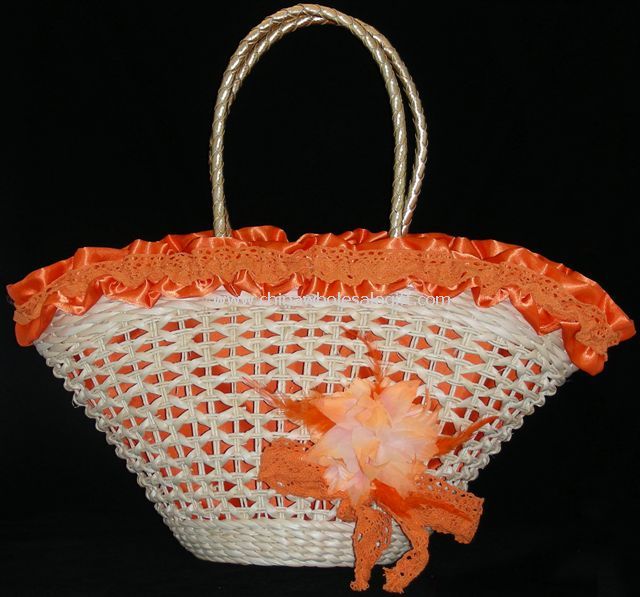
A straw bag turns a practical carry into a seasonal statement, whether it hangs from a market stall hook or sits on a resort boutique shelf. This shelf gathers five direct styles, from an artifical straw bag to a wheat straw bag and a paper straw tote bag, each built around woven fiber and a relaxed, sand-and-sunlight character that buyers can place beside leathern gift set and notecase lines.
Construction follows the fiber. Woven strands are shaped over a form, joined at the rim, and finished with handles, linings, or drawstring closures depending on the silhouette. The straw hand bag family favors open totes and structured baskets, while lighter paper and wheat weaves suit shoppers who want a softer drape. Buyers should check weave density, handle attachment points, and seam reinforcement before committing.
Wholesale buyers treat straw bags as a warm-weather seasonal category with strong gift appeal. Promotional suppliers pair them with cosmetic bag or shopping bag assortments for spring campaigns, and distributors stock them alongside leisure bag and backpack ranges for travel retail. Sourcing checks matter: confirm fiber type on the label, inspect color consistency across a carton, and test handle load with a filled bag.
End users reach for these bags on beach days, at farmers markets, and for weekend travel, where a roomy tote holds a towel, a water bottle, and a paperback. The natural texture pairs well with linen and cotton, and many shoppers treat a straw bag as an accessory rather than a utility item, rotating colors to match a summer wardrobe or a casual lunch outfit.
Merchandising works best when the shelf reads as one coherent story: group by weave and silhouette, keep the artifical and wheat styles visible together, and let texture do the selling. Display a straw hand bag beside a filled example so buyers see capacity, and cross-merchandise with notecase or key bag add-ons to lift basket size without crowding the presentation.
5 products